
Seattle Washington
Renters Insurance
Renters insurance protects personal liability and medical bills for your guests who have been injured under your property. This policy is designed for tenants and provides coverage for their personal property against break-ins, storms, or damage caused by specified events included in the policy
Renters Insurance Benefits & Coverage
Personal Property
Almost everything you own can be covered under renters insurance in the event of unexpected damage or theft.
Liability Coverage
This coverage may cover your medical expenses and any damage caused to another person's property. It may also cover legal costs and defense expenses. The typical policy will offer $100,000 in liability coverage, which is plenty for most renters. However, if you have significant assets and own a car, you might consider getting a higher liability limit.
Additional Living Expenses (ALE Coverage)
ALE coverage covers expenses like eating out if you don't have a kitchen. However, ALE coverage won't cover your entire bill. Your insurance company will only cover reasonable expenses and not replace your dwelling.
Washington Earthquake & Flood Insurance Services
Many factors contribute to the cost of renters' insurance. First, your location can affect your monthly premium as well. Areas with high crime rates and natural disasters will increase your premium. Different types of rental homes have different risks, so you should choose the policy based on the type of home you have.
Another factor is your credit score, this score is calculated by taking information from your credit report. Historical data suggests a correlation between credit score and insurance risk. A higher credit score means lower premiums. Security systems also contributed to the cost of your premiums. If your apartment is well-protected with a monitored security system, you may be able to get a lower premium.
The cost of a renter's insurance depends on the amount of coverage you need and the location of the property. You can choose to have a higher deductible, lower premiums, or both, depending on your budget. In the end, getting a policy is a worthwhile investment because it gives you peace of mind
Renters Insurance Explained
People who rent an apartment, condo, townhome, or other places of residence, should prioritize getting renters insurance. Extra living expenses along with the hotel bills and meals are also covered under the policy if a fire or other catastrophic events requires you to move.
If you are renting a property, you should have insurance to protect your belongings in case of damage. Renters insurance or tenants' insurance, gives you certain benefits similar to homeowner's insurance. However, it does not cover the entire building or dwelling. It does, however, cover damage to the structure and alterations to it.
This policy protects your possessions from loss or damage in case of a fire, theft, or another disaster. It pays for your daily living expenses if you have to stay at a hotel while repairs are made.
Moreover, it protects you against liability claims and injuries to your visitors. It may be best to acquire this type of coverage as they are required often by landlords.
Besides, it also covers your valuables in case of damage or theft. In most cases, it covers the value of your possessions minus depreciation. However, you can also purchase an optional coverage called scheduled personal property endorsement.
Read more about our agency here. This coverage will require a professional appraisal and may cost you extra money. Before thinking of buying additional coverage assess yourself if you need one.
Flood Insurance Experts
Flood Insurance Experts

Benefits Of Buying Renters Insurance
Before buying renters' insurance, make sure to review your policy to determine what is covered. Your basic policy may only cover the cost of replacing an item up to the current cash value, minus depreciation. In addition, you should take pictures of your valuables.
Apart from these basics, you may save a lot of money on medical bills since renters insurance usually covers bodily injury liability. Your policy also covers any loss caused by loose electrical cords or loose wiring. It is also possible to increase your property coverage limit with a higher premium. You can also opt for supplementary coverages, including damage to building additions.
Personal property coverage is the most simple to understand. In case your home is damaged, renters insurance steps in and pays for your expenses. It also reimburses you for the cost of replacement items. In case of a natural disaster, your coverage can cover your temporary living expenses, including food and laundry. Moreover, it pays for any legal fees for an injured tenant.
Insurance is important as your investment, for most people because it offers peace of mind. It not just protects you but also your assets.

Washington State, Earthquake & Flood Insurance Trusted Provider
Do you have any questions/concerns?
We work with multiple carriers for your convenience.
News & Blogs
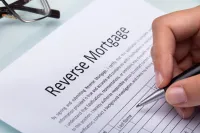
Can't Afford Home Repairs in Retirement? Boise Reverse Mortgage Options
A damaged roof, failing heating system, plumbing problem, or deteriorating home structure can quickly become a serious financial concern.
For retirees, these repairs may be particularly difficult to manage because they often require substantial upfront expenses.
You may have spent decades maintaining your home, but an unexpected repair can create an immediate financial challenge. If your retirement income is limited, paying for necessary improvements may require withdrawing savings, borrowing money, or delaying other expenses.

Unfortunately, postponing essential repairs can create additional damage and potentially make your home less comfortable or safe.
If you own a home in Boise or the surrounding Treasure Valley, exploring available home equity options may help you understand whether additional financing is accessible.
Reverse Mortgage Boise offers HECM and proprietary reverse mortgage guidance, including discussions about using home equity for home improvements and maintaining a property.
Why Necessary Home Repairs Become Difficult During Retirement
Home maintenance expenses can be unpredictable.
Some repairs can be postponed temporarily, while others may require immediate attention to prevent further damage.
Examples include:
Roof leaks that may damage ceilings, insulation, and interior structures.
Plumbing problems that can affect water supply and surrounding building materials.
Heating and cooling system failures that make the home uncomfortable.
Electrical problems requiring professional inspection and repair.
Accessibility modifications needed to support aging in place.
The challenge is that retirement income may not provide enough flexibility to absorb a large unexpected expense.
A homeowner may have considerable property equity but insufficient available cash to pay a contractor.
In these situations, reviewing different financing arrangements may help identify an appropriate approach.
Could a HECM Reverse Mortgage Help Pay for Home Improvements?
An FHA-insured Home Equity Conversion Mortgage allows qualifying homeowners to access a portion of their accumulated home equity.
For eligible borrowers, the proceeds may be used for general expenses, including qualifying home improvements and maintenance.
Depending on the borrower's circumstances, funds may be available through different distribution methods:
Lump-sum proceeds: An initial disbursement may help address a substantial repair, subject to applicable HECM restrictions.
Monthly payments: Scheduled payments may provide additional cash flow for homeowners managing several expenses.
Line of credit: Available funds may be drawn when necessary, subject to the loan's terms and remaining credit availability.
Combined arrangements: Certain borrowers may benefit from combining payment methods to address both immediate and future needs.
However, borrowers should understand that the reverse mortgage balance increases over time as interest and fees accumulate.
The homeowner must also maintain the property and remain current on property taxes and homeowners insurance.
A reverse mortgage is financing, not a grant or free home improvement program.
Compare Three Ways to Finance Essential Home Repairs
Before using home equity, consider whether another financing strategy may better fit your needs.
1. Personal savings and emergency reserves
Using available savings may avoid borrowing costs and interest accumulation. However, homeowners should consider whether spending these funds could leave insufficient resources for healthcare or other emergencies.
2. Traditional home improvement financing
Personal loans and home equity loans may provide funding for repairs. These products generally involve scheduled repayment and may require sufficient income and credit qualifications.
3. Reverse mortgage financing
Eligible homeowners may be able to use HECM proceeds to pay for repairs without required monthly principal and interest payments.
The right approach depends on the repair's urgency, total cost, available income, existing debts, and long-term retirement plans.
Can a Reverse Mortgage Help You Age in Place?
Many retirees want to remain in the homes where they have spent years building memories.
However, maintaining a home over time may require modifications that make daily activities more manageable.
Potential improvements may include:
Installing accessible bathroom features.
Improving entrances and walkways.
Modifying doorways and interior layouts.
Repairing flooring and other household features.
Addressing necessary structural maintenance.
Reverse Mortgage Boise highlights home improvement and maintaining the home as potential uses of reverse mortgage proceeds.
A customized estimate can help homeowners examine whether their available equity may support these expenses.
It is equally important to evaluate future maintenance requirements and ongoing housing costs before proceeding.
Explore Reverse Mortgage Options in Boise and the Treasure Valley
If you are postponing necessary home repairs because of limited retirement funds, it may be time to evaluate your financial position.
Reverse Mortgage Boise offers customized estimates, HECM guidance, proprietary reverse mortgage comparisons, and assistance throughout the application process.
Its service area includes Boise, Meridian, Eagle, Nampa, Caldwell, Kuna, Star, Middleton, and additional Idaho communities.
A consultation can help you understand potential proceeds, fees, property requirements, and the long-term implications of borrowing against your home.
Don't Let Necessary Home Repairs Become a Larger Financial Burden
Delaying essential repairs can create additional complications for homeowners, particularly when the property is their primary residence.
If you have significant home equity but limited retirement cash flow, exploring reverse mortgage options may help you determine whether financing is available for your situation.
Contact Reverse Mortgage Boise through its website to discuss HECM financing, home improvement funding, and customized reverse mortgage estimates.
Disclaimer: This article provides general financial information only and should not be construed as professional financial, legal, tax, or mortgage advice. Reverse mortgage eligibility, costs, and benefits depend on individual circumstances. Always consult with qualified financial, legal, tax, and mortgage professionals before making a financial decision.
Affordable Insurance With Personal Service - Local Agents & Brokers
All Rights Reserved | Washington Earthquake & Flood Insurance
Privacy Policy | Disclaimer Terms & Conditions
Contact Us


