Seattle Washington
Renters Insurance
Renters insurance protects personal liability and medical bills for your guests who have been injured under your property. This policy is designed for tenants and provides coverage for their personal property against break-ins, storms, or damage caused by specified events included in the policy
Renters Insurance Benefits & Coverage
Personal Property
Almost everything you own can be covered under renters insurance in the event of unexpected damage or theft.
Liability Coverage
This coverage may cover your medical expenses and any damage caused to another person's property. It may also cover legal costs and defense expenses. The typical policy will offer $100,000 in liability coverage, which is plenty for most renters. However, if you have significant assets and own a car, you might consider getting a higher liability limit.
Additional Living Expenses (ALE Coverage)
ALE coverage covers expenses like eating out if you don't have a kitchen. However, ALE coverage won't cover your entire bill. Your insurance company will only cover reasonable expenses and not replace your dwelling.
Washington Earthquake & Flood Insurance Services
Many factors contribute to the cost of renters' insurance. First, your location can affect your monthly premium as well. Areas with high crime rates and natural disasters will increase your premium. Different types of rental homes have different risks, so you should choose the policy based on the type of home you have.
Another factor is your credit score, this score is calculated by taking information from your credit report. Historical data suggests a correlation between credit score and insurance risk. A higher credit score means lower premiums. Security systems also contributed to the cost of your premiums. If your apartment is well-protected with a monitored security system, you may be able to get a lower premium.
The cost of a renter's insurance depends on the amount of coverage you need and the location of the property. You can choose to have a higher deductible, lower premiums, or both, depending on your budget. In the end, getting a policy is a worthwhile investment because it gives you peace of mind
Renters Insurance Explained
People who rent an apartment, condo, townhome, or other places of residence, should prioritize getting renters insurance. Extra living expenses along with the hotel bills and meals are also covered under the policy if a fire or other catastrophic events requires you to move.
If you are renting a property, you should have insurance to protect your belongings in case of damage. Renters insurance or tenants' insurance, gives you certain benefits similar to homeowner's insurance. However, it does not cover the entire building or dwelling. It does, however, cover damage to the structure and alterations to it.
This policy protects your possessions from loss or damage in case of a fire, theft, or another disaster. It pays for your daily living expenses if you have to stay at a hotel while repairs are made.
Moreover, it protects you against liability claims and injuries to your visitors. It may be best to acquire this type of coverage as they are required often by landlords.
Besides, it also covers your valuables in case of damage or theft. In most cases, it covers the value of your possessions minus depreciation. However, you can also purchase an optional coverage called scheduled personal property endorsement.
Read more about our agency here. This coverage will require a professional appraisal and may cost you extra money. Before thinking of buying additional coverage assess yourself if you need one.
Flood Insurance Experts
Flood Insurance Experts
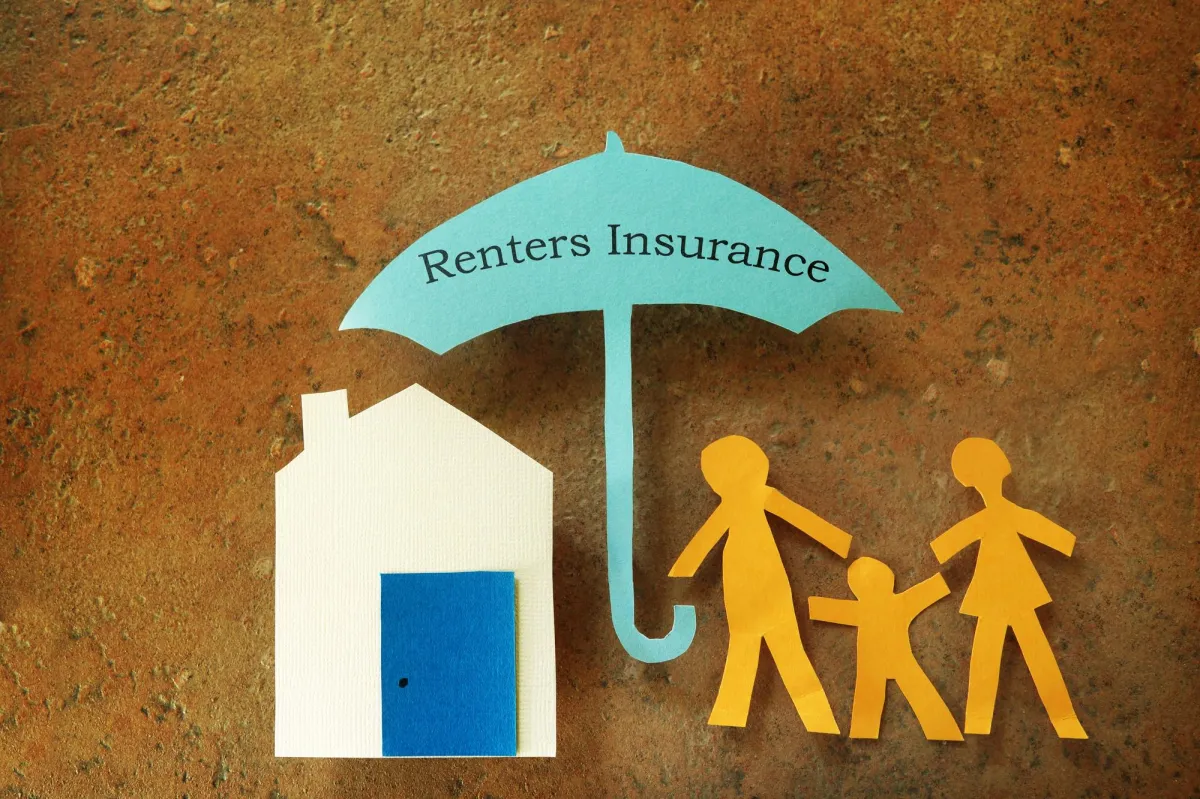
Benefits Of Buying Renters Insurance
Before buying renters' insurance, make sure to review your policy to determine what is covered. Your basic policy may only cover the cost of replacing an item up to the current cash value, minus depreciation. In addition, you should take pictures of your valuables.
Apart from these basics, you may save a lot of money on medical bills since renters insurance usually covers bodily injury liability. Your policy also covers any loss caused by loose electrical cords or loose wiring. It is also possible to increase your property coverage limit with a higher premium. You can also opt for supplementary coverages, including damage to building additions.
Personal property coverage is the most simple to understand. In case your home is damaged, renters insurance steps in and pays for your expenses. It also reimburses you for the cost of replacement items. In case of a natural disaster, your coverage can cover your temporary living expenses, including food and laundry. Moreover, it pays for any legal fees for an injured tenant.
Insurance is important as your investment, for most people because it offers peace of mind. It not just protects you but also your assets.

Washington State, Earthquake & Flood Insurance Trusted Provider
Do you have any questions/concerns?
We work with multiple carriers for your convenience.
News & Blogs

Knocked-Out Tooth in Panama City, FL? Get Immediate Dental Help
What to Do in the First Few Minutes After Losing a Tooth
A tooth can be knocked out during a sports activity, a fall, a vehicle accident, or an unexpected impact to the face. If this happens in Panama City, Florida, it is important to act quickly—especially when the missing tooth is a permanent adult tooth.
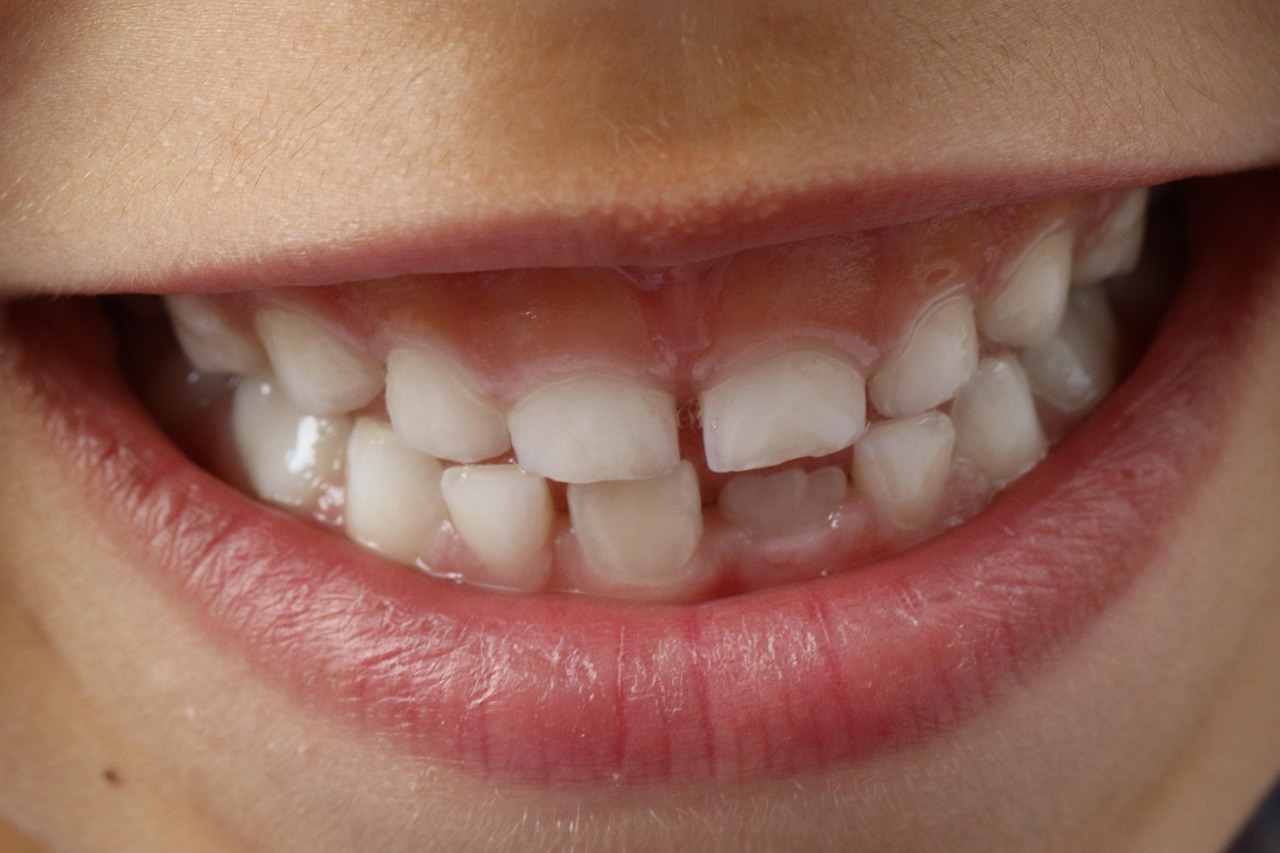
A completely knocked-out permanent tooth is a dental emergency. Prompt assessment may improve the chance of saving it, but the outcome depends on factors such as the injury, how the tooth is handled, and how quickly treatment begins. The American Association of Endodontists advises seeking dental care immediately, ideally within about 30 minutes. https://www.aae.org/patients/dental-symptoms/knocked-out-teeth/
Take these steps while arranging urgent care:
Find the tooth: Handle it carefully and avoid touching the root.
Hold it by the crown: The crown is the visible white part of the tooth.
Rinse gently if needed: If the tooth is dirty, gently rinse it with milk or saline if available. Do not scrub it or use disinfectants.
Keep it moist: If you cannot safely place it back in its socket, store it in milk or an appropriate tooth-preservation solution while seeking help.
Contact a dental provider immediately: Tell them a permanent tooth has been knocked out and explain when the injury happened.
If you are comfortable doing so and the tooth is a permanent tooth, some dental first-aid guidance recommends gently placing it back into its socket without touching the root. Do not force it into place. If the tooth is a baby tooth, do not attempt to reinsert it because doing so may harm the developing permanent tooth. https://www.mouthhealthy.org/dental-care/dental-emergencies
Do not wait for pain to develop before seeking care. Do not postpone treatment while waiting for a connection service's operating hours; go directly to an available dentist or emergency facility. If there is a serious head or facial injury, loss of consciousness, difficulty breathing or swallowing, or uncontrolled bleeding, seek emergency medical care immediately.
How to Handle and Transport the Tooth Safely
The way you handle a knocked-out tooth can affect whether it can be replanted. The root surface contains delicate tissues that are important for successful reattachment, so avoid touching, rubbing, scraping, or drying the root.
If the tooth cannot be placed back into the socket safely, keep it moist while traveling to urgent dental care. Milk or a tooth-preservation solution may be suitable options. Saliva may also be used in certain circumstances, but keeping a loose tooth inside the mouth can create a choking risk, particularly for young children or anyone who is not fully alert.
Avoid storing the tooth in a tissue or allowing it to dry out. Do not use household cleaners, alcohol, peroxide, or other chemicals to clean it.
If you are helping a child, first determine whether the tooth is a baby tooth or a permanent tooth if possible. Do not attempt to reinsert a baby tooth. Contact a dental professional promptly for guidance, even if the child appears comfortable.
While arranging care, you can apply gentle pressure with clean gauze to help control bleeding from the injured area. Avoid manipulating the socket or trying to remove fragments embedded in the gums.
When you contact the dental office, provide the time of the injury, whether the tooth is available, how it has been stored, and whether other injuries occurred. These details help the provider understand the urgency and prepare for your arrival.
What Emergency Treatments May Help Save or Replace the Tooth?
Treatment depends on the tooth's condition, the time it has been outside the mouth, and whether the surrounding bone and tissues have been injured. A dentist will examine the area and may recommend imaging to assess the injury.
1. Replanting the tooth
If the permanent tooth is suitable for replantation, a dentist may place it back into its socket. The tooth may then need to be stabilized with a splint attached to nearby teeth. Follow-up visits are important because the tooth's healing and long-term outlook must be monitored. https://www.aae.org/patients/dental-symptoms/traumatic-dental-injuries/
2. Additional treatment for the injured tooth
A replanted tooth may require further treatment depending on its development, the extent of the injury, and how it heals. The dentist may discuss root canal treatment or monitoring for complications. The precise plan varies from patient to patient.
3. Tooth replacement if the original tooth cannot be saved
If the tooth cannot be replanted successfully or is too damaged, a dentist may discuss replacement options. Depending on the person's age, oral health, and the condition of the surrounding tissues, these may include a temporary removable tooth, a dental bridge, or a dental implant at an appropriate stage.
Not every knocked-out tooth can be saved, and replacement treatment may require several appointments. A dentist can explain the available options, expected timing, and costs after evaluating the injury.
Where to Seek Immediate Help in Bay County
When a permanent tooth is knocked out, the priority is immediate dental or medical assessment—not simply finding a convenient appointment later in the day.
EmergencyDentistPanamaCity.com is a connection service that helps callers locate dental providers in Panama City and surrounding communities. Its published connection-line number is (877) 462-0628. The listed hours are Monday through Friday, 10 a.m. to 7 p.m.; Saturday, 10 a.m. to 6 p.m.; and Sunday, closed.
Because a knocked-out permanent tooth is time-sensitive, do not wait until those hours begin if immediate care is needed. Contact a dentist who can see you promptly or go to an emergency facility if appropriate. The connection service does not guarantee appointment availability.
If you are in Panama City Beach, Lynn Haven, Callaway, Springfield, Parker, or elsewhere in Bay County, explain your location when seeking care. Tell the provider that a tooth has been knocked out, give the approximate time of the injury, and ask where you should go immediately.
If you also have a suspected jaw fracture, serious facial injury, difficulty breathing or swallowing, or uncontrolled bleeding, seek emergency medical care rather than relying on a routine dental appointment.
Act Quickly to Give the Tooth the Best Chance
A knocked-out permanent tooth requires immediate attention. Handle it by the crown, keep it moist if it cannot be placed back in its socket, and seek urgent professional care without delay. Avoid trying to treat the injury yourself beyond basic first aid.
For help locating dental providers in Panama City, FL, visit EmergencyDentistPanamaCity.com or call (877) 462-0628 during its published connection-line hours. For this type of injury, however, do not let the service's operating hours delay urgent care.
Fast action cannot guarantee that a tooth will be saved, but careful handling and prompt professional assessment give the dental team the best opportunity to evaluate the injury and recommend the appropriate treatment.
Disclaimer: This article provides general information only and should not be construed as professional medical or dental advice, diagnosis, or treatment. Always consult with a licensed dentist or healthcare provider regarding any dental emergency or medical condition.

Affordable Insurance With Personal Service - Local Agents & Brokers
All Rights Reserved | Washington Earthquake & Flood Insurance
Privacy Policy | Disclaimer Terms & Conditions
Contact Us


