
Seattle Washington
Renters Insurance
Renters insurance protects personal liability and medical bills for your guests who have been injured under your property. This policy is designed for tenants and provides coverage for their personal property against break-ins, storms, or damage caused by specified events included in the policy
Renters Insurance Benefits & Coverage
Personal Property
Almost everything you own can be covered under renters insurance in the event of unexpected damage or theft.
Liability Coverage
This coverage may cover your medical expenses and any damage caused to another person's property. It may also cover legal costs and defense expenses. The typical policy will offer $100,000 in liability coverage, which is plenty for most renters. However, if you have significant assets and own a car, you might consider getting a higher liability limit.
Additional Living Expenses (ALE Coverage)
ALE coverage covers expenses like eating out if you don't have a kitchen. However, ALE coverage won't cover your entire bill. Your insurance company will only cover reasonable expenses and not replace your dwelling.
Washington Earthquake & Flood Insurance Services
Many factors contribute to the cost of renters' insurance. First, your location can affect your monthly premium as well. Areas with high crime rates and natural disasters will increase your premium. Different types of rental homes have different risks, so you should choose the policy based on the type of home you have.
Another factor is your credit score, this score is calculated by taking information from your credit report. Historical data suggests a correlation between credit score and insurance risk. A higher credit score means lower premiums. Security systems also contributed to the cost of your premiums. If your apartment is well-protected with a monitored security system, you may be able to get a lower premium.
The cost of a renter's insurance depends on the amount of coverage you need and the location of the property. You can choose to have a higher deductible, lower premiums, or both, depending on your budget. In the end, getting a policy is a worthwhile investment because it gives you peace of mind
Renters Insurance Explained
People who rent an apartment, condo, townhome, or other places of residence, should prioritize getting renters insurance. Extra living expenses along with the hotel bills and meals are also covered under the policy if a fire or other catastrophic events requires you to move.
If you are renting a property, you should have insurance to protect your belongings in case of damage. Renters insurance or tenants' insurance, gives you certain benefits similar to homeowner's insurance. However, it does not cover the entire building or dwelling. It does, however, cover damage to the structure and alterations to it.
This policy protects your possessions from loss or damage in case of a fire, theft, or another disaster. It pays for your daily living expenses if you have to stay at a hotel while repairs are made.
Moreover, it protects you against liability claims and injuries to your visitors. It may be best to acquire this type of coverage as they are required often by landlords.
Besides, it also covers your valuables in case of damage or theft. In most cases, it covers the value of your possessions minus depreciation. However, you can also purchase an optional coverage called scheduled personal property endorsement.
Read more about our agency here. This coverage will require a professional appraisal and may cost you extra money. Before thinking of buying additional coverage assess yourself if you need one.
Flood Insurance Experts
Flood Insurance Experts
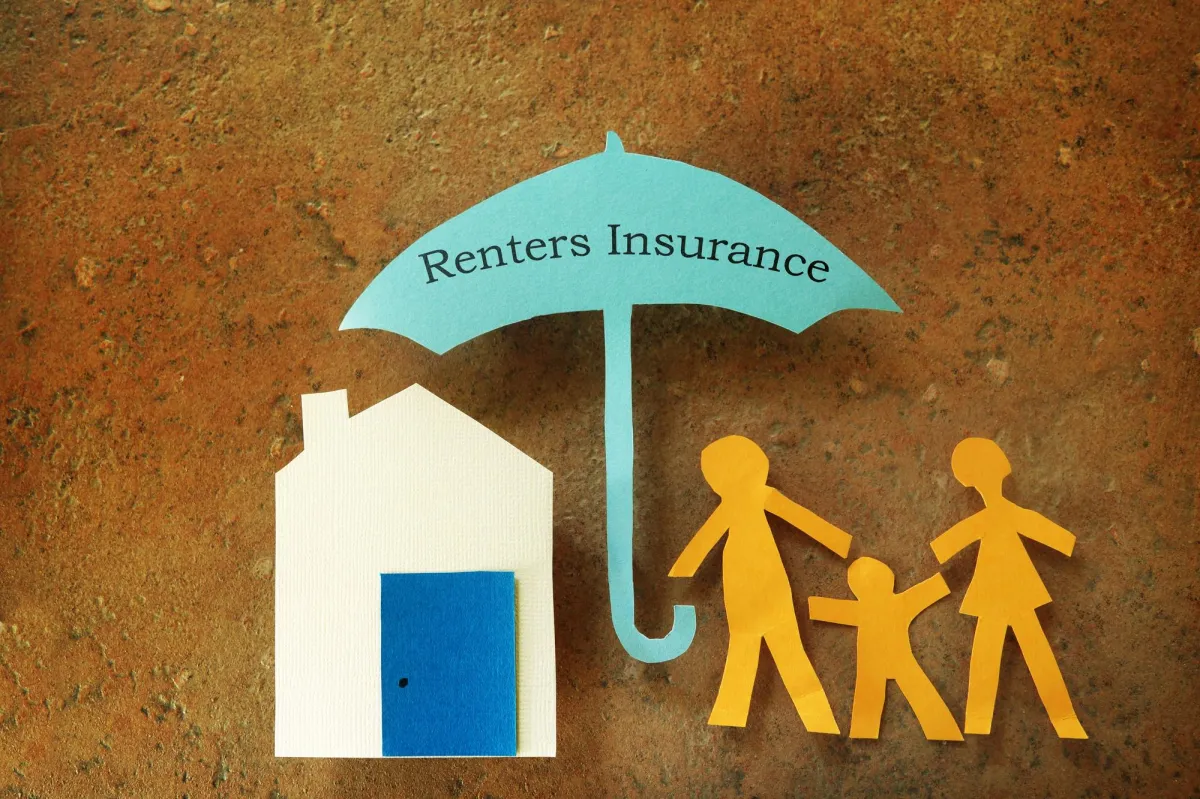
Benefits Of Buying Renters Insurance
Before buying renters' insurance, make sure to review your policy to determine what is covered. Your basic policy may only cover the cost of replacing an item up to the current cash value, minus depreciation. In addition, you should take pictures of your valuables.
Apart from these basics, you may save a lot of money on medical bills since renters insurance usually covers bodily injury liability. Your policy also covers any loss caused by loose electrical cords or loose wiring. It is also possible to increase your property coverage limit with a higher premium. You can also opt for supplementary coverages, including damage to building additions.
Personal property coverage is the most simple to understand. In case your home is damaged, renters insurance steps in and pays for your expenses. It also reimburses you for the cost of replacement items. In case of a natural disaster, your coverage can cover your temporary living expenses, including food and laundry. Moreover, it pays for any legal fees for an injured tenant.
Insurance is important as your investment, for most people because it offers peace of mind. It not just protects you but also your assets.

Washington State, Earthquake & Flood Insurance Trusted Provider
Do you have any questions/concerns?
We work with multiple carriers for your convenience.
News & Blogs

Emergency Roof Repair Visit Boise: What to Expect
In an emergency, homeowners want two things: stop the water and tell me what happens next. A professional emergency visit follows a predictable process—if it doesn’t, that’s a red flag.

Boise roofers hub: https://boiseroofers.net/boise-roofers
Emergency Visit Steps
A typical emergency roof repair visit includes:
safety check + access planning
leak entry point inspection
stabilization (tarp/temporary protection if needed)
photo documentation
plan + schedule for permanent repair
Emergency page: https://boiseroofers.net/emergency-roofing
Step 1 — Safety and Access
The crew assesses:
wind/ice conditions
ladder safety and roof pitch
where water is entering
whether attic access is needed
If conditions are unsafe, stabilization may wait for a safe window. That’s not “lazy”—that’s how pros avoid injuries.
Step 2 — Leak Location (Not Guessing)
A real inspection checks:
penetrations (vents, skylights)
flashing transitions
valleys and ridge lines
shingle fields for wind lift
attic wet trails when possible
Step 3 — Stabilization Options
Depending on the cause:
tarp and secure edges
temporary patch in safe conditions
replace a limited damaged section if feasible
redirect water away from entry zone
Emergency service: https://boiseroofers.net/emergency-roofing
Step 4 — Documentation and Next Steps
You should receive:
photos of damage
what caused it (best determination)
what was done today
what the permanent fix includes
timeline and estimate
Questions Homeowners Should Ask
“What exactly was fixed today vs stabilized?”
“Where was the entry point?”
“What permanent repair is needed?”
“Can I see photos?”
“Is there secondary damage risk?”
FAQ
Will it be permanently fixed today? Sometimes; often stabilization comes first.
Do you need attic access? Often helpful, but only if safe.
Should I be home? Preferably yes for quick decisions.
What if it leaks again after stabilization? Multiple entry points happen; follow up quickly.
How do I avoid bad contractors? Demand documentation and a written scope.

Affordable Insurance With Personal Service - Local Agents & Brokers
All Rights Reserved | Washington Earthquake & Flood Insurance
Privacy Policy | Disclaimer Terms & Conditions
Contact Us


