
Seattle Washington
Renters Insurance
Renters insurance protects personal liability and medical bills for your guests who have been injured under your property. This policy is designed for tenants and provides coverage for their personal property against break-ins, storms, or damage caused by specified events included in the policy
Renters Insurance Benefits & Coverage
Personal Property
Almost everything you own can be covered under renters insurance in the event of unexpected damage or theft.
Liability Coverage
This coverage may cover your medical expenses and any damage caused to another person's property. It may also cover legal costs and defense expenses. The typical policy will offer $100,000 in liability coverage, which is plenty for most renters. However, if you have significant assets and own a car, you might consider getting a higher liability limit.
Additional Living Expenses (ALE Coverage)
ALE coverage covers expenses like eating out if you don't have a kitchen. However, ALE coverage won't cover your entire bill. Your insurance company will only cover reasonable expenses and not replace your dwelling.
Washington Earthquake & Flood Insurance Services
Many factors contribute to the cost of renters' insurance. First, your location can affect your monthly premium as well. Areas with high crime rates and natural disasters will increase your premium. Different types of rental homes have different risks, so you should choose the policy based on the type of home you have.
Another factor is your credit score, this score is calculated by taking information from your credit report. Historical data suggests a correlation between credit score and insurance risk. A higher credit score means lower premiums. Security systems also contributed to the cost of your premiums. If your apartment is well-protected with a monitored security system, you may be able to get a lower premium.
The cost of a renter's insurance depends on the amount of coverage you need and the location of the property. You can choose to have a higher deductible, lower premiums, or both, depending on your budget. In the end, getting a policy is a worthwhile investment because it gives you peace of mind
Renters Insurance Explained
People who rent an apartment, condo, townhome, or other places of residence, should prioritize getting renters insurance. Extra living expenses along with the hotel bills and meals are also covered under the policy if a fire or other catastrophic events requires you to move.
If you are renting a property, you should have insurance to protect your belongings in case of damage. Renters insurance or tenants' insurance, gives you certain benefits similar to homeowner's insurance. However, it does not cover the entire building or dwelling. It does, however, cover damage to the structure and alterations to it.
This policy protects your possessions from loss or damage in case of a fire, theft, or another disaster. It pays for your daily living expenses if you have to stay at a hotel while repairs are made.
Moreover, it protects you against liability claims and injuries to your visitors. It may be best to acquire this type of coverage as they are required often by landlords.
Besides, it also covers your valuables in case of damage or theft. In most cases, it covers the value of your possessions minus depreciation. However, you can also purchase an optional coverage called scheduled personal property endorsement.
Read more about our agency here. This coverage will require a professional appraisal and may cost you extra money. Before thinking of buying additional coverage assess yourself if you need one.
Flood Insurance Experts
Flood Insurance Experts

Benefits Of Buying Renters Insurance
Before buying renters' insurance, make sure to review your policy to determine what is covered. Your basic policy may only cover the cost of replacing an item up to the current cash value, minus depreciation. In addition, you should take pictures of your valuables.
Apart from these basics, you may save a lot of money on medical bills since renters insurance usually covers bodily injury liability. Your policy also covers any loss caused by loose electrical cords or loose wiring. It is also possible to increase your property coverage limit with a higher premium. You can also opt for supplementary coverages, including damage to building additions.
Personal property coverage is the most simple to understand. In case your home is damaged, renters insurance steps in and pays for your expenses. It also reimburses you for the cost of replacement items. In case of a natural disaster, your coverage can cover your temporary living expenses, including food and laundry. Moreover, it pays for any legal fees for an injured tenant.
Insurance is important as your investment, for most people because it offers peace of mind. It not just protects you but also your assets.

Washington State, Earthquake & Flood Insurance Trusted Provider
Do you have any questions/concerns?
We work with multiple carriers for your convenience.
News & Blogs
Dental Implant Problem in Tulsa? Find Urgent Dental Care
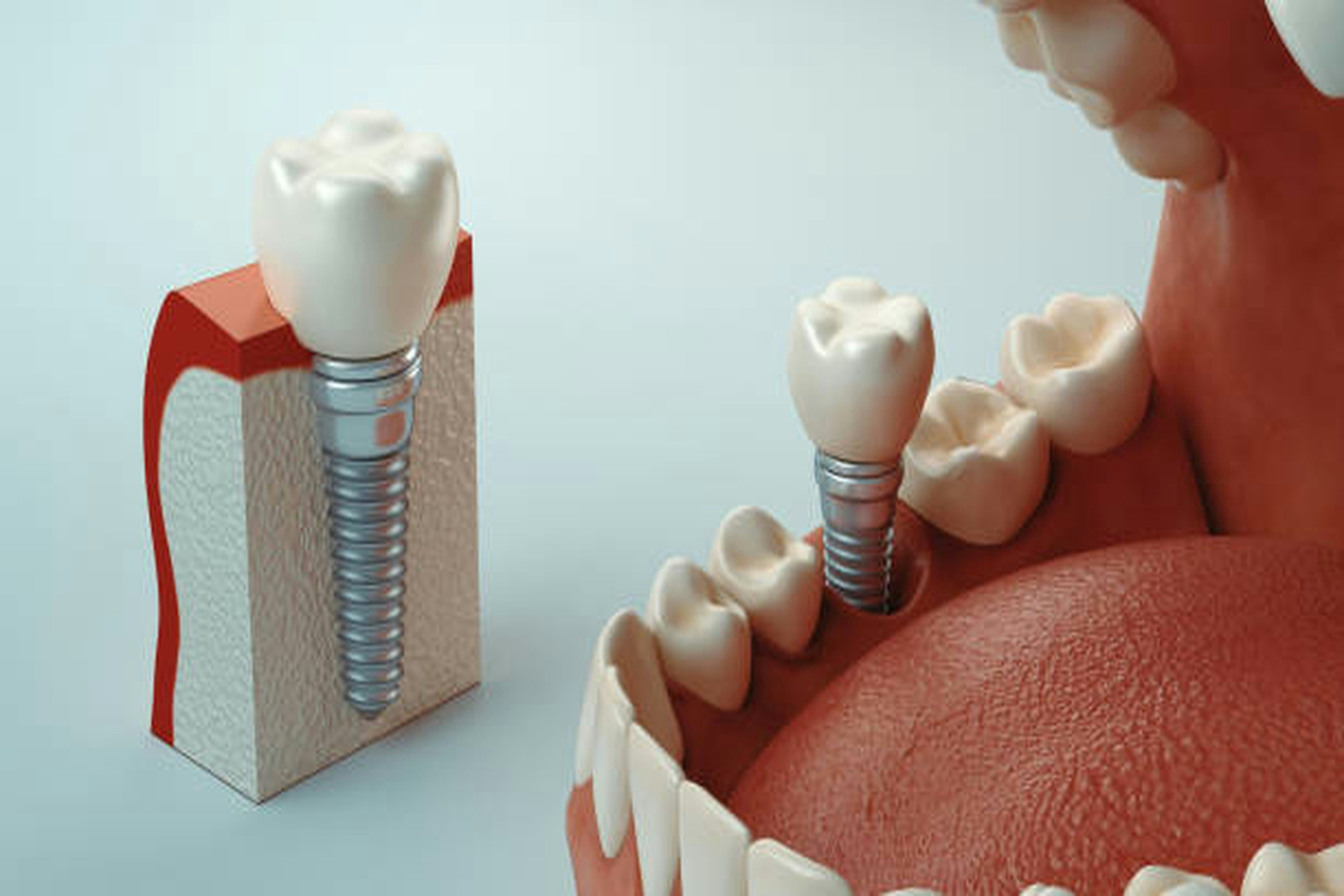
Dental implants are designed to replace missing teeth, but problems can sometimes develop during healing or after the final restoration has been placed. If an implant crown begins to move, the surrounding gums become swollen, or you notice an unexpected change around the implant, professional evaluation is important.
Not every implant problem means the implant has failed. A loose crown, inflammation of the surrounding gums, and a problem involving the implant itself are different conditions that may require different treatments.
If you notice a change in your dental implant, contact your implant dentist or another qualified dental professional. Emergency Dental Tulsa offers phone-based assistance for callers seeking dental appointments in Tulsa and surrounding communities.
Call (918) 727-7941 for help locating available dental care.
Which Dental Implant Problems Need Prompt Attention?
Dental implants consist of several components, including the implant fixture, the connecting abutment, and the visible crown or restoration. Problems can affect one component or several parts of the supporting structure.
Contact a dental professional promptly if you notice:
An implant crown or bridge that moves when you eat.
New swelling, redness, or bleeding around the implant.
Discharge or an unpleasant taste near the implant site.
A change in the way your teeth fit together.
A component that appears loose or has detached.
Difficulty chewing because the implant restoration no longer feels stable.
These symptoms do not confirm implant failure. However, they may indicate a mechanical problem, inflammation, infection, or another condition that requires assessment.
If an implant restoration becomes loose, avoid repeatedly testing it with your tongue or fingers. Do not attempt to tighten a screw or remove a component yourself.
Rapidly spreading facial swelling, difficulty swallowing, difficulty breathing, or another potentially life-threatening symptom requires emergency medical attention.
What Could Cause a Dental Implant to Become Loose or Inflamed?
Several conditions can produce changes around a dental implant. The dentist will need to determine whether the problem affects the crown, the surrounding tissues, or the implant itself.
1. A loose crown or abutment
The visible crown or the component connecting it to the implant may loosen. This can make the restoration move even when the implant fixture remains stable in the jawbone.
2. Inflammation around the implant
Bacterial plaque can contribute to inflammation of the soft tissue surrounding an implant. A condition called peri-implant mucositis affects the surrounding gum tissue and may cause redness or bleeding.
3. Peri-implantitis
In some cases, inflammation around an implant is accompanied by progressive loss of supporting bone. This condition, known as peri-implantitis, requires professional evaluation and treatment planning.
4. Problems with integration or mechanical stress
An implant may not integrate adequately with the surrounding bone, or excessive mechanical forces may contribute to complications. Teeth grinding, changes in the bite, and certain restoration-related issues may also need to be considered.
These possibilities cannot be distinguished reliably from symptoms alone. A dentist may examine the implant, assess the surrounding tissues, check the stability of the restoration, and obtain imaging when indicated.
What Treatments Might a Dentist Recommend?
Treatment depends on the cause of the problem and whether the implant fixture, the restoration, or the surrounding tissues are affected.
1. Repairing or securing the restoration
If the crown or abutment is loose while the implant fixture remains stable, a dentist may be able to tighten or replace the affected component. The provider must first determine why it loosened.
2. Professional cleaning and inflammation management
If inflammation is affecting the surrounding gum tissue, the dentist may recommend professional cleaning and improved implant-specific hygiene. Follow-up monitoring may be needed to assess whether the tissue improves.
3. Treatment for peri-implantitis
When an implant has inflammation accompanied by supporting bone loss, treatment may involve specialized cleaning of the implant surface, surgical management in selected cases, or other approaches based on the severity of the condition.
4. Repair or replacement of the implant restoration
A damaged crown or other prosthetic component may need repair or replacement. The dentist will assess whether the existing implant can continue supporting a restoration safely.
5. Implant removal in selected cases
If the implant is severely compromised and cannot be maintained predictably, removal may be considered. The decision depends on the condition of the implant, supporting bone, and surrounding tissues.
Antibiotics may be considered in selected situations when clinically indicated, but they are not a substitute for treating the underlying cause. Not every implant complication requires medication or implant removal.
The dentist will explain the findings and available options before recommending treatment.
What Should You Do Before Your Implant Appointment?
Taking precautions can help avoid additional stress on the implant while you arrange an examination.
Avoid chewing hard foods on the affected side.
Do not wiggle, twist, or attempt to tighten the implant restoration.
Keep the area clean with gentle brushing.
Follow the implant-specific cleaning instructions previously provided by your dentist.
Avoid applying household adhesives or unapproved products around the implant.
Contact your dental provider promptly and describe the change you have noticed.
If a crown or other removable component detaches, keep it in a clean container and bring it to your appointment. Do not try to force it back into position.
If the implant was placed recently, follow the postoperative instructions provided by your treating dentist. New swelling, drainage, or worsening symptoms should be reported promptly.
Where Can You Find Emergency Dental Care in Tulsa?
A dental implant complication may require assessment by a dentist experienced in implant restorations or implant surgery. Not every emergency dental provider offers these specialized services, so confirm the provider's capabilities when arranging an appointment.
Emergency Dental Tulsa advertises phone support to help callers locate dental providers in Tulsa and nearby communities, including Broken Arrow, Owasso, Jenks, and Bixby.
When calling, explain whether the crown is loose, the gums are swollen, or the implant itself appears to move. Mention when the implant was placed and whether symptoms have recently changed.
Call (918) 727-7941 for assistance finding dental care. The service advertises 24-hour phone support, but appointment availability and implant-specific treatment capabilities must be confirmed with the individual provider.
Take Action When Your Dental Implant Changes
A loose implant crown, swollen gum tissue, or a change in the way your implant feels can have several explanations. Early professional assessment can help determine whether the problem is limited to the restoration or involves the surrounding tissues or supporting bone.
Do not attempt to repair the implant yourself or ignore new symptoms because the restoration is still usable.
If you are in Tulsa, Broken Arrow, Owasso, Jenks, or Bixby, contact Emergency Dental Tulsa for help locating an appropriate dental provider.
Call (918) 727-7941 for appointment assistance and guidance on finding care.
Disclaimer: This article provides general information only and should not be construed as professional medical or dental advice, diagnosis, or treatment. Always consult with a licensed dentist or healthcare provider regarding any dental emergency or medical condition.

Affordable Insurance With Personal Service - Local Agents & Brokers

All Rights Reserved | Washington Earthquake & Flood Insurance
Privacy Policy | Disclaimer Terms & Conditions
Contact Us


