Seattle Washington Home Insurance Agents
Your home is probably the safest place you’ll ever think of. The security and comfortability it gives are enough to invest in to protect itself from the outside element. Home insurance coverage is built for private residences. It is a perfect shield to protect your home during a disaster.
Main Benefits Of Home Insurance Benefits & Coverage
Dwelling Coverage
The dwelling coverage of home insurance is an important part of your policy. This coverage helps pay for repairs or replacement of your home if disaster strikes. However, not all dwellings are equally covered. Disaster-prone areas will pay more for insurance.
Structure
Aside from the structure of your home, a detached garage or shed can also cover under your homeowner's insurance. Usually, other structure coverage is included in the homeowner's insurance policy and does not require an additional premium.
Personal Belonging
Stuff you own—furniture, electronics, sporting goods, and clothing can help you protect or even replace through homeowners policy after the event of loss, fire, or theft.
Liability
This type of insurance pays out for bodily injury or property damage claims brought against you as a legally responsible party. Home insurance policy to protect yourself from this risk.

Guide To The Right Home Insurance
Coverage
There are many different types of home insurance policies, but they all serve the same basic purpose—to protect your property. By understanding each component of homeowners insurance, you can make an informed decision about your home's protection.
Determining how much coverage you need is the most important when acquiring a policy. Most homeowners find that H0-1 coverage is adequate for their needs. H0-1 will pay for the structure of the house and any attached structures, including garages and sheds.
A broad-form policy will cover more losses than H0-1 insurance. It will also cover any additional living expenses. In addition to basic coverage, there are more extensive forms of policy. If you have more expensive items, you should choose an H0-3 home insurance policy that covers personal possessions.
To choose the best coverage, you should compare the different types of home insurance. You can save a lot when you choose to shop around. Many providers offer discounts for purchasing multiple policies with a single provider. Agents and brokers understand the difference between homeowners' needs. Don’t be shy to ask them to help you find the best level of protection you need for your home.
Types Of Homeowners Insurance
Shopping for home insurance may be overwhelming, but this policy comes with numerous options. Each option comes with different needs and benefits. Always ask your providers for more suggestions, as we believed every home has its own needs.

HO-1
Also known as the basic form of a homeowners policy is fairly basic since your home will be covered at its actual cash value. At some point, personal belongings can be covered under HO-1.
HO-2
a broad form of HO-1. It provides coverage for a broader variety of perils like home at its replacement cost. While the personal property will be covered at its actual cash value.
HO-3
The most common home policy covers replacement costs and personal property at actual cash value, with an option for replacement coverage.
HO-4
Is called renter’s insurance. It is specially designed for those who are renting or leasing.
HO-5
probably the highest level of coverage for single-family homes. It may seem similar to HO-3 but with more protection and few components.
HO-6
condo insurance for unit owners. Another special type of policy for those owners who live in co-ops or condominiums.
HO-7
Is insurance specially designed for mobile houses, they provide the same benefit and coverage as HO-3.
HO-8
Provides coverage for a house that does not meet the insurers’ standards. This means that the home is at high risk of loss or damage.
Flood Insurance Experts
Flood Insurance Experts
Who Should Get Home Insurance
Getting home insurance will depend on your situation. If you have a new home that you plan to live in, getting home insurance should be one of your top priorities. Not only does it protect your new investment, but it also ensures that you will be able to stay in the home if something bad should happen to it. The best way to determine what type of policy you need is to shop around.
While it is not a legal requirement, mortgage lenders often require it. It's also a good idea to protect your investment, as it provides liability and property coverage. It's also a great safety net, as it will pay to replace stolen or damaged possessions, as well as cover living expenses while your home is being repaired or unhabitable. You can choose to purchase a home warranty, but it's still recommended that you get some type of insurance policy.
The amount of coverage you purchase is important too. A policy should have enough coverage for your net worth, which is your assets and debts minus your liabilities. If you live a high-risk lifestyle, you may want to upgrade to a higher liability limit. A homeowner's insurance policy should also cover any additional assets you may have, like a swimming pool. If you live in an area that is regularly struck by storms, it may be worth considering purchasing umbrella insurance to cover additional costs.

How Affordable Homeowners Insurance Is
In order to determine how affordable homeowners insurance is, you must first understand the various types of coverage. Some policies cover many things, while others may only cover a limited number.
As standard homeowners insurance may not cover your entire house, it will cover any valuables you keep inside. It may even cover liability costs and extra living expenses, such as paying for a hotel.
Homeowners' insurance policies typically cover a wide variety of perils and threats, including fire, theft, vandalism, and windstorms.
The cost of insurance varies from carrier to carrier, so make sure to compare several quotes before deciding on the policy.
The average cost of homeowners insurance in a ZIP code is usually accurate, as companies know the value of homes in your neighborhood, the number of claims, and whether the area has a professional fire department.
Normally, older houses cost more to insure, so you may want to opt to buy when you just purchase your home. While these tend to be more expensive to replace, newer homes often qualify for discounts.
The cost of homeowners insurance varies by state and it is largely determined by location, as well as weather conditions. Insurers are not required to raise premiums by the same amount no matter where you live. Depending on your location, you may be able to find an affordable policy, if you know what to look for.

Washington State, Earthquake & Flood Insurance Trusted Provider
Do you have any questions/concerns?
We work with multiple carriers for your convenience.
News & Blogs
Unexpected Roof Damage and Expensive Repairs? Find Roofing Help in Salt Lake City
A Roofing Emergency Can Create Financial Stress Without Warning
Discovering that your roof needs immediate repairs can be financially overwhelming.
Perhaps you noticed water entering your home after a storm. Maybe several shingles have disappeared, or a section of your ceiling has started showing signs of moisture.
You know the problem needs attention, but you're worried about the cost.
You might be asking yourself whether the entire roof needs replacement, whether a smaller repair would be sufficient, or whether delaying the work could make things worse.
These are reasonable concerns.
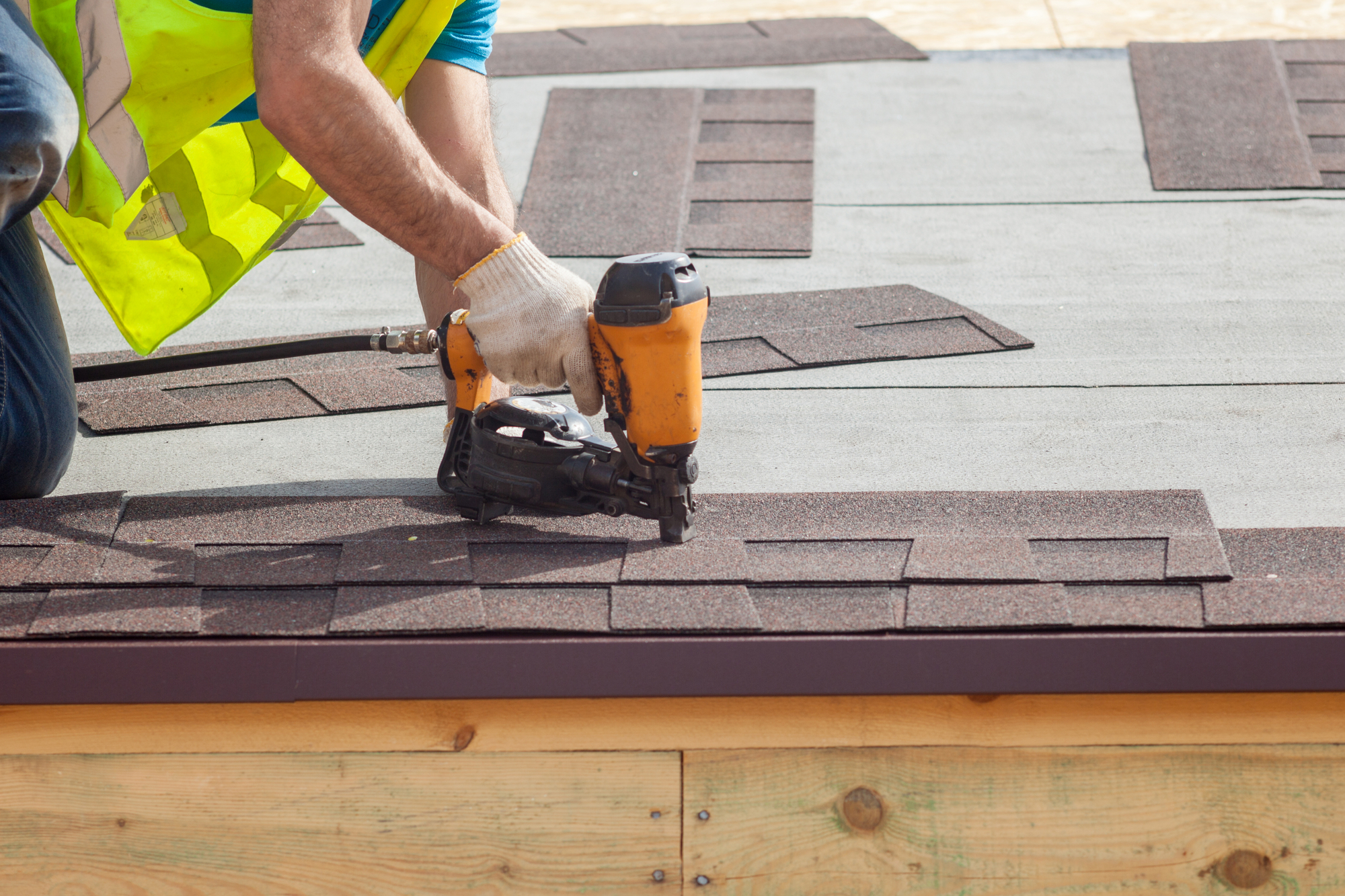
The important thing is to understand the condition of your roof before committing to a major project.
Salt Lake City Roofers advertises roof inspections, emergency roof repairs, roof replacement, and storm damage services.
If your property needs immediate attention, call 877-853-5701 to discuss your situation and request information about available roofing assistance.
What Could Be Causing an Unexpected Roofing Expense?
An unexpected roofing problem does not automatically mean you need a complete roof replacement.
Several different conditions could be responsible for the damage.
Three common possibilities include:
Localized shingle damage: A small section of missing, cracked, or deteriorated shingles may require a targeted repair rather than an entirely new roof.
Flashing deterioration: Damaged metal flashing around chimneys, roof valleys, and vents may allow water to enter through specific areas.
Widespread roof deterioration: An aging roofing system with repeated leaks and extensive material damage may require more substantial work.
Other possibilities include storm damage, damaged underlayment, ice dam-related leaks, and drainage problems.
The difference matters because the appropriate repair depends on the actual condition of the roofing system.
Without an inspection, it can be difficult to determine whether a repair or replacement is the more practical solution.
Homeowners in Salt Lake City, Millcreek, Murray, and South Salt Lake should request a professional assessment when roofing damage becomes visible.
How Can You Avoid Paying for Unnecessary Roofing Work?
When an unexpected roofing problem develops, obtaining clear information can help you make a more informed financial decision.
Before approving a major roofing project, consider these three steps:
1. Request a professional inspection.
Ask the contractor to identify the damaged areas and explain whether the problem is isolated or widespread.
2. Request an itemized estimate.
The estimate should explain the proposed work, materials, labor, and any additional charges that may apply.
3. Compare repair and replacement options.
If the roof is still structurally sound and the damage is limited, localized repair may be worth considering. If deterioration is extensive, replacement may offer a more appropriate long-term solution.
You should also ask which work is urgent and which improvements can be scheduled later.
This distinction can help you prioritize necessary repairs without automatically committing to every recommended upgrade.
However, do not postpone necessary emergency protection simply because you're comparing estimates.
An active leak or exposed roof section may require immediate temporary protection.
What Roofing Solutions May Help Reduce Your Immediate Financial Burden?
The appropriate solution depends on the type and severity of the damage.
Three possible options include:
Targeted roof repairs: Replacing individual shingles, correcting flashing problems, or patching localized damage may be appropriate when the remaining roofing system is in serviceable condition.
Emergency roof tarping: Temporary protective coverage may help reduce additional water intrusion while a permanent repair is arranged.
Roof replacement: If the roofing system is extensively damaged or deteriorated, replacement may be a more suitable long-term investment.
Salt Lake City Roofers offers several services that relate directly to these situations, including roof repair, emergency roofing, shingle replacement, and complete roof replacement.
Explore the company's roof repair services and roof replacement options.
If your roof was damaged by a covered event, you may also want to contact your insurance provider. Ask about your policy's requirements, documentation, deductible, and coverage limitations.
Insurance approval should never be assumed, as coverage depends on the specific policy and circumstances.
Why Delaying Necessary Roof Repairs Could Become More Expensive
It's understandable to hesitate when an unexpected expense appears.
However, ignoring an active roofing problem may create additional costs.
For example, a small opening can allow water to enter the attic, damage insulation, and eventually affect ceilings and interior walls.
The original roofing repair may then become part of a larger restoration project.
Other possible consequences include:
Additional shingle and underlayment deterioration.
Water damage to interior finishes.
Moisture-related insulation problems.
Damage to stored belongings and furniture.
More extensive repairs after repeated weather exposure.
If you're concerned about your budget, ask for a clear explanation of the immediate problem and the most practical repair options.
The objective should be to protect your property while understanding the financial commitment before approving permanent work.
Get a Roofing Estimate in Salt Lake City Before the Damage Gets Worse
An unexpected roofing expense can be stressful, but you don't have to make decisions without understanding the condition of your roof.
Whether you are located in Salt Lake City, Canyon Rim, East Millcreek, North Salt Lake, or Murray, professional roofing assistance may help you understand what needs attention.
Salt Lake City Roof Services advertises emergency roofing services and free roofing estimates.
Call 877-853-5701 to explain your roofing problem and request information about inspection and repair options.
Ask about the availability of emergency assistance, the expected scope of work, and whether a localized repair may be possible.
Don't let financial uncertainty keep you from addressing a potentially serious roof problem. Call 877-853-5701 today to discuss your roofing needs in Salt Lake City.
Affordable Insurance With Personal Service - Local Agents & Brokers
All Rights Reserved | Washington Earthquake & Flood Insurance
Privacy Policy | Disclaimer Terms & Conditions
Contact Us


