
Seattle Washington Home Insurance Agents
Your home is probably the safest place you’ll ever think of. The security and comfortability it gives are enough to invest in to protect itself from the outside element. Home insurance coverage is built for private residences. It is a perfect shield to protect your home during a disaster.
Main Benefits Of Home Insurance Benefits & Coverage
Dwelling Coverage
The dwelling coverage of home insurance is an important part of your policy. This coverage helps pay for repairs or replacement of your home if disaster strikes. However, not all dwellings are equally covered. Disaster-prone areas will pay more for insurance.
Structure
Aside from the structure of your home, a detached garage or shed can also cover under your homeowner's insurance. Usually, other structure coverage is included in the homeowner's insurance policy and does not require an additional premium.
Personal Belonging
Stuff you own—furniture, electronics, sporting goods, and clothing can help you protect or even replace through homeowners policy after the event of loss, fire, or theft.
Liability
This type of insurance pays out for bodily injury or property damage claims brought against you as a legally responsible party. Home insurance policy to protect yourself from this risk.

Guide To The Right Home Insurance
Coverage
There are many different types of home insurance policies, but they all serve the same basic purpose—to protect your property. By understanding each component of homeowners insurance, you can make an informed decision about your home's protection.
Determining how much coverage you need is the most important when acquiring a policy. Most homeowners find that H0-1 coverage is adequate for their needs. H0-1 will pay for the structure of the house and any attached structures, including garages and sheds.
A broad-form policy will cover more losses than H0-1 insurance. It will also cover any additional living expenses. In addition to basic coverage, there are more extensive forms of policy. If you have more expensive items, you should choose an H0-3 home insurance policy that covers personal possessions.
To choose the best coverage, you should compare the different types of home insurance. You can save a lot when you choose to shop around. Many providers offer discounts for purchasing multiple policies with a single provider. Agents and brokers understand the difference between homeowners' needs. Don’t be shy to ask them to help you find the best level of protection you need for your home.
Types Of Homeowners Insurance
Shopping for home insurance may be overwhelming, but this policy comes with numerous options. Each option comes with different needs and benefits. Always ask your providers for more suggestions, as we believed every home has its own needs.

HO-1
Also known as the basic form of a homeowners policy is fairly basic since your home will be covered at its actual cash value. At some point, personal belongings can be covered under HO-1.
HO-2
a broad form of HO-1. It provides coverage for a broader variety of perils like home at its replacement cost. While the personal property will be covered at its actual cash value.
HO-3
The most common home policy covers replacement costs and personal property at actual cash value, with an option for replacement coverage.
HO-4
Is called renter’s insurance. It is specially designed for those who are renting or leasing.
HO-5
probably the highest level of coverage for single-family homes. It may seem similar to HO-3 but with more protection and few components.
HO-6
condo insurance for unit owners. Another special type of policy for those owners who live in co-ops or condominiums.
HO-7
Is insurance specially designed for mobile houses, they provide the same benefit and coverage as HO-3.
HO-8
Provides coverage for a house that does not meet the insurers’ standards. This means that the home is at high risk of loss or damage.
Flood Insurance Experts
Flood Insurance Experts
Who Should Get Home Insurance
Getting home insurance will depend on your situation. If you have a new home that you plan to live in, getting home insurance should be one of your top priorities. Not only does it protect your new investment, but it also ensures that you will be able to stay in the home if something bad should happen to it. The best way to determine what type of policy you need is to shop around.
While it is not a legal requirement, mortgage lenders often require it. It's also a good idea to protect your investment, as it provides liability and property coverage. It's also a great safety net, as it will pay to replace stolen or damaged possessions, as well as cover living expenses while your home is being repaired or unhabitable. You can choose to purchase a home warranty, but it's still recommended that you get some type of insurance policy.
The amount of coverage you purchase is important too. A policy should have enough coverage for your net worth, which is your assets and debts minus your liabilities. If you live a high-risk lifestyle, you may want to upgrade to a higher liability limit. A homeowner's insurance policy should also cover any additional assets you may have, like a swimming pool. If you live in an area that is regularly struck by storms, it may be worth considering purchasing umbrella insurance to cover additional costs.

How Affordable Homeowners Insurance Is
In order to determine how affordable homeowners insurance is, you must first understand the various types of coverage. Some policies cover many things, while others may only cover a limited number.
As standard homeowners insurance may not cover your entire house, it will cover any valuables you keep inside. It may even cover liability costs and extra living expenses, such as paying for a hotel.
Homeowners' insurance policies typically cover a wide variety of perils and threats, including fire, theft, vandalism, and windstorms.
The cost of insurance varies from carrier to carrier, so make sure to compare several quotes before deciding on the policy.
The average cost of homeowners insurance in a ZIP code is usually accurate, as companies know the value of homes in your neighborhood, the number of claims, and whether the area has a professional fire department.
Normally, older houses cost more to insure, so you may want to opt to buy when you just purchase your home. While these tend to be more expensive to replace, newer homes often qualify for discounts.
The cost of homeowners insurance varies by state and it is largely determined by location, as well as weather conditions. Insurers are not required to raise premiums by the same amount no matter where you live. Depending on your location, you may be able to find an affordable policy, if you know what to look for.

Washington State, Earthquake & Flood Insurance Trusted Provider
Do you have any questions/concerns?
We work with multiple carriers for your convenience.
News & Blogs
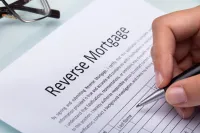
Can't Afford Home Repairs in Retirement? Boise Reverse Mortgage Options
A damaged roof, failing heating system, plumbing problem, or deteriorating home structure can quickly become a serious financial concern.
For retirees, these repairs may be particularly difficult to manage because they often require substantial upfront expenses.
You may have spent decades maintaining your home, but an unexpected repair can create an immediate financial challenge. If your retirement income is limited, paying for necessary improvements may require withdrawing savings, borrowing money, or delaying other expenses.

Unfortunately, postponing essential repairs can create additional damage and potentially make your home less comfortable or safe.
If you own a home in Boise or the surrounding Treasure Valley, exploring available home equity options may help you understand whether additional financing is accessible.
Reverse Mortgage Boise offers HECM and proprietary reverse mortgage guidance, including discussions about using home equity for home improvements and maintaining a property.
Why Necessary Home Repairs Become Difficult During Retirement
Home maintenance expenses can be unpredictable.
Some repairs can be postponed temporarily, while others may require immediate attention to prevent further damage.
Examples include:
Roof leaks that may damage ceilings, insulation, and interior structures.
Plumbing problems that can affect water supply and surrounding building materials.
Heating and cooling system failures that make the home uncomfortable.
Electrical problems requiring professional inspection and repair.
Accessibility modifications needed to support aging in place.
The challenge is that retirement income may not provide enough flexibility to absorb a large unexpected expense.
A homeowner may have considerable property equity but insufficient available cash to pay a contractor.
In these situations, reviewing different financing arrangements may help identify an appropriate approach.
Could a HECM Reverse Mortgage Help Pay for Home Improvements?
An FHA-insured Home Equity Conversion Mortgage allows qualifying homeowners to access a portion of their accumulated home equity.
For eligible borrowers, the proceeds may be used for general expenses, including qualifying home improvements and maintenance.
Depending on the borrower's circumstances, funds may be available through different distribution methods:
Lump-sum proceeds: An initial disbursement may help address a substantial repair, subject to applicable HECM restrictions.
Monthly payments: Scheduled payments may provide additional cash flow for homeowners managing several expenses.
Line of credit: Available funds may be drawn when necessary, subject to the loan's terms and remaining credit availability.
Combined arrangements: Certain borrowers may benefit from combining payment methods to address both immediate and future needs.
However, borrowers should understand that the reverse mortgage balance increases over time as interest and fees accumulate.
The homeowner must also maintain the property and remain current on property taxes and homeowners insurance.
A reverse mortgage is financing, not a grant or free home improvement program.
Compare Three Ways to Finance Essential Home Repairs
Before using home equity, consider whether another financing strategy may better fit your needs.
1. Personal savings and emergency reserves
Using available savings may avoid borrowing costs and interest accumulation. However, homeowners should consider whether spending these funds could leave insufficient resources for healthcare or other emergencies.
2. Traditional home improvement financing
Personal loans and home equity loans may provide funding for repairs. These products generally involve scheduled repayment and may require sufficient income and credit qualifications.
3. Reverse mortgage financing
Eligible homeowners may be able to use HECM proceeds to pay for repairs without required monthly principal and interest payments.
The right approach depends on the repair's urgency, total cost, available income, existing debts, and long-term retirement plans.
Can a Reverse Mortgage Help You Age in Place?
Many retirees want to remain in the homes where they have spent years building memories.
However, maintaining a home over time may require modifications that make daily activities more manageable.
Potential improvements may include:
Installing accessible bathroom features.
Improving entrances and walkways.
Modifying doorways and interior layouts.
Repairing flooring and other household features.
Addressing necessary structural maintenance.
Reverse Mortgage Boise highlights home improvement and maintaining the home as potential uses of reverse mortgage proceeds.
A customized estimate can help homeowners examine whether their available equity may support these expenses.
It is equally important to evaluate future maintenance requirements and ongoing housing costs before proceeding.
Explore Reverse Mortgage Options in Boise and the Treasure Valley
If you are postponing necessary home repairs because of limited retirement funds, it may be time to evaluate your financial position.
Reverse Mortgage Boise offers customized estimates, HECM guidance, proprietary reverse mortgage comparisons, and assistance throughout the application process.
Its service area includes Boise, Meridian, Eagle, Nampa, Caldwell, Kuna, Star, Middleton, and additional Idaho communities.
A consultation can help you understand potential proceeds, fees, property requirements, and the long-term implications of borrowing against your home.
Don't Let Necessary Home Repairs Become a Larger Financial Burden
Delaying essential repairs can create additional complications for homeowners, particularly when the property is their primary residence.
If you have significant home equity but limited retirement cash flow, exploring reverse mortgage options may help you determine whether financing is available for your situation.
Contact Reverse Mortgage Boise through its website to discuss HECM financing, home improvement funding, and customized reverse mortgage estimates.
Disclaimer: This article provides general financial information only and should not be construed as professional financial, legal, tax, or mortgage advice. Reverse mortgage eligibility, costs, and benefits depend on individual circumstances. Always consult with qualified financial, legal, tax, and mortgage professionals before making a financial decision.
Affordable Insurance With Personal Service - Local Agents & Brokers
All Rights Reserved | Washington Earthquake & Flood Insurance
Privacy Policy | Disclaimer Terms & Conditions
Contact Us


