
Seattle Washington Home Insurance Agents
Your home is probably the safest place you’ll ever think of. The security and comfortability it gives are enough to invest in to protect itself from the outside element. Home insurance coverage is built for private residences. It is a perfect shield to protect your home during a disaster.
Main Benefits Of Home Insurance Benefits & Coverage
Dwelling Coverage
The dwelling coverage of home insurance is an important part of your policy. This coverage helps pay for repairs or replacement of your home if disaster strikes. However, not all dwellings are equally covered. Disaster-prone areas will pay more for insurance.
Structure
Aside from the structure of your home, a detached garage or shed can also cover under your homeowner's insurance. Usually, other structure coverage is included in the homeowner's insurance policy and does not require an additional premium.
Personal Belonging
Stuff you own—furniture, electronics, sporting goods, and clothing can help you protect or even replace through homeowners policy after the event of loss, fire, or theft.
Liability
This type of insurance pays out for bodily injury or property damage claims brought against you as a legally responsible party. Home insurance policy to protect yourself from this risk.

Guide To The Right Home Insurance
Coverage
There are many different types of home insurance policies, but they all serve the same basic purpose—to protect your property. By understanding each component of homeowners insurance, you can make an informed decision about your home's protection.
Determining how much coverage you need is the most important when acquiring a policy. Most homeowners find that H0-1 coverage is adequate for their needs. H0-1 will pay for the structure of the house and any attached structures, including garages and sheds.
A broad-form policy will cover more losses than H0-1 insurance. It will also cover any additional living expenses. In addition to basic coverage, there are more extensive forms of policy. If you have more expensive items, you should choose an H0-3 home insurance policy that covers personal possessions.
To choose the best coverage, you should compare the different types of home insurance. You can save a lot when you choose to shop around. Many providers offer discounts for purchasing multiple policies with a single provider. Agents and brokers understand the difference between homeowners' needs. Don’t be shy to ask them to help you find the best level of protection you need for your home.
Types Of Homeowners Insurance
Shopping for home insurance may be overwhelming, but this policy comes with numerous options. Each option comes with different needs and benefits. Always ask your providers for more suggestions, as we believed every home has its own needs.

HO-1
Also known as the basic form of a homeowners policy is fairly basic since your home will be covered at its actual cash value. At some point, personal belongings can be covered under HO-1.
HO-2
a broad form of HO-1. It provides coverage for a broader variety of perils like home at its replacement cost. While the personal property will be covered at its actual cash value.
HO-3
The most common home policy covers replacement costs and personal property at actual cash value, with an option for replacement coverage.
HO-4
Is called renter’s insurance. It is specially designed for those who are renting or leasing.
HO-5
probably the highest level of coverage for single-family homes. It may seem similar to HO-3 but with more protection and few components.
HO-6
condo insurance for unit owners. Another special type of policy for those owners who live in co-ops or condominiums.
HO-7
Is insurance specially designed for mobile houses, they provide the same benefit and coverage as HO-3.
HO-8
Provides coverage for a house that does not meet the insurers’ standards. This means that the home is at high risk of loss or damage.
Flood Insurance Experts
Flood Insurance Experts
Who Should Get Home Insurance
Getting home insurance will depend on your situation. If you have a new home that you plan to live in, getting home insurance should be one of your top priorities. Not only does it protect your new investment, but it also ensures that you will be able to stay in the home if something bad should happen to it. The best way to determine what type of policy you need is to shop around.
While it is not a legal requirement, mortgage lenders often require it. It's also a good idea to protect your investment, as it provides liability and property coverage. It's also a great safety net, as it will pay to replace stolen or damaged possessions, as well as cover living expenses while your home is being repaired or unhabitable. You can choose to purchase a home warranty, but it's still recommended that you get some type of insurance policy.
The amount of coverage you purchase is important too. A policy should have enough coverage for your net worth, which is your assets and debts minus your liabilities. If you live a high-risk lifestyle, you may want to upgrade to a higher liability limit. A homeowner's insurance policy should also cover any additional assets you may have, like a swimming pool. If you live in an area that is regularly struck by storms, it may be worth considering purchasing umbrella insurance to cover additional costs.

How Affordable Homeowners Insurance Is
In order to determine how affordable homeowners insurance is, you must first understand the various types of coverage. Some policies cover many things, while others may only cover a limited number.
As standard homeowners insurance may not cover your entire house, it will cover any valuables you keep inside. It may even cover liability costs and extra living expenses, such as paying for a hotel.
Homeowners' insurance policies typically cover a wide variety of perils and threats, including fire, theft, vandalism, and windstorms.
The cost of insurance varies from carrier to carrier, so make sure to compare several quotes before deciding on the policy.
The average cost of homeowners insurance in a ZIP code is usually accurate, as companies know the value of homes in your neighborhood, the number of claims, and whether the area has a professional fire department.
Normally, older houses cost more to insure, so you may want to opt to buy when you just purchase your home. While these tend to be more expensive to replace, newer homes often qualify for discounts.
The cost of homeowners insurance varies by state and it is largely determined by location, as well as weather conditions. Insurers are not required to raise premiums by the same amount no matter where you live. Depending on your location, you may be able to find an affordable policy, if you know what to look for.

Washington State, Earthquake & Flood Insurance Trusted Provider
Do you have any questions/concerns?
We work with multiple carriers for your convenience.
News & Blogs
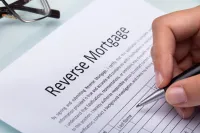
Credit Card Debt in Retirement? Explore Reverse Mortgages in Boise
Carrying significant debt into retirement can create financial pressure that becomes increasingly difficult to manage.
Credit card balances, personal loans, medical bills, and other outstanding obligations can consume a large portion of a retiree's monthly income.
For homeowners living on Social Security, pensions, or retirement savings, keeping up with multiple payments may become a constant challenge.

Perhaps you have been making minimum credit card payments for months without seeing much progress. Maybe unexpected expenses have forced you to rely on borrowed money, leaving you with several outstanding balances.
If you own a home in Boise or the surrounding Treasure Valley, your accumulated home equity may be one financial resource worth examining.
Reverse Mortgage Boise offers HECM and proprietary reverse mortgage guidance that can help eligible homeowners understand whether accessing home equity may fit their financial situation.
However, using a reverse mortgage to address debt requires careful consideration because borrowing against your home creates long-term financial obligations.
Why Debt Can Become More Difficult to Manage After Retirement
Retirement often changes the way households manage debt.
During employment, regular wages may provide enough income to cover outstanding balances while maintaining everyday expenses.
After retirement, the household may rely on a more limited or fixed income.
Several circumstances can contribute to debt-related financial pressure:
High-interest credit card balances: Interest charges can make it difficult to reduce outstanding debt.
Unexpected medical expenses: Healthcare costs may require borrowing or withdrawing additional retirement savings.
Existing mortgage payments: Homeowners may struggle to manage their mortgage alongside other monthly obligations.
Reduced household income: Retirement distributions may not provide enough flexibility to cover every financial responsibility.
When multiple debts compete for limited income, homeowners may begin falling behind on payments or using savings to cover basic expenses.
Understanding the full financial picture is important before choosing a debt-relief strategy.
Could a Reverse Mortgage Help Address Existing Debt?
A reverse mortgage may allow eligible homeowners to access a portion of their accumulated property equity.
With an FHA-insured HECM, qualifying borrowers can receive funds through different payment arrangements.
Depending on eligibility and loan terms, the proceeds may be used for general financial purposes, including addressing certain outstanding debts.
Potential distribution options include:
A lump-sum payment, subject to applicable restrictions.
Monthly disbursements.
A line of credit.
A combination of available payment arrangements.
In some situations, reverse mortgage proceeds may be used to pay off an existing traditional mortgage at closing. Other available proceeds may then be used toward eligible financial needs.
However, homeowners should understand that paying off unsecured debts with a reverse mortgage changes the nature of the financial obligation.
Instead of carrying the debt through separate accounts, the borrower adds financing costs to a loan secured by the home.
The reverse mortgage balance increases over time as interest and fees accumulate. The home may eventually need to be sold or the loan otherwise repaid when a repayment-triggering event occurs.
Three Debt-Management Strategies to Compare Before Borrowing Against Your Home
A reverse mortgage should be compared with other debt-management approaches.
1. Debt management or repayment planning
A qualified credit counselor may help you organize outstanding balances, evaluate interest costs, and establish a repayment strategy.
This may be appropriate for homeowners whose income can support a structured repayment arrangement.
2. Traditional debt consolidation
Some borrowers may qualify for a consolidation loan or other financing arrangement that combines multiple obligations.
However, consolidation does not automatically eliminate debt. Borrowers should examine interest rates, fees, repayment periods, and total costs.
3. Reverse mortgage financing
For eligible older homeowners, a reverse mortgage may provide access to property equity without required monthly principal and interest payments.
However, this approach uses the home as collateral and may reduce future home equity.
The appropriate strategy depends on your income, debt balances, property value, credit circumstances, and long-term plans.
What Should You Know Before Using Home Equity to Pay Off Debt?
Before considering a reverse mortgage, determine whether the proposed financing would improve your overall financial position.
Important questions include:
How much debt would need to be addressed?
Would available reverse mortgage proceeds cover the intended obligations?
What upfront and ongoing loan costs would apply?
Could you continue paying property taxes and insurance?
Would you still have sufficient funds for unexpected expenses?
How would the loan affect your future home equity?
It is also important to remember that a reverse mortgage does not eliminate financial responsibility.
HECM borrowers must continue meeting property-related obligations, and the loan balance grows as financing costs accumulate.
Independent HUD-approved counseling is required for HECM borrowers and provides an opportunity to review the loan's financial implications and alternatives.
Explore Reverse Mortgage Options With Boise Financial Specialists
If your outstanding debts are affecting your ability to enjoy retirement, reviewing your home equity may help you understand additional financing possibilities.
Reverse Mortgage Boise offers customized estimates and guidance on HECM, proprietary reverse mortgage, and refinancing options.
Homeowners in Boise, Meridian, Eagle, Nampa, Caldwell, Kuna, and surrounding Idaho communities can explore whether available loan programs fit their circumstances.
A consultation can help you understand potential proceeds, costs, repayment requirements, and alternative approaches before making a commitment.
Take Control of Your Retirement Debt Strategy
Managing debt during retirement requires a careful approach.
If your home has accumulated substantial equity but your monthly income is no longer sufficient to comfortably manage outstanding obligations, exploring reverse mortgage financing may be worthwhile.
However, borrowing against your home should be considered only after comparing the costs and consequences of other debt-management strategies.
Contact Reverse Mortgage Boise through its website to request a customized estimate and explore whether a HECM or proprietary reverse mortgage may fit your retirement financial needs.
Disclaimer: This article provides general financial information only and should not be construed as professional financial, legal, tax, or mortgage advice. Reverse mortgage eligibility, costs, and benefits depend on individual circumstances. Always consult with qualified financial, legal, tax, and mortgage professionals before making a financial decision.
Affordable Insurance With Personal Service - Local Agents & Brokers
All Rights Reserved | Washington Earthquake & Flood Insurance
Privacy Policy | Disclaimer Terms & Conditions
Contact Us


