Seattle Washington Home Insurance Agents
Your home is probably the safest place you’ll ever think of. The security and comfortability it gives are enough to invest in to protect itself from the outside element. Home insurance coverage is built for private residences. It is a perfect shield to protect your home during a disaster.
Main Benefits Of Home Insurance Benefits & Coverage
Dwelling Coverage
The dwelling coverage of home insurance is an important part of your policy. This coverage helps pay for repairs or replacement of your home if disaster strikes. However, not all dwellings are equally covered. Disaster-prone areas will pay more for insurance.
Structure
Aside from the structure of your home, a detached garage or shed can also cover under your homeowner's insurance. Usually, other structure coverage is included in the homeowner's insurance policy and does not require an additional premium.
Personal Belonging
Stuff you own—furniture, electronics, sporting goods, and clothing can help you protect or even replace through homeowners policy after the event of loss, fire, or theft.
Liability
This type of insurance pays out for bodily injury or property damage claims brought against you as a legally responsible party. Home insurance policy to protect yourself from this risk.

Guide To The Right Home Insurance
Coverage
There are many different types of home insurance policies, but they all serve the same basic purpose—to protect your property. By understanding each component of homeowners insurance, you can make an informed decision about your home's protection.
Determining how much coverage you need is the most important when acquiring a policy. Most homeowners find that H0-1 coverage is adequate for their needs. H0-1 will pay for the structure of the house and any attached structures, including garages and sheds.
A broad-form policy will cover more losses than H0-1 insurance. It will also cover any additional living expenses. In addition to basic coverage, there are more extensive forms of policy. If you have more expensive items, you should choose an H0-3 home insurance policy that covers personal possessions.
To choose the best coverage, you should compare the different types of home insurance. You can save a lot when you choose to shop around. Many providers offer discounts for purchasing multiple policies with a single provider. Agents and brokers understand the difference between homeowners' needs. Don’t be shy to ask them to help you find the best level of protection you need for your home.
Types Of Homeowners Insurance
Shopping for home insurance may be overwhelming, but this policy comes with numerous options. Each option comes with different needs and benefits. Always ask your providers for more suggestions, as we believed every home has its own needs.

HO-1
Also known as the basic form of a homeowners policy is fairly basic since your home will be covered at its actual cash value. At some point, personal belongings can be covered under HO-1.
HO-2
a broad form of HO-1. It provides coverage for a broader variety of perils like home at its replacement cost. While the personal property will be covered at its actual cash value.
HO-3
The most common home policy covers replacement costs and personal property at actual cash value, with an option for replacement coverage.
HO-4
Is called renter’s insurance. It is specially designed for those who are renting or leasing.
HO-5
probably the highest level of coverage for single-family homes. It may seem similar to HO-3 but with more protection and few components.
HO-6
condo insurance for unit owners. Another special type of policy for those owners who live in co-ops or condominiums.
HO-7
Is insurance specially designed for mobile houses, they provide the same benefit and coverage as HO-3.
HO-8
Provides coverage for a house that does not meet the insurers’ standards. This means that the home is at high risk of loss or damage.
Flood Insurance Experts
Flood Insurance Experts
Who Should Get Home Insurance
Getting home insurance will depend on your situation. If you have a new home that you plan to live in, getting home insurance should be one of your top priorities. Not only does it protect your new investment, but it also ensures that you will be able to stay in the home if something bad should happen to it. The best way to determine what type of policy you need is to shop around.
While it is not a legal requirement, mortgage lenders often require it. It's also a good idea to protect your investment, as it provides liability and property coverage. It's also a great safety net, as it will pay to replace stolen or damaged possessions, as well as cover living expenses while your home is being repaired or unhabitable. You can choose to purchase a home warranty, but it's still recommended that you get some type of insurance policy.
The amount of coverage you purchase is important too. A policy should have enough coverage for your net worth, which is your assets and debts minus your liabilities. If you live a high-risk lifestyle, you may want to upgrade to a higher liability limit. A homeowner's insurance policy should also cover any additional assets you may have, like a swimming pool. If you live in an area that is regularly struck by storms, it may be worth considering purchasing umbrella insurance to cover additional costs.

How Affordable Homeowners Insurance Is
In order to determine how affordable homeowners insurance is, you must first understand the various types of coverage. Some policies cover many things, while others may only cover a limited number.
As standard homeowners insurance may not cover your entire house, it will cover any valuables you keep inside. It may even cover liability costs and extra living expenses, such as paying for a hotel.
Homeowners' insurance policies typically cover a wide variety of perils and threats, including fire, theft, vandalism, and windstorms.
The cost of insurance varies from carrier to carrier, so make sure to compare several quotes before deciding on the policy.
The average cost of homeowners insurance in a ZIP code is usually accurate, as companies know the value of homes in your neighborhood, the number of claims, and whether the area has a professional fire department.
Normally, older houses cost more to insure, so you may want to opt to buy when you just purchase your home. While these tend to be more expensive to replace, newer homes often qualify for discounts.
The cost of homeowners insurance varies by state and it is largely determined by location, as well as weather conditions. Insurers are not required to raise premiums by the same amount no matter where you live. Depending on your location, you may be able to find an affordable policy, if you know what to look for.

Washington State, Earthquake & Flood Insurance Trusted Provider
Do you have any questions/concerns?
We work with multiple carriers for your convenience.
News & Blogs
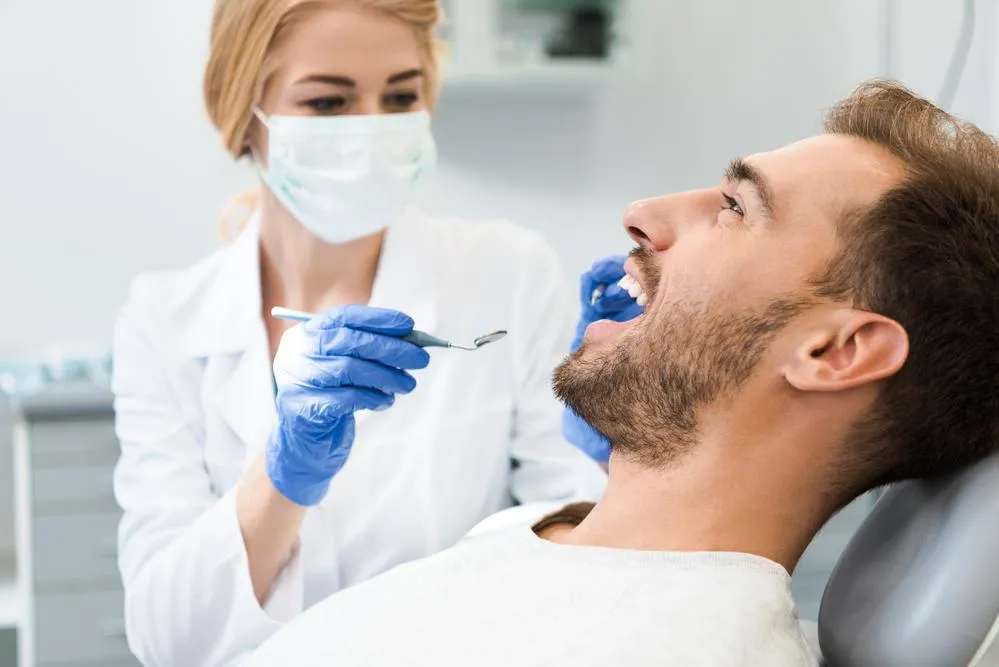
Emergency Dentist Downtown Tulsa | Same-Day Emergency Dental Care
Downtown Tulsa emergencies hit harder because pain isn’t your only problem—time and logistics matter. You might be at work, stuck between meetings, or trying to get through the day while a toothache does its best to ruin everything.
If you’re searching for an emergency dentist near Downtown Tulsa, you want fast scheduling, clear answers, and treatment options that make sense. You’re not looking for “educational content.” You’re looking for relief.
Call Now for Same-Day Emergency Dental Care

People Also Ask: Can I get a same-day emergency dentist appointment downtown?
Often yes, especially for pain, swelling, trauma, broken teeth, and lost crowns. Call early for best availability.
Common Downtown Tulsa emergency calls
We frequently help patients with:
Severe toothaches that make focusing impossible
Broken teeth from old dental work failing
Crowns that fell off before events, travel, or work
Swollen gums/facial swelling
Dental injuries from accidents and falls
Downtown patients often delay because they’re busy. That delay usually makes the problem worse.
When it’s urgent (don’t wait)
Call immediately if you have:
Facial swelling (especially spreading)
Fever with tooth pain
Drainage/bad taste
Trouble swallowing or breathing
Bleeding that won’t stop
These symptoms can signal infection or trauma that needs urgent evaluation.
What happens at a same-day emergency visit
Emergency dentistry is built for speed:
Focused exam
X-rays when needed
Stabilize: stop pain and protect the tooth
Treat same-day when appropriate or set the fastest plan forward
Same-day outcomes may include:
Temporary restorations
Stabilizing broken edges/cracks
Re-cementing a crown or temporary coverage
Extraction when necessary
Urgent planning for root canal care if needed
Why people call us the “best” downtown option
“Best” isn’t a trophy—it’s what patients experience:
We respond fast
We communicate clearly
We prioritize urgent cases
We offer payment options
We don’t waste your time
That’s the difference between “eventually seen” and “handled now.”
Insurance, cash pay, and payment plans
We work with:
Most major dental insurance
Cash pay patients
Payment plans available (where offered)
No insurance? Still call. Early stabilization is often the cheapest version of an emergency.
Weekends, holidays, and 24/7 phone support
Emergencies don’t care about business hours. We offer weekend and holiday appointment options and 24/7 phone support. (Add internal link to Post #4 here.)
What to bring to your appointment
Photo ID
Insurance card (if applicable)
Medications/allergies list
Crown/broken pieces if you have them
What to do right now
Avoid chewing on that side
Gentle warm salt water rinse
Cold compress for swelling
OTC meds as directed
Save any broken pieces and bring them
Downtown Tulsa coverage areas
Downtown Tulsa
Arts District / Blue Dome adjacent areas
Midtown Tulsa nearby
Broken Arrow nearby
Related Emergency Dental Care in Tulsa
Emergency dentist in Tulsa
Call Now for Same-Day Emergency Dental Care
FAQs
Can you see me today downtown?
Often yes—call early for best availability.Do you take insurance?
Yes—most major dental insurance is accepted.Is cash pay accepted?
Yes.Are payment plans available?
Payment plans may be available depending on provider.Is swelling urgent?
Yes—call immediately if swelling is worsening.Should I go to the ER?
If you have trouble breathing/swallowing or severe swelling, go to the ER.

Affordable Insurance With Personal Service - Local Agents & Brokers
All Rights Reserved | Washington Earthquake & Flood Insurance
Privacy Policy | Disclaimer Terms & Conditions
Contact Us


