
Seattle Washington Home Insurance Agents
Your home is probably the safest place you’ll ever think of. The security and comfortability it gives are enough to invest in to protect itself from the outside element. Home insurance coverage is built for private residences. It is a perfect shield to protect your home during a disaster.
Main Benefits Of Home Insurance Benefits & Coverage
Dwelling Coverage
The dwelling coverage of home insurance is an important part of your policy. This coverage helps pay for repairs or replacement of your home if disaster strikes. However, not all dwellings are equally covered. Disaster-prone areas will pay more for insurance.
Structure
Aside from the structure of your home, a detached garage or shed can also cover under your homeowner's insurance. Usually, other structure coverage is included in the homeowner's insurance policy and does not require an additional premium.
Personal Belonging
Stuff you own—furniture, electronics, sporting goods, and clothing can help you protect or even replace through homeowners policy after the event of loss, fire, or theft.
Liability
This type of insurance pays out for bodily injury or property damage claims brought against you as a legally responsible party. Home insurance policy to protect yourself from this risk.

Guide To The Right Home Insurance
Coverage
There are many different types of home insurance policies, but they all serve the same basic purpose—to protect your property. By understanding each component of homeowners insurance, you can make an informed decision about your home's protection.
Determining how much coverage you need is the most important when acquiring a policy. Most homeowners find that H0-1 coverage is adequate for their needs. H0-1 will pay for the structure of the house and any attached structures, including garages and sheds.
A broad-form policy will cover more losses than H0-1 insurance. It will also cover any additional living expenses. In addition to basic coverage, there are more extensive forms of policy. If you have more expensive items, you should choose an H0-3 home insurance policy that covers personal possessions.
To choose the best coverage, you should compare the different types of home insurance. You can save a lot when you choose to shop around. Many providers offer discounts for purchasing multiple policies with a single provider. Agents and brokers understand the difference between homeowners' needs. Don’t be shy to ask them to help you find the best level of protection you need for your home.
Types Of Homeowners Insurance
Shopping for home insurance may be overwhelming, but this policy comes with numerous options. Each option comes with different needs and benefits. Always ask your providers for more suggestions, as we believed every home has its own needs.

HO-1
Also known as the basic form of a homeowners policy is fairly basic since your home will be covered at its actual cash value. At some point, personal belongings can be covered under HO-1.
HO-2
a broad form of HO-1. It provides coverage for a broader variety of perils like home at its replacement cost. While the personal property will be covered at its actual cash value.
HO-3
The most common home policy covers replacement costs and personal property at actual cash value, with an option for replacement coverage.
HO-4
Is called renter’s insurance. It is specially designed for those who are renting or leasing.
HO-5
probably the highest level of coverage for single-family homes. It may seem similar to HO-3 but with more protection and few components.
HO-6
condo insurance for unit owners. Another special type of policy for those owners who live in co-ops or condominiums.
HO-7
Is insurance specially designed for mobile houses, they provide the same benefit and coverage as HO-3.
HO-8
Provides coverage for a house that does not meet the insurers’ standards. This means that the home is at high risk of loss or damage.
Flood Insurance Experts
Flood Insurance Experts
Who Should Get Home Insurance
Getting home insurance will depend on your situation. If you have a new home that you plan to live in, getting home insurance should be one of your top priorities. Not only does it protect your new investment, but it also ensures that you will be able to stay in the home if something bad should happen to it. The best way to determine what type of policy you need is to shop around.
While it is not a legal requirement, mortgage lenders often require it. It's also a good idea to protect your investment, as it provides liability and property coverage. It's also a great safety net, as it will pay to replace stolen or damaged possessions, as well as cover living expenses while your home is being repaired or unhabitable. You can choose to purchase a home warranty, but it's still recommended that you get some type of insurance policy.
The amount of coverage you purchase is important too. A policy should have enough coverage for your net worth, which is your assets and debts minus your liabilities. If you live a high-risk lifestyle, you may want to upgrade to a higher liability limit. A homeowner's insurance policy should also cover any additional assets you may have, like a swimming pool. If you live in an area that is regularly struck by storms, it may be worth considering purchasing umbrella insurance to cover additional costs.

How Affordable Homeowners Insurance Is
In order to determine how affordable homeowners insurance is, you must first understand the various types of coverage. Some policies cover many things, while others may only cover a limited number.
As standard homeowners insurance may not cover your entire house, it will cover any valuables you keep inside. It may even cover liability costs and extra living expenses, such as paying for a hotel.
Homeowners' insurance policies typically cover a wide variety of perils and threats, including fire, theft, vandalism, and windstorms.
The cost of insurance varies from carrier to carrier, so make sure to compare several quotes before deciding on the policy.
The average cost of homeowners insurance in a ZIP code is usually accurate, as companies know the value of homes in your neighborhood, the number of claims, and whether the area has a professional fire department.
Normally, older houses cost more to insure, so you may want to opt to buy when you just purchase your home. While these tend to be more expensive to replace, newer homes often qualify for discounts.
The cost of homeowners insurance varies by state and it is largely determined by location, as well as weather conditions. Insurers are not required to raise premiums by the same amount no matter where you live. Depending on your location, you may be able to find an affordable policy, if you know what to look for.

Washington State, Earthquake & Flood Insurance Trusted Provider
Do you have any questions/concerns?
We work with multiple carriers for your convenience.
News & Blogs
Wisdom Tooth Swelling in Spokane? Find Emergency Dental Care
Swelling near the back of your mouth can make eating, chewing, and opening your mouth uncomfortable. If the area around a wisdom tooth becomes swollen or irritated, you may be dealing with a dental problem that needs prompt professional attention.
Wisdom teeth are the last molars to emerge. When there is not enough room for them to come through properly, they can become partially trapped beneath the gums or emerge at an angle. Food and bacteria may collect around the affected area, contributing to inflammation or infection.
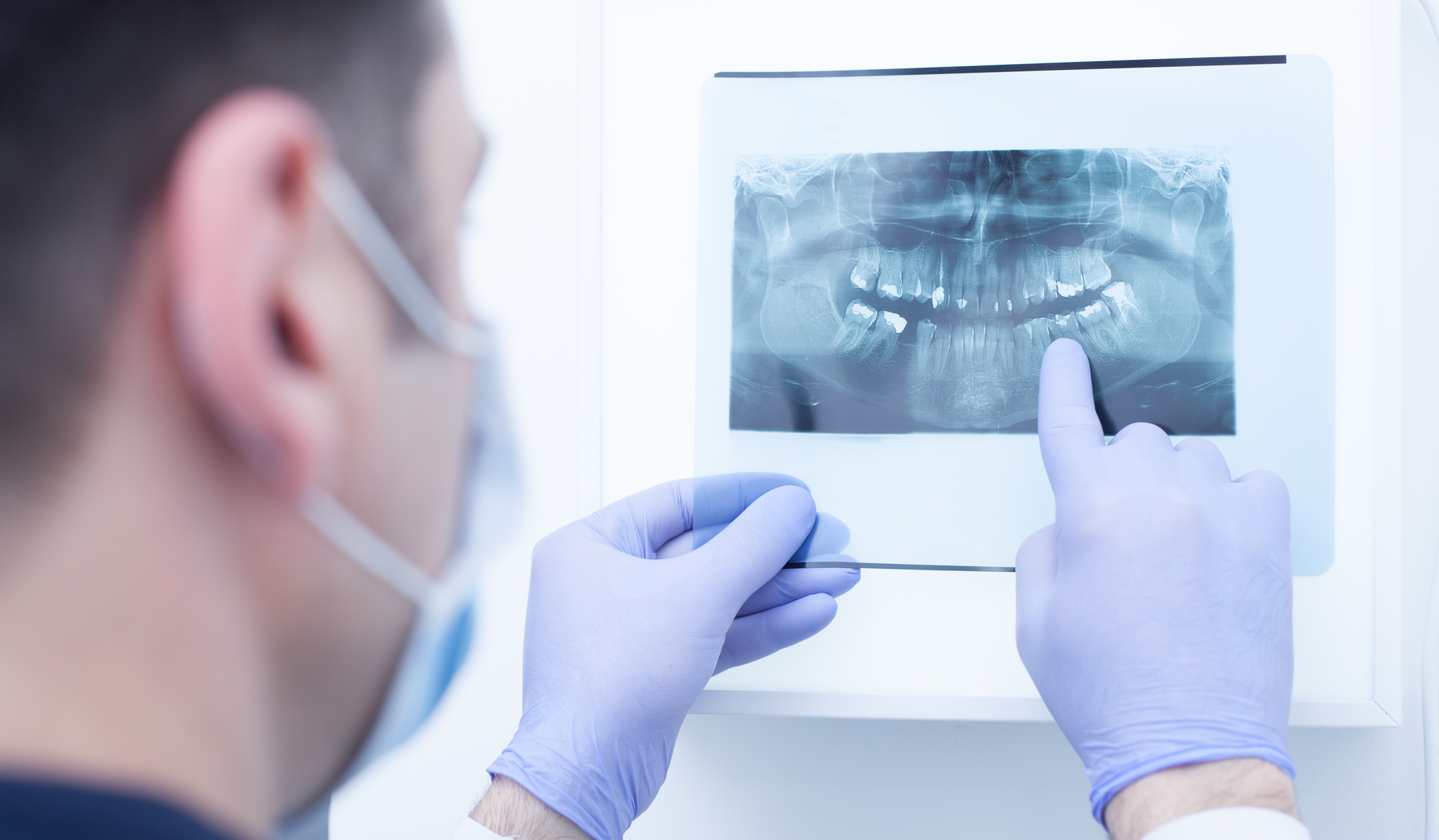
If you are experiencing new swelling near a wisdom tooth, do not rely on guesswork. Emergency Dental Spokane helps connect callers with licensed dental providers in Spokane and surrounding communities. Call (509) 408-3865 for assistance locating available care.
When Does a Wisdom Tooth Problem Require Urgent Attention?
Wisdom tooth complications can develop gradually or become noticeable over a short period. Some symptoms may resemble ordinary gum irritation, while others could indicate a condition requiring urgent evaluation.
Watch for warning signs such as:
Swelling or redness around the gum behind your last molar.
Tenderness when chewing or brushing near the back of your mouth.
An unpleasant taste or fluid coming from the gum.
Difficulty opening your mouth normally.
Swelling extending toward the cheek or jaw.
Food repeatedly becoming trapped around a partially erupted tooth.
These symptoms do not establish a specific diagnosis. They may be consistent with inflammation around a partially erupted wisdom tooth, tooth decay, or another dental condition.
Contact a dental professional promptly if symptoms are worsening or interfering with normal eating and oral hygiene.
Important: If you develop difficulty breathing or swallowing, rapidly spreading facial or neck swelling, or another potentially life-threatening symptom, seek emergency medical care immediately. Call 911 when appropriate rather than waiting for a dental appointment.
What Could Be Causing Swelling Around a Wisdom Tooth?
Several conditions can produce similar symptoms, so an examination is necessary to determine the cause.
1. Inflammation around a partially erupted wisdom tooth
When a wisdom tooth emerges through the gum only partly, a flap of tissue may remain over part of the tooth. Food and bacteria can collect underneath it, potentially causing inflammation known as pericoronitis.
2. Tooth decay
Wisdom teeth are often difficult to clean because of their position at the back of the mouth. Plaque buildup may contribute to decay, which can affect the tooth and surrounding tissues.
3. Gum disease or localized gum irritation
Bacteria, trapped food, and irritation around the back molars may inflame the gums. Similar symptoms can also occur when neighboring teeth or periodontal tissues are affected.
Other possibilities include an infection involving the tooth's inner tissues or a problem with an adjacent molar. Only a qualified dental professional can assess which explanation fits your symptoms.
Avoid trying to diagnose the problem based on swelling alone. A dentist may examine the area and recommend dental imaging to evaluate the position of the wisdom tooth and surrounding structures.
What Treatments Might a Dentist Recommend?
Treatment depends on the cause of the swelling, the position of the tooth, and whether infection or other complications are present.
Possible treatment approaches include:
Professional cleaning and irrigation: A dentist may clean around a partially erupted tooth to remove trapped debris and assess the affected gum tissue.
Medication when indicated: A qualified provider may recommend appropriate medication when clinically necessary. Antibiotics are not required for every case of wisdom tooth inflammation and do not replace treatment of the underlying source.
Wisdom tooth extraction: If the tooth is impacted, repeatedly causes problems, or cannot be maintained appropriately, removal may be recommended.
Additional treatment for an adjacent tooth: If decay or another condition affects a neighboring molar, the dentist may recommend a filling, root canal treatment, or another appropriate procedure.
These options are not suitable for every patient. An examination helps determine whether the tooth can be monitored, needs treatment, or should be removed.
Do not attempt to cut gum tissue, drain swelling, or forcefully clean beneath the gum flap yourself.
Where Can You Find Emergency Wisdom Tooth Care in Spokane?
Searching for a provider while dealing with swelling can be frustrating, especially outside ordinary business hours.
Emergency Dental Spokane operates a phone-based appointment-coordination service that helps callers locate licensed dental providers according to availability.
The website lists coverage in:
Spokane
Spokane Valley
Liberty Lake
Airway Heights
Cheney
Medical Lake
Deer Park
Mead and Colbert
Additional nearby communities may also be served through its provider network.
When calling, explain where the swelling is located, when it began, whether you have difficulty opening your mouth, and whether the swelling is spreading. Mention any fever or difficulty swallowing so the urgency can be assessed appropriately.
Call (509) 408-3865 to request assistance finding an emergency dental provider. The service can help identify appointment options, but the actual clinic, timing, and available treatments must be confirmed.
Take the Next Step for Wisdom Tooth Swelling
Swelling around a wisdom tooth should not be ignored when it is new, persistent, or getting worse. Several dental conditions can produce similar symptoms, and professional assessment is the safest way to identify the cause and determine appropriate treatment.
If you live in Spokane, Spokane Valley, Liberty Lake, Cheney, or a nearby service area, contact Emergency Dental Spokane for help locating a provider.
Call (509) 408-3865 for assistance finding urgent dental care. If you have difficulty breathing or swallowing, seek emergency medical assistance immediately.
Disclaimer: This article provides general information only and should not be construed as professional medical or dental advice, diagnosis, or treatment. Always consult with a licensed dentist or healthcare provider regarding any dental emergency or medical condition.
Affordable Insurance With Personal Service - Local Agents & Brokers

All Rights Reserved | Washington Earthquake & Flood Insurance
Privacy Policy | Disclaimer Terms & Conditions
Contact Us


