
Washington Affordable Flood Insurance
Why buy a flood insurance? Get your affordable flood insurance through competitive rates. Protect your home with trusted provider here in Washington State. Be ready at all times!
Call our agent and get your personalized quote for free!
Primary Benefits Of Flood Insurance
As a homeowner, it is essential to understand why it is necessary to get flood insurance and the risks it poses. Flooding is an unfortunate part of life and can cause extensive damage to your home and personal belongings.
Even if you don't live in a flood zone, flooding can still be disastrous, it can result from snow melt, poor drainage systems, and constant rainfall. The best way to prevent losses from flooding is to buy flood insurance.
Building Coverage
Whether or not you should have building coverage for flood insurance depends on several factors, such as the size and structure of your home. It would be worth buying if you can replace your home when damaged during a flood.
Content Coverage/Personal Belonging
The value of your possessions is an important factor, as a small apartment or studio may require less coverage than a sprawling one-story ranch. When choosing the right coverage amount, make an inventory of all your belongings. If you don't know what you own, it may be a good idea to purchase a separate policy. Coverage limits for contents are determined by ACV, or actual cash value. This refers to the cost of repairing or replacing your belongings, less depreciation, when they are destroyed by water.
Washington Earthquake & Flood Insurance Services
You can buy flood insurance if your house has experienced flooding in the past, but there are some things to keep in mind. First, flood zones are constantly changing, and FEMA helps us ensure that we are fully protected. Determining the flood zones can be found online at the federal government's website. Even if your home isn't in a flood zone, it is still possible to experience repeated heavy rain for days on end.
Second, remember that flood insurance premiums aren't cheap. There are several options available, so make sure to shop around and compare policies. It is also important to remember that coverage has a 30-day waiting period before you can begin receiving benefits. Make sure to read everything in the fine print!
Depending on your home's location, the cost of flood insurance varies. The standard flood insurance policy covers a house up to $250,000, it doesn't cover contents over $100,000. If your home is more than this, consider purchasing an additional private policy to supplement your flood insurance. These policies can be quite expensive, so be sure to compare the different quotes from different providers.
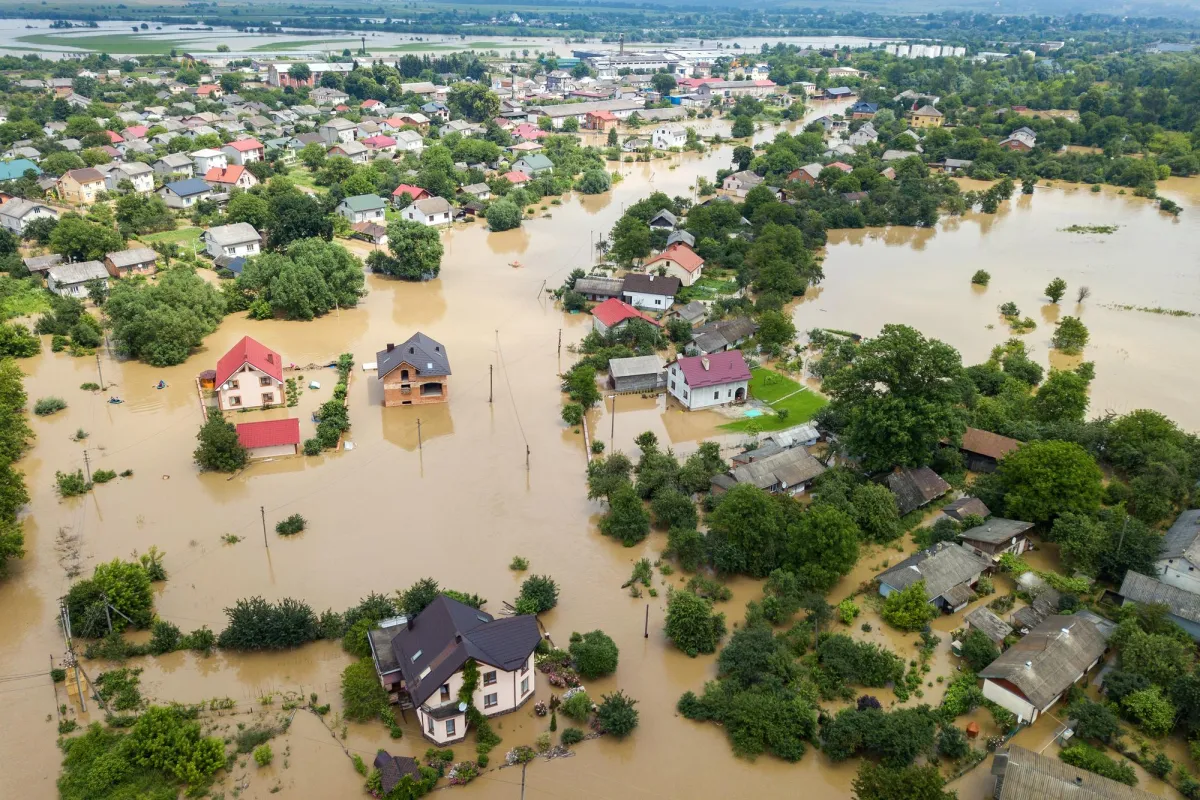
Is Flood Insurance Worth It
Some of you already wondering if buying flood insurance is worth it. Here are some of the reasons why this policy is worth buying. If you live in a flood-prone area consider getting one, before buying consider if you have sufficient insurance coverage. If your house does flood, you may not be able to pay to repair or replace damaged items. It is quite a bit of a responsibility to replace them with your funds. Flood insurance covers both these problems. If you think it is not important, think again and reassess your decision.
Although flood insurance isn't required by lenders, it can be a lifesaver, especially if you live near a flood zone. Flood claims are common and can cost up to $46,000. While this may seem expensive, the cost of flood insurance is negligible when you consider that one foot of water can destroy an average home. It is well worth the price of flood insurance compared to the risk of a costly flood disaster.
The US government has assisted in flood-prone areas, but much of it comes in the form of loans. Furthermore, only about half of flooding events have been declared federal disasters. So if you live in a low-risk flood zone, you may want to consider purchasing flood insurance before a storm hits. Although the cost of the policy may be prohibitive, it could be worth it if you can replace your house in the event of a flood.

The Cost Of Flood Insurance
Most places in the U.S. are at risk for flooding, the location you where will determine your premium. but where your area is at higher risk will determine your premium. Here are some tips for choosing the right flood insurance policy for your needs.
First, make sure your home is elevated. Elevating your home reduces the amount of damage it will be exposed to from floods. Second, you should make sure that your home is protected by a policy that covers your belongings.
Next, decide how much coverage you need. Flood insurance rates are typically higher for high-risk properties. If you live in one of these areas, you will want to get a policy that covers at least 80% of the home's value. You should also choose content coverage, which pays for damaged belongings at actual cash value. Average flood insurance in the U.S. is about $985 per year or $82 per month. The rates will be based depending in many factors such as your state and how much coverage you need.
To simplify things, the higher deductibles the more coverage you’ll get, which means lower premiums. If you do decide to purchase flood insurance, make sure you know how much you want to spend. It is not just a financial decision.
Flood insurance is a necessity, but it is important to take the time to do your research and make an informed decision. Always ask your insurance agent to help you with the decision-making and don’t forget to request free quotes and compare them.
Flood Insurance Experts
Flood Insurance Experts
Common Reasons For Floods
To give your more ideas on why this coverage is necessary, here are some common reasons for floods.
Tropical Storms & Hurricanes
Storms and hurricanes are powerful as well as devastating events for every community when they occur. Aside from damaging the properties, these forms of storms can bring heavy rains accompanied by high winds which may result in floods to the entire road and cities.
Heavy Rains
Constant rain can bring floods and overflow of water sewage. It can happen anytime in the year. The excess water due to flood can immediately damage anywhere it lands.
Flash Floods
Flooding from low-lying areas due to heavy rainfall is extremely dangerous and can tear up trees and destroys properties and buildings.
Mud Flows
Mudflows can add to the cause of floods which are associated with landslides and rapidly moving water to the ground. Even if your home is located on higher ground or elevated, it can be hit by mudflows.
Post Fire Conditions
Wildfires are common in the western states. Soil that has been burned cannot absorb water, meaning an increase in the risk of floods and mudflows.

Washington State, Earthquake & Flood Insurance Trusted Provider
Do you have any questions/concerns?
We work with multiple carriers for your convenience.
Comprehensive Flood & Earthquake Protection for Your Family's Peace of Mind
Washington & Seattle's Top Earthquake & Flood Insurance Specialists

News & Blogs
Reverse Mortgage Planning for Couples in Boise: Protecting Retirement Security
Planning for retirement involves more than deciding how much money you need each month. It also means considering what could happen to your spouse if your household financial circumstances change.
For older couples in Boise, financial security can become a significant concern when one spouse has a lower retirement income, unexpected healthcare expenses arise, or household resources become limited.

A reverse mortgage may provide eligible homeowners with access to some of their accumulated home equity. However, couples must understand how the loan could affect both spouses, particularly if one spouse is not included as a borrower.
This is an important consideration before applying for an FHA-insured Home Equity Conversion Mortgage.
Reverse Mortgage Boise offers HECM and proprietary reverse mortgage guidance to help Idaho homeowners examine available options and understand the financial implications of borrowing against their homes.
Why Couples Should Consider Both Spouses When Planning a Reverse Mortgage
A reverse mortgage can affect more than the person whose name appears first on the loan application.
Consider a retired couple who have lived in their Boise home for several decades.
One spouse may meet the applicable borrower requirements while the other spouse is younger or otherwise not included as a borrower.
Although the loan may initially appear suitable for their household, the couple must understand what happens if the borrowing spouse dies or permanently moves out.
Important planning considerations include:
Whether both spouses qualify as borrowers.
Whether either spouse is a non-borrowing spouse.
Whether the non-borrowing spouse may qualify for applicable HUD protections.
How the loan could affect future housing arrangements.
Whether the household can continue meeting property-related obligations.
These questions should be discussed before signing loan documents.
Understanding Eligible Non-Borrowing Spouse Protections
FHA-insured HECM loans include specific provisions for eligible non-borrowing spouses.
Depending on HUD requirements and the circumstances of the loan, an eligible non-borrowing spouse may qualify for a deferral of the loan's due-and-payable status after the borrowing spouse dies.
This protection is not automatic for every spouse.
Eligibility depends on applicable program requirements, including factors related to marital status, occupancy, and continued compliance with required conditions.
A non-borrowing spouse may also be subject to restrictions, including the inability to receive additional HECM proceeds after the borrower dies.
Because these protections are specific to the FHA-insured HECM program, couples should not assume that proprietary reverse mortgage products provide identical treatment.
Understanding the loan documents and applicable protections is essential before proceeding.
Consumer Financial Protection Bureau+2
Three Important Financial Planning Steps for Couples Considering a Reverse Mortgage
Couples should evaluate their financial situation together before accessing home equity.
1. Review household retirement income
Consider Social Security benefits, pensions, retirement distributions, savings, and other household resources.
Understanding the income available to each spouse can help identify whether additional financial flexibility is needed.
2. Review future housing and healthcare needs
Consider what could happen if one spouse requires assisted living, long-term care, or an extended stay in a healthcare facility.
For HECM loans, occupancy requirements may affect when the loan becomes due and payable. Specific exceptions and protections may apply, so professional guidance is important.
3. Discuss inheritance and estate planning
A reverse mortgage can reduce the equity remaining in a property over time.
Couples should discuss how the loan may affect their estate plans and communicate with family members about possible future repayment arrangements.
These discussions can help prevent confusion and financial disagreements later.
What Reverse Mortgage Options Should Boise Couples Compare?
Reverse Mortgage Boise offers several financing services that may be relevant to retirement planning.
HECM reverse mortgage: An FHA-insured program for qualifying homeowners aged 62 or older. It provides specific borrower protections and flexible payment options.
Proprietary reverse mortgage: A privately developed financing option that may be relevant for certain higher-value properties. Its terms and protections depend on the lender and program.
Reverse mortgage refinancing: An existing reverse mortgage may potentially be refinanced if the borrower qualifies and the new arrangement provides a meaningful financial benefit.
However, refinancing can involve new closing costs, interest, and other expenses. Couples should compare the potential benefits against the additional borrowing costs.
Why Personalized Counseling and Loan Estimates Matter
Every household has different retirement priorities.
Some couples want to reduce monthly mortgage obligations. Others need additional resources for healthcare, home improvements, or everyday living expenses.
A personalized reverse mortgage assessment can help identify the potential loan proceeds and explain how different payment arrangements may affect the household.
Reverse Mortgage Boise offers customized estimates and guidance through the loan process.
Its service area includes Boise, Meridian, Eagle, Nampa, Caldwell, Kuna, Star, Middleton, and other Idaho communities.
Before making a decision, couples should also complete the required independent HUD-approved counseling for a HECM and consider discussing the loan with their financial and legal professionals.
Plan Together Before Making a Reverse Mortgage Decision
Your home may be one of your family's most valuable financial assets.
If you and your spouse are considering using that equity to support retirement, understanding borrower eligibility, non-borrowing spouse protections, repayment responsibilities, and inheritance implications is essential.
A reverse mortgage may provide financial flexibility for some households, but the right arrangement depends on the couple's circumstances and long-term plans.
Contact Reverse Mortgage Boise through its website to discuss HECM options, review proprietary programs, and request a customized reverse mortgage assessment for your household.
Disclaimer: This article provides general financial information only and should not be construed as professional financial, legal, tax, or mortgage advice. Reverse mortgage eligibility, costs, and benefits depend on individual circumstances. Spousal protections vary according to applicable program requirements. Always consult with qualified financial, legal, tax, and mortgage professionals before making a financial decision.

Affordable Insurance With Personal Service - Local Agents & Brokers
All Rights Reserved | Washington Earthquake & Flood Insurance
Privacy Policy | Disclaimer Terms & Conditions
Contact Us


