
Washington Affordable Flood Insurance
Why buy a flood insurance? Get your affordable flood insurance through competitive rates. Protect your home with trusted provider here in Washington State. Be ready at all times!
Call our agent and get your personalized quote for free!
Primary Benefits Of Flood Insurance
As a homeowner, it is essential to understand why it is necessary to get flood insurance and the risks it poses. Flooding is an unfortunate part of life and can cause extensive damage to your home and personal belongings.
Even if you don't live in a flood zone, flooding can still be disastrous, it can result from snow melt, poor drainage systems, and constant rainfall. The best way to prevent losses from flooding is to buy flood insurance.
Building Coverage
Whether or not you should have building coverage for flood insurance depends on several factors, such as the size and structure of your home. It would be worth buying if you can replace your home when damaged during a flood.
Content Coverage/Personal Belonging
The value of your possessions is an important factor, as a small apartment or studio may require less coverage than a sprawling one-story ranch. When choosing the right coverage amount, make an inventory of all your belongings. If you don't know what you own, it may be a good idea to purchase a separate policy. Coverage limits for contents are determined by ACV, or actual cash value. This refers to the cost of repairing or replacing your belongings, less depreciation, when they are destroyed by water.
Washington Earthquake & Flood Insurance Services
You can buy flood insurance if your house has experienced flooding in the past, but there are some things to keep in mind. First, flood zones are constantly changing, and FEMA helps us ensure that we are fully protected. Determining the flood zones can be found online at the federal government's website. Even if your home isn't in a flood zone, it is still possible to experience repeated heavy rain for days on end.
Second, remember that flood insurance premiums aren't cheap. There are several options available, so make sure to shop around and compare policies. It is also important to remember that coverage has a 30-day waiting period before you can begin receiving benefits. Make sure to read everything in the fine print!
Depending on your home's location, the cost of flood insurance varies. The standard flood insurance policy covers a house up to $250,000, it doesn't cover contents over $100,000. If your home is more than this, consider purchasing an additional private policy to supplement your flood insurance. These policies can be quite expensive, so be sure to compare the different quotes from different providers.
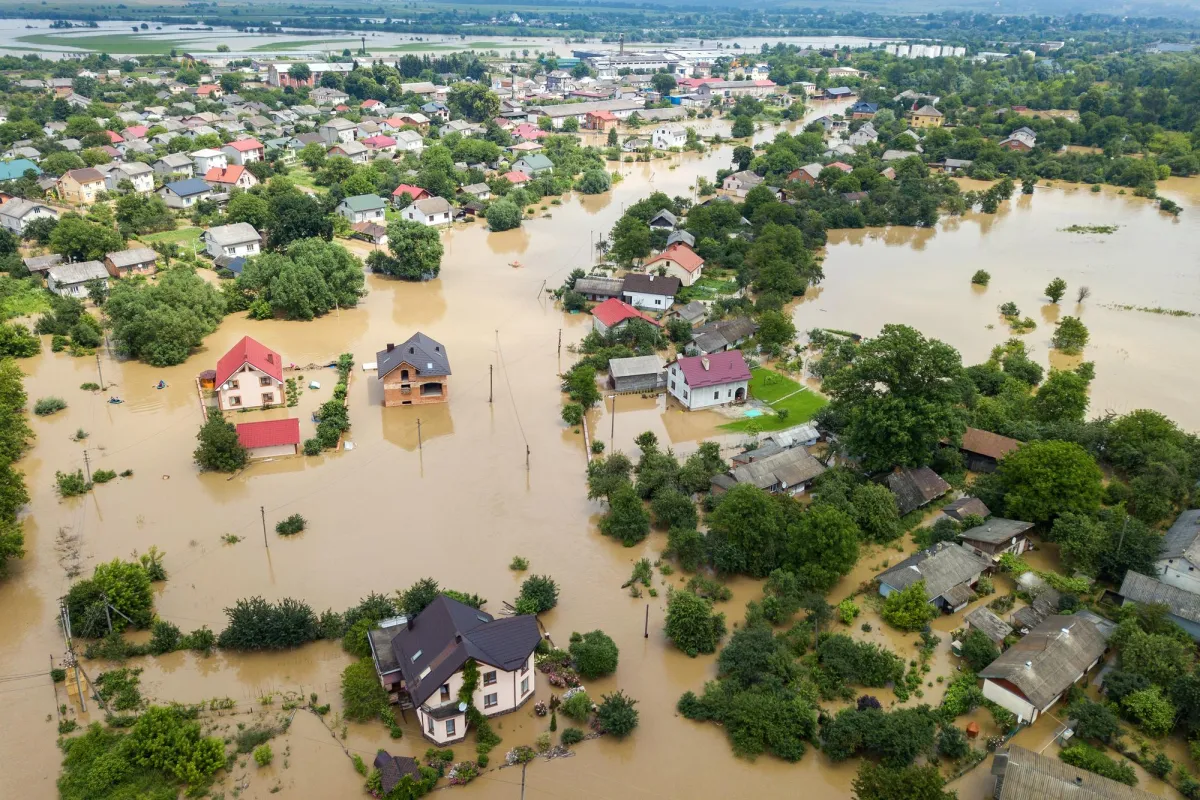
Is Flood Insurance Worth It
Some of you already wondering if buying flood insurance is worth it. Here are some of the reasons why this policy is worth buying. If you live in a flood-prone area consider getting one, before buying consider if you have sufficient insurance coverage. If your house does flood, you may not be able to pay to repair or replace damaged items. It is quite a bit of a responsibility to replace them with your funds. Flood insurance covers both these problems. If you think it is not important, think again and reassess your decision.
Although flood insurance isn't required by lenders, it can be a lifesaver, especially if you live near a flood zone. Flood claims are common and can cost up to $46,000. While this may seem expensive, the cost of flood insurance is negligible when you consider that one foot of water can destroy an average home. It is well worth the price of flood insurance compared to the risk of a costly flood disaster.
The US government has assisted in flood-prone areas, but much of it comes in the form of loans. Furthermore, only about half of flooding events have been declared federal disasters. So if you live in a low-risk flood zone, you may want to consider purchasing flood insurance before a storm hits. Although the cost of the policy may be prohibitive, it could be worth it if you can replace your house in the event of a flood.

The Cost Of Flood Insurance
Most places in the U.S. are at risk for flooding, the location you where will determine your premium. but where your area is at higher risk will determine your premium. Here are some tips for choosing the right flood insurance policy for your needs.
First, make sure your home is elevated. Elevating your home reduces the amount of damage it will be exposed to from floods. Second, you should make sure that your home is protected by a policy that covers your belongings.
Next, decide how much coverage you need. Flood insurance rates are typically higher for high-risk properties. If you live in one of these areas, you will want to get a policy that covers at least 80% of the home's value. You should also choose content coverage, which pays for damaged belongings at actual cash value. Average flood insurance in the U.S. is about $985 per year or $82 per month. The rates will be based depending in many factors such as your state and how much coverage you need.
To simplify things, the higher deductibles the more coverage you’ll get, which means lower premiums. If you do decide to purchase flood insurance, make sure you know how much you want to spend. It is not just a financial decision.
Flood insurance is a necessity, but it is important to take the time to do your research and make an informed decision. Always ask your insurance agent to help you with the decision-making and don’t forget to request free quotes and compare them.
Flood Insurance Experts
Flood Insurance Experts
Common Reasons For Floods
To give your more ideas on why this coverage is necessary, here are some common reasons for floods.
Tropical Storms & Hurricanes
Storms and hurricanes are powerful as well as devastating events for every community when they occur. Aside from damaging the properties, these forms of storms can bring heavy rains accompanied by high winds which may result in floods to the entire road and cities.
Heavy Rains
Constant rain can bring floods and overflow of water sewage. It can happen anytime in the year. The excess water due to flood can immediately damage anywhere it lands.
Flash Floods
Flooding from low-lying areas due to heavy rainfall is extremely dangerous and can tear up trees and destroys properties and buildings.
Mud Flows
Mudflows can add to the cause of floods which are associated with landslides and rapidly moving water to the ground. Even if your home is located on higher ground or elevated, it can be hit by mudflows.
Post Fire Conditions
Wildfires are common in the western states. Soil that has been burned cannot absorb water, meaning an increase in the risk of floods and mudflows.

Washington State, Earthquake & Flood Insurance Trusted Provider
Do you have any questions/concerns?
We work with multiple carriers for your convenience.
Comprehensive Flood & Earthquake Protection for Your Family's Peace of Mind
Washington & Seattle's Top Earthquake & Flood Insurance Specialists

News & Blogs
Jumbo Reverse Mortgage in Boise: Options for High-Value Homes
Owning a valuable home does not necessarily mean having enough available cash to support your retirement lifestyle.
Many older homeowners in Boise, Eagle, and Meridian have spent decades building substantial property equity. However, after retirement, their regular income may no longer be sufficient to comfortably cover healthcare expenses, household costs, home improvements, and other financial responsibilities.
This can create a frustrating situation: you have significant wealth tied up in your property, but accessing that wealth without selling your home may be difficult.
For homeowners with higher-value properties, a proprietary or jumbo reverse mortgage may be worth investigating.

Reverse Mortgage Boise offers proprietary reverse mortgage guidance alongside traditional Home Equity Conversion Mortgage services. Understanding the differences between these options can help homeowners determine which financing arrangement may be appropriate for their financial circumstances.
Why High-Value Homeowners May Need Additional Retirement Financing
A valuable property can provide long-term financial security, but its equity is not automatically available for everyday expenses.
Several situations can create financial pressure even when a homeowner owns a high-value property.
Rising retirement expenses: Healthcare, household services, and everyday living costs may increase as retirement progresses.
Limited retirement income: Social Security, pensions, and investment distributions may not provide sufficient monthly cash flow.
Major property improvements: Maintaining a larger home can require significant spending on repairs, accessibility modifications, and general upkeep.
Financial support for family: Some retirees also help adult children or other relatives with unexpected expenses.
Selling the property might release its equity, but homeowners who want to remain in their homes may prefer to explore financing alternatives first.
A reverse mortgage assessment can help determine whether existing equity may provide another financial resource.
What Is a Jumbo Reverse Mortgage?
A proprietary reverse mortgage, commonly called a jumbo reverse mortgage, is a privately developed reverse mortgage product.
Unlike the FHA-insured HECM program, proprietary products are not insured by the Federal Housing Administration and have their own lender-specific eligibility requirements, loan limits, pricing, and protections.
These products may be relevant to homeowners whose property values exceed the applicable HECM lending limit or whose circumstances make a proprietary product worth comparing.
Potential advantages, depending on the actual program, may include:
Access to different loan amounts for qualifying high-value properties.
Alternative eligibility requirements.
Different loan structures and disbursement arrangements.
Financing opportunities for homeowners who want to remain in their primary residence.
However, proprietary reverse mortgages do not automatically provide better terms or larger net proceeds for every homeowner.
Fees, interest structures, repayment requirements, and borrower protections must be examined carefully.
Reverse Mortgage Boise offers comparisons between HECM and proprietary reverse mortgage options to help homeowners understand the differences.
HECM vs. Jumbo Reverse Mortgage: Which Should You Compare?
Homeowners with substantial equity should avoid choosing a loan based only on the advertised amount.
Three financing approaches may deserve consideration.
1. FHA-insured HECM
The Home Equity Conversion Mortgage is the most common reverse mortgage program. It is generally available to eligible homeowners aged 62 or older and includes FHA program protections.
The amount available depends on factors including the youngest borrower's age, interest rates, and the applicable property value or FHA lending limit.
2. Proprietary jumbo reverse mortgage
A jumbo product may provide an alternative for certain high-value properties. Its loan amount, eligibility rules, pricing, and protections depend on the specific lender and program.
3. Traditional home equity financing
A home equity loan or line of credit may offer another way to access property equity. However, these products generally require scheduled payments and qualification based on income and credit factors.
The best comparison should consider net proceeds, total borrowing costs, ongoing responsibilities, and the homeowner's long-term plans.
How Homeowners in Eagle, Meridian, and Boise Can Evaluate Their Equity
Property values can vary considerably throughout the Treasure Valley.
A homeowner in Eagle may have a different property value and financing situation than someone in central Boise or Nampa.
Before exploring a jumbo reverse mortgage, gather relevant financial and property information.
Consider preparing:
Your estimated current home value.
Your existing mortgage balance.
Any outstanding liens or property-related obligations.
Your age and household circumstances.
Your retirement income and financial objectives.
Your anticipated housing and healthcare expenses.
Reverse Mortgage Boise offers customized estimates using information about the homeowner's age, property value, and existing mortgage.
This process can help identify potential financing options and clarify how loan costs affect available proceeds.
Understand the Long-Term Implications Before Using Your Equity
A reverse mortgage may provide additional financial flexibility, but homeowners should consider the effect on their future equity.
Interest and fees generally accumulate on the outstanding balance. As the balance increases, the equity remaining in the property may decrease.
Borrowers must also continue satisfying the loan's applicable requirements.
For HECM loans, these include maintaining the property as a primary residence, paying property taxes and homeowners insurance, and keeping the home in acceptable condition.
Proprietary products may have different requirements, so borrowers should review their specific agreements.
It is also important to consider how the financing arrangement could affect family members and future inheritance plans.
Explore Jumbo Reverse Mortgage Options for Your Boise Property
If you own a high-value home but need additional retirement resources, selling your property is not the only option worth investigating.
A proprietary jumbo reverse mortgage may be worth comparing with an FHA-insured HECM and traditional home equity financing.
Reverse Mortgage Boise helps homeowners examine these alternatives through customized estimates and loan comparisons.
Contact Reverse Mortgage Boise through its website to discuss jumbo reverse mortgage possibilities, compare available financing structures, and understand how your property's equity may support your retirement goals.
Disclaimer: This article provides general financial information only and should not be construed as professional financial, legal, tax, or mortgage advice. Reverse mortgage eligibility, costs, and benefits depend on individual circumstances. Proprietary reverse mortgage products are not FHA-insured HECM loans. Always consult with qualified financial, legal, tax, and mortgage professionals before making a financial decision.

Affordable Insurance With Personal Service - Local Agents & Brokers
All Rights Reserved | Washington Earthquake & Flood Insurance
Privacy Policy | Disclaimer Terms & Conditions
Contact Us


