
Washington Affordable Flood Insurance
Why buy a flood insurance? Get your affordable flood insurance through competitive rates. Protect your home with trusted provider here in Washington State. Be ready at all times!
Call our agent and get your personalized quote for free!
Primary Benefits Of Flood Insurance
As a homeowner, it is essential to understand why it is necessary to get flood insurance and the risks it poses. Flooding is an unfortunate part of life and can cause extensive damage to your home and personal belongings.
Even if you don't live in a flood zone, flooding can still be disastrous, it can result from snow melt, poor drainage systems, and constant rainfall. The best way to prevent losses from flooding is to buy flood insurance.
Building Coverage
Whether or not you should have building coverage for flood insurance depends on several factors, such as the size and structure of your home. It would be worth buying if you can replace your home when damaged during a flood.
Content Coverage/Personal Belonging
The value of your possessions is an important factor, as a small apartment or studio may require less coverage than a sprawling one-story ranch. When choosing the right coverage amount, make an inventory of all your belongings. If you don't know what you own, it may be a good idea to purchase a separate policy. Coverage limits for contents are determined by ACV, or actual cash value. This refers to the cost of repairing or replacing your belongings, less depreciation, when they are destroyed by water.
Washington Earthquake & Flood Insurance Services
You can buy flood insurance if your house has experienced flooding in the past, but there are some things to keep in mind. First, flood zones are constantly changing, and FEMA helps us ensure that we are fully protected. Determining the flood zones can be found online at the federal government's website. Even if your home isn't in a flood zone, it is still possible to experience repeated heavy rain for days on end.
Second, remember that flood insurance premiums aren't cheap. There are several options available, so make sure to shop around and compare policies. It is also important to remember that coverage has a 30-day waiting period before you can begin receiving benefits. Make sure to read everything in the fine print!
Depending on your home's location, the cost of flood insurance varies. The standard flood insurance policy covers a house up to $250,000, it doesn't cover contents over $100,000. If your home is more than this, consider purchasing an additional private policy to supplement your flood insurance. These policies can be quite expensive, so be sure to compare the different quotes from different providers.
Is Flood Insurance Worth It
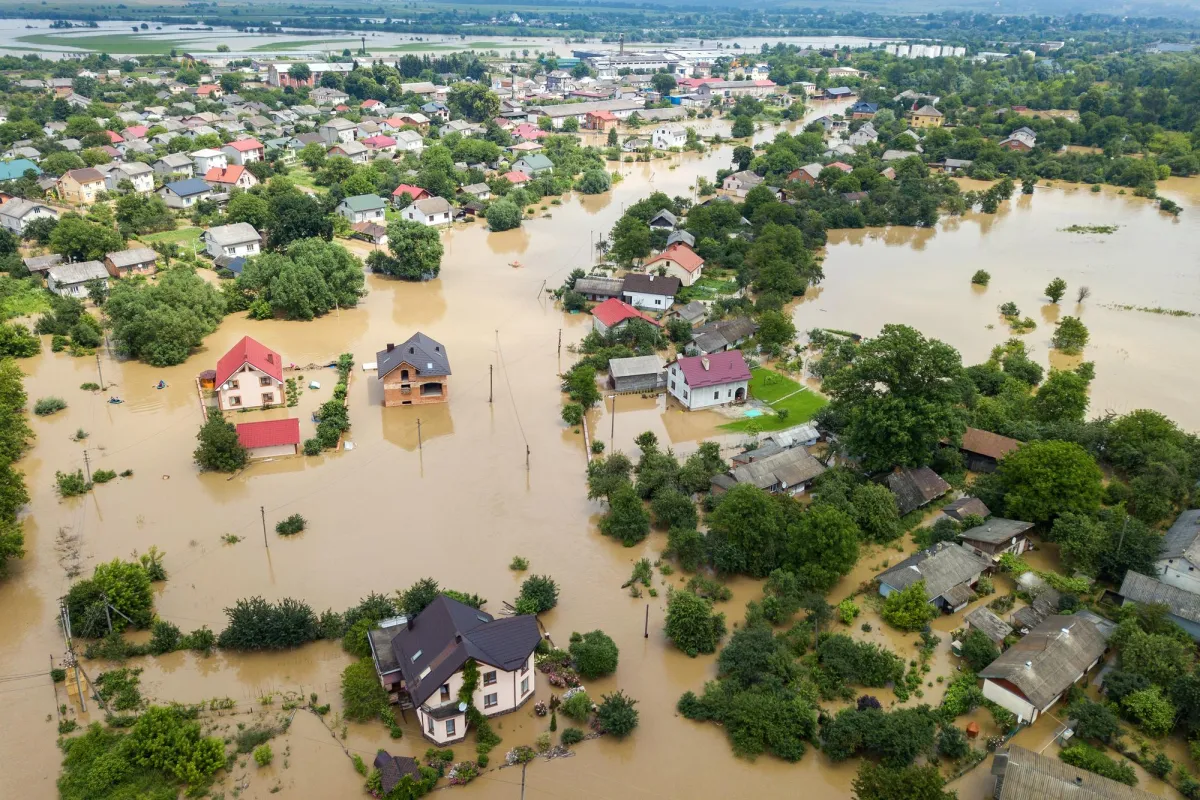
Some of you already wondering if buying flood insurance is worth it. Here are some of the reasons why this policy is worth buying. If you live in a flood-prone area consider getting one, before buying consider if you have sufficient insurance coverage. If your house does flood, you may not be able to pay to repair or replace damaged items. It is quite a bit of a responsibility to replace them with your funds. Flood insurance covers both these problems. If you think it is not important, think again and reassess your decision.
Although flood insurance isn't required by lenders, it can be a lifesaver, especially if you live near a flood zone. Flood claims are common and can cost up to $46,000. While this may seem expensive, the cost of flood insurance is negligible when you consider that one foot of water can destroy an average home. It is well worth the price of flood insurance compared to the risk of a costly flood disaster.
The US government has assisted in flood-prone areas, but much of it comes in the form of loans. Furthermore, only about half of flooding events have been declared federal disasters. So if you live in a low-risk flood zone, you may want to consider purchasing flood insurance before a storm hits. Although the cost of the policy may be prohibitive, it could be worth it if you can replace your house in the event of a flood.

The Cost Of Flood Insurance
Most places in the U.S. are at risk for flooding, the location you where will determine your premium. but where your area is at higher risk will determine your premium. Here are some tips for choosing the right flood insurance policy for your needs.
First, make sure your home is elevated. Elevating your home reduces the amount of damage it will be exposed to from floods. Second, you should make sure that your home is protected by a policy that covers your belongings.
Next, decide how much coverage you need. Flood insurance rates are typically higher for high-risk properties. If you live in one of these areas, you will want to get a policy that covers at least 80% of the home's value. You should also choose content coverage, which pays for damaged belongings at actual cash value. Average flood insurance in the U.S. is about $985 per year or $82 per month. The rates will be based depending in many factors such as your state and how much coverage you need.
To simplify things, the higher deductibles the more coverage you’ll get, which means lower premiums. If you do decide to purchase flood insurance, make sure you know how much you want to spend. It is not just a financial decision.
Flood insurance is a necessity, but it is important to take the time to do your research and make an informed decision. Always ask your insurance agent to help you with the decision-making and don’t forget to request free quotes and compare them.
Flood Insurance Experts
Flood Insurance Experts
Common Reasons For Floods
To give your more ideas on why this coverage is necessary, here are some common reasons for floods.
Tropical Storms & Hurricanes
Storms and hurricanes are powerful as well as devastating events for every community when they occur. Aside from damaging the properties, these forms of storms can bring heavy rains accompanied by high winds which may result in floods to the entire road and cities.
Heavy Rains
Constant rain can bring floods and overflow of water sewage. It can happen anytime in the year. The excess water due to flood can immediately damage anywhere it lands.
Flash Floods
Flooding from low-lying areas due to heavy rainfall is extremely dangerous and can tear up trees and destroys properties and buildings.
Mud Flows
Mudflows can add to the cause of floods which are associated with landslides and rapidly moving water to the ground. Even if your home is located on higher ground or elevated, it can be hit by mudflows.
Post Fire Conditions
Wildfires are common in the western states. Soil that has been burned cannot absorb water, meaning an increase in the risk of floods and mudflows.

Washington State, Earthquake & Flood Insurance Trusted Provider
Do you have any questions/concerns?
We work with multiple carriers for your convenience.
Comprehensive Flood & Earthquake Protection for Your Family's Peace of Mind
Washington & Seattle's Top Earthquake & Flood Insurance Specialists

News & Blogs
Facing Unexpected Medical Bills in Pittsburgh? Explore Your Home Equity Options
An unexpected medical expense can create serious financial pressure, particularly for homeowners living on a fixed retirement income.
You may have planned your retirement budget carefully, only to encounter unexpected hospital bills, specialist appointments, ongoing treatment expenses, or additional healthcare costs.
The situation can become even more stressful when your savings are limited and your monthly retirement income is already committed to essential household expenses.

For Pittsburgh homeowners who have accumulated equity in their properties, exploring a reverse mortgage may be one way to investigate additional financial resources.
Reverse mortgages allow eligible homeowners to borrow against a portion of their home's equity. Depending on the loan structure, proceeds may be available for various personal expenses, including eligible medical costs.
Before considering this option, however, it is important to understand the available programs, potential expenses, and long-term financial implications.
Why Medical Expenses Can Disrupt a Retirement Budget
Healthcare expenses can be difficult to predict.
Even with Medicare or other health coverage, retirees may encounter out-of-pocket costs that place additional pressure on their finances.
Some examples include:
Hospital deductibles and uncovered services.
Dental, vision, and hearing expenses.
Specialist appointments and diagnostic testing.
Prescription medication expenses.
Home accessibility modifications.
Long-term care and assistance-related expenses.
These costs can arrive unexpectedly, making it difficult to maintain a comfortable retirement budget.
Some Pittsburgh homeowners may have considerable equity in their homes but insufficient liquid savings to handle an immediate financial need.
That difference between property wealth and available cash is one reason some seniors investigate reverse mortgage financing.
Could a Reverse Mortgage Help With Medical Expenses?
A reverse mortgage is a loan that allows eligible homeowners to access some of their property's equity.
With a HECM, qualifying borrowers generally must be at least 62 years old and use the property as their principal residence.
Depending on the loan terms and payment structure, the borrower may receive proceeds as a lump sum, monthly payments, a line of credit, or a combination of options.
These proceeds may potentially be used toward:
Outstanding medical expenses.
Healthcare-related transportation.
Home modifications that support accessibility.
Other household and personal financial needs.
However, the amount available is not guaranteed. It depends on property value, borrower eligibility, existing liens, interest rates, and other underwriting factors.
A reverse mortgage also increases the debt secured by your home. It should therefore be evaluated against the total expected cost of your healthcare needs and other available funding sources.
Comparing HECM and Proprietary Reverse Mortgage Programs
Two reverse mortgage options worth researching are HECM loans and proprietary reverse mortgages.
HECM loans
The Home Equity Conversion Mortgage program is federally insured through the FHA. It has specific eligibility and counseling requirements.
Proprietary reverse mortgages
These are private reverse mortgage products. Their eligibility rules, property-value limits, fees, and available loan proceeds depend on the individual lender.
A proprietary product may be worth comparing if your Pittsburgh property has a higher market value, although approval and available funds are never guaranteed.
Another possibility is a single-purpose reverse mortgage. Certain programs restrict proceeds to specific approved expenses, so they may not accommodate every medical or personal financial need.
Three Alternatives to Consider Before Borrowing Against Your Home
A reverse mortgage is not the only possible solution to unexpected healthcare expenses.
Before applying, consider these alternatives:
Review existing health coverage. Check whether your Medicare coverage, supplemental insurance, or other benefits may cover some of the expenses.
Explore hospital financial assistance. Some healthcare providers offer payment arrangements or financial assistance for eligible patients.
Consider available community resources. Local senior assistance programs may provide information about healthcare-related financial support.
Comparing these alternatives with reverse mortgage financing can help you avoid borrowing more than necessary.
Understand the Financial Responsibilities Before Applying
A reverse mortgage does not eliminate homeownership expenses.
Borrowers must continue meeting applicable property obligations, including taxes, insurance, and maintenance requirements.
Other considerations include:
Interest and applicable fees increase the loan balance.
Closing expenses may reduce available proceeds.
The loan generally becomes repayable when the borrower sells the property, permanently moves out, or dies, subject to applicable protections.
Remaining home equity available to heirs may decrease.
HECM borrowers must also complete counseling with a HUD-approved counselor before obtaining the loan.
These details deserve careful attention, particularly when medical expenses are already creating financial pressure.
Discuss Your Reverse Mortgage Options in Pittsburgh
When unexpected healthcare expenses threaten your retirement budget, understanding every available option matters.
Reverse Mortgage Pittsburgh provides information about HECM, proprietary, and single-purpose reverse mortgage programs.
If you want to investigate whether your home's equity could help address your financial needs, call +1 208-409-3382.
A discussion about your circumstances, property, and potential financing options can help you determine what questions to ask before making a commitment.
Disclaimer: This article provides general financial information only and should not be construed as financial, legal, tax, or mortgage advice. Reverse mortgage eligibility, costs, and loan terms vary. Consult a qualified mortgage professional, HUD-approved housing counselor, and appropriate financial or legal advisers before making a financial decision.

Affordable Insurance With Personal Service - Local Agents & Brokers
All Rights Reserved | Washington Earthquake & Flood Insurance
Privacy Policy | Disclaimer Terms & Conditions
Contact Us


