
Washington Affordable Flood Insurance
Why buy a flood insurance? Get your affordable flood insurance through competitive rates. Protect your home with trusted provider here in Washington State. Be ready at all times!
Call our agent and get your personalized quote for free!
Primary Benefits Of Flood Insurance
As a homeowner, it is essential to understand why it is necessary to get flood insurance and the risks it poses. Flooding is an unfortunate part of life and can cause extensive damage to your home and personal belongings.
Even if you don't live in a flood zone, flooding can still be disastrous, it can result from snow melt, poor drainage systems, and constant rainfall. The best way to prevent losses from flooding is to buy flood insurance.
Building Coverage
Whether or not you should have building coverage for flood insurance depends on several factors, such as the size and structure of your home. It would be worth buying if you can replace your home when damaged during a flood.
Content Coverage/Personal Belonging
The value of your possessions is an important factor, as a small apartment or studio may require less coverage than a sprawling one-story ranch. When choosing the right coverage amount, make an inventory of all your belongings. If you don't know what you own, it may be a good idea to purchase a separate policy. Coverage limits for contents are determined by ACV, or actual cash value. This refers to the cost of repairing or replacing your belongings, less depreciation, when they are destroyed by water.
Washington Earthquake & Flood Insurance Services
You can buy flood insurance if your house has experienced flooding in the past, but there are some things to keep in mind. First, flood zones are constantly changing, and FEMA helps us ensure that we are fully protected. Determining the flood zones can be found online at the federal government's website. Even if your home isn't in a flood zone, it is still possible to experience repeated heavy rain for days on end.
Second, remember that flood insurance premiums aren't cheap. There are several options available, so make sure to shop around and compare policies. It is also important to remember that coverage has a 30-day waiting period before you can begin receiving benefits. Make sure to read everything in the fine print!
Depending on your home's location, the cost of flood insurance varies. The standard flood insurance policy covers a house up to $250,000, it doesn't cover contents over $100,000. If your home is more than this, consider purchasing an additional private policy to supplement your flood insurance. These policies can be quite expensive, so be sure to compare the different quotes from different providers.
Is Flood Insurance Worth It
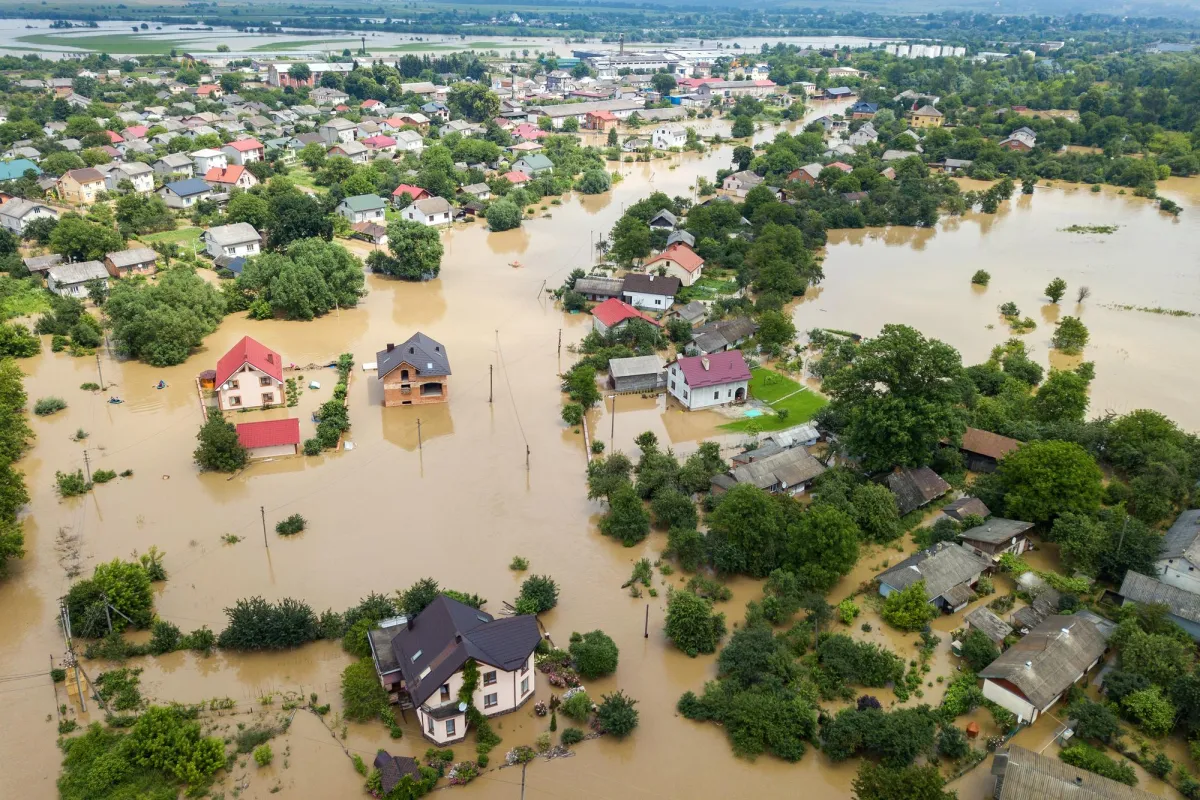
Some of you already wondering if buying flood insurance is worth it. Here are some of the reasons why this policy is worth buying. If you live in a flood-prone area consider getting one, before buying consider if you have sufficient insurance coverage. If your house does flood, you may not be able to pay to repair or replace damaged items. It is quite a bit of a responsibility to replace them with your funds. Flood insurance covers both these problems. If you think it is not important, think again and reassess your decision.
Although flood insurance isn't required by lenders, it can be a lifesaver, especially if you live near a flood zone. Flood claims are common and can cost up to $46,000. While this may seem expensive, the cost of flood insurance is negligible when you consider that one foot of water can destroy an average home. It is well worth the price of flood insurance compared to the risk of a costly flood disaster.
The US government has assisted in flood-prone areas, but much of it comes in the form of loans. Furthermore, only about half of flooding events have been declared federal disasters. So if you live in a low-risk flood zone, you may want to consider purchasing flood insurance before a storm hits. Although the cost of the policy may be prohibitive, it could be worth it if you can replace your house in the event of a flood.

The Cost Of Flood Insurance
Most places in the U.S. are at risk for flooding, the location you where will determine your premium. but where your area is at higher risk will determine your premium. Here are some tips for choosing the right flood insurance policy for your needs.
First, make sure your home is elevated. Elevating your home reduces the amount of damage it will be exposed to from floods. Second, you should make sure that your home is protected by a policy that covers your belongings.
Next, decide how much coverage you need. Flood insurance rates are typically higher for high-risk properties. If you live in one of these areas, you will want to get a policy that covers at least 80% of the home's value. You should also choose content coverage, which pays for damaged belongings at actual cash value. Average flood insurance in the U.S. is about $985 per year or $82 per month. The rates will be based depending in many factors such as your state and how much coverage you need.
To simplify things, the higher deductibles the more coverage you’ll get, which means lower premiums. If you do decide to purchase flood insurance, make sure you know how much you want to spend. It is not just a financial decision.
Flood insurance is a necessity, but it is important to take the time to do your research and make an informed decision. Always ask your insurance agent to help you with the decision-making and don’t forget to request free quotes and compare them.
Flood Insurance Experts
Flood Insurance Experts
Common Reasons For Floods
To give your more ideas on why this coverage is necessary, here are some common reasons for floods.
Tropical Storms & Hurricanes
Storms and hurricanes are powerful as well as devastating events for every community when they occur. Aside from damaging the properties, these forms of storms can bring heavy rains accompanied by high winds which may result in floods to the entire road and cities.
Heavy Rains
Constant rain can bring floods and overflow of water sewage. It can happen anytime in the year. The excess water due to flood can immediately damage anywhere it lands.
Flash Floods
Flooding from low-lying areas due to heavy rainfall is extremely dangerous and can tear up trees and destroys properties and buildings.
Mud Flows
Mudflows can add to the cause of floods which are associated with landslides and rapidly moving water to the ground. Even if your home is located on higher ground or elevated, it can be hit by mudflows.
Post Fire Conditions
Wildfires are common in the western states. Soil that has been burned cannot absorb water, meaning an increase in the risk of floods and mudflows.

Washington State, Earthquake & Flood Insurance Trusted Provider
Do you have any questions/concerns?
We work with multiple carriers for your convenience.
Comprehensive Flood & Earthquake Protection for Your Family's Peace of Mind
Washington & Seattle's Top Earthquake & Flood Insurance Specialists

News & Blogs
Loose Dental Bridge in Tulsa? Find Emergency Dental Care
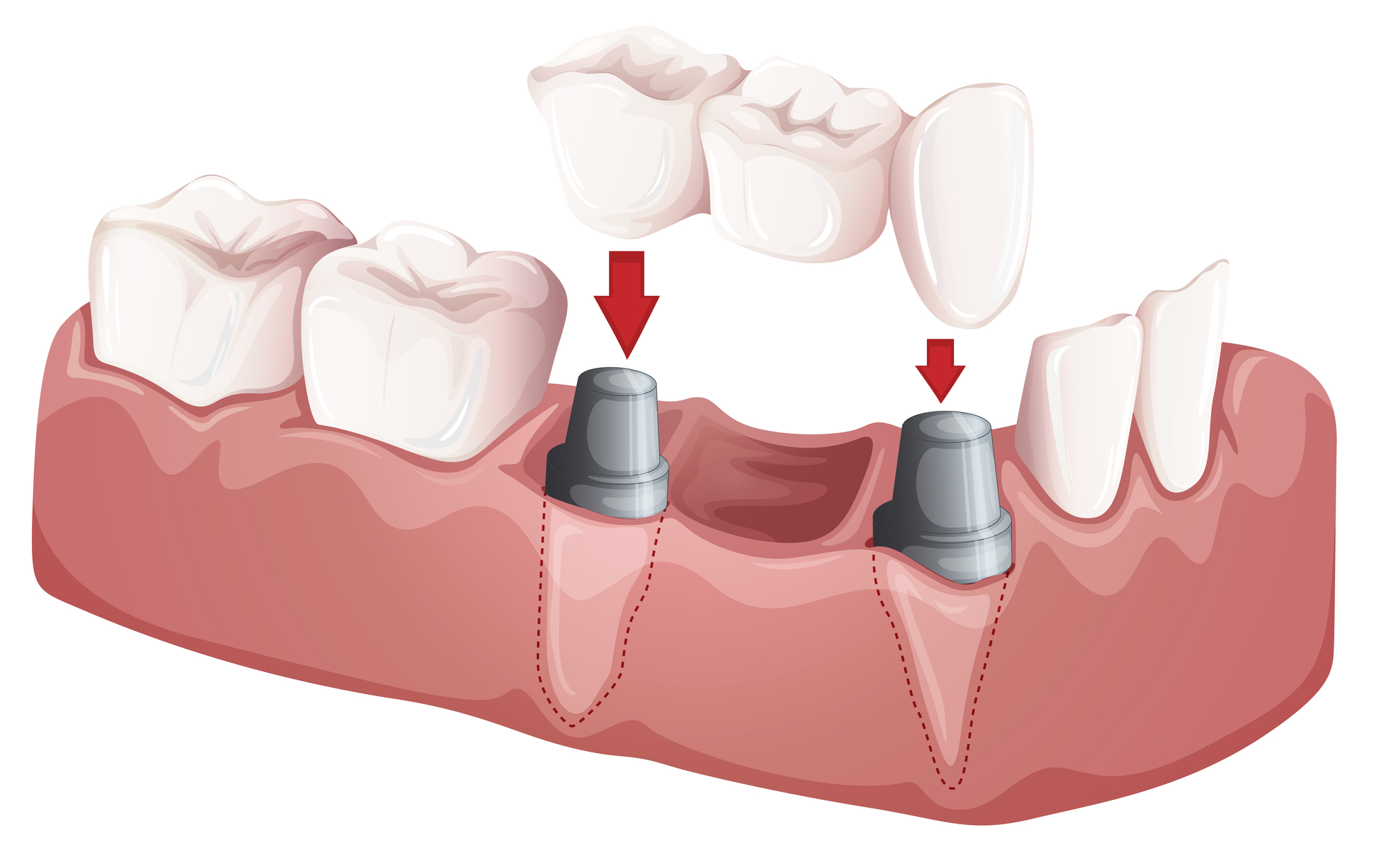
A dental bridge is designed to replace one or more missing teeth and help restore your ability to chew and speak comfortably. But when a bridge suddenly feels loose, shifts while eating, or separates from its supporting teeth, you may need prompt professional attention.
A loose bridge can expose underlying teeth, irritate the gums, or make chewing difficult. Trying to secure it yourself may cause additional damage, particularly if the supporting teeth or dental cement have been compromised.
If your dental bridge has become unstable, contact a qualified dentist for guidance. Emergency Dental Tulsa advertises phone support to help callers find emergency dental providers in Tulsa and nearby communities.
Call (918) 727-7941 for assistance locating available dental care.
When Does a Loose Dental Bridge Need Urgent Attention?
A dental bridge should feel stable during normal eating and speaking. If it begins moving, lifting, or changing position, avoid chewing with it until a dentist evaluates the problem.
Signs that warrant prompt dental attention include:
A bridge that rocks or shifts when you speak or eat.
A visible gap between the bridge and the gumline.
A supporting tooth that appears damaged or exposed.
Gum irritation, bleeding, or swelling around the bridge.
Difficulty chewing because the restoration no longer fits comfortably.
A bridge that has detached completely.
A loose bridge does not necessarily mean the entire restoration must be replaced. The problem may involve the cement, the supporting teeth, or the bridge itself.
If the bridge comes out, remove it from your mouth if you can do so safely. Keep it in a clean container and bring it to your appointment. Do not sleep with a loose restoration that could detach and create a choking risk.
If you experience significant facial swelling, difficulty breathing or swallowing, or another potentially life-threatening symptom, seek emergency medical assistance.
What Could Cause a Dental Bridge to Become Loose?
Several conditions can affect the stability of a dental bridge. A dental examination is needed to determine which explanation, if any, applies to your situation.
1. Breakdown of the dental cement
The cement securing a bridge can weaken over time. Changes in retention may allow the restoration to move or detach, even when the bridge itself appears intact.
2. Decay affecting a supporting tooth
The natural teeth supporting a bridge can develop decay around the margins of the restoration. This may weaken the tooth structure or interfere with the bridge's stability.
3. Damage to the bridge or supporting teeth
Repeated chewing forces, biting hard objects, teeth grinding, or an accidental impact may damage the restoration or its supporting structures. A crack may not be obvious without a professional examination.
4. Changes in the gums or supporting tissues
Gum disease or other changes affecting the tissues around the supporting teeth may contribute to discomfort and instability.
These possibilities require different responses. A dentist may examine the bridge, assess the supporting teeth and gums, and take dental X-rays when indicated. Avoid assuming that simply recementing the bridge will solve the problem.
What Treatments Might a Dentist Recommend?
Treatment depends on the condition of the bridge, the supporting teeth, and the surrounding tissues.
1. Recementing the existing bridge
If the bridge remains intact and the supporting teeth are healthy enough, a dentist may be able to clean the surfaces and secure the restoration again. This is not appropriate if decay or structural damage needs to be addressed first.
2. Repairing or replacing the restoration
A chipped or damaged bridge may require repair or replacement, depending on the material, the location of the damage, and the remaining structural integrity.
3. Treating a supporting tooth
If decay or infection affects a supporting tooth, the dentist may recommend a filling, root canal treatment, or another procedure before deciding whether the existing bridge can be retained.
4. Planning an alternative restoration
If the supporting teeth cannot reliably hold the bridge, the dentist may discuss another tooth-replacement approach, such as a removable partial denture or an implant-supported restoration when appropriate.
The dentist will explain the available options after evaluating the problem. Do not apply household glue or attempt to permanently reattach the bridge yourself.
What Should You Do Before Your Tulsa Dental Appointment?
Taking a few precautions can help protect the restoration and the surrounding teeth until you receive professional care.
Avoid chewing on the affected side.
Choose soft foods and avoid sticky or hard items that could pull on the bridge.
Keep the area clean with gentle brushing.
Do not repeatedly wiggle the bridge to test whether it is stable.
If the bridge detaches, store it safely and bring it to your appointment.
Contact a dentist promptly for instructions.
Do not use household adhesives, superglue, or other unapproved products inside your mouth. These materials can damage tissues and complicate professional treatment.
If the bridge is loose enough to move freely, avoid wearing it if it creates a swallowing or choking risk. Ask a dental professional how to handle it safely.
Where Can You Find Emergency Dental Care in Tulsa?
Emergency Dental Tulsa provides phone-based assistance for callers seeking emergency dental appointments. Its website lists Tulsa and nearby communities, including Broken Arrow, Owasso, Jenks, and Bixby.
When calling, explain that your dental bridge has become loose or detached. Mention whether you have swelling, a broken supporting tooth, or difficulty chewing. This information can help the service identify an appropriate provider.
Call (918) 727-7941 for assistance finding dental care. The hotline advertises 24-hour support, but in-person appointment times and treatment availability must be confirmed with the provider.
Get Help for a Loose Dental Bridge
A loose bridge should not be ignored, even if it is not causing significant discomfort. The issue may involve the cement, the restoration itself, or the teeth supporting it.
Prompt evaluation can help determine whether the bridge can be secured, repaired, or replaced.
If you are in Tulsa, Broken Arrow, Owasso, Jenks, or Bixby, contact Emergency Dental Tulsa for help locating an available dental provider.
Call (918) 727-7941 for appointment assistance and guidance on your next step.
Disclaimer: This article provides general information only and should not be construed as professional medical or dental advice, diagnosis, or treatment. Always consult with a licensed dentist or healthcare provider regarding any dental emergency or medical condition.

Affordable Insurance With Personal Service - Local Agents & Brokers

All Rights Reserved | Washington Earthquake & Flood Insurance
Privacy Policy | Disclaimer Terms & Conditions
Contact Us


