Washington Affordable Flood Insurance
Why buy a flood insurance? Get your affordable flood insurance through competitive rates. Protect your home with trusted provider here in Washington State. Be ready at all times!
Call our agent and get your personalized quote for free!
Primary Benefits Of Flood Insurance
As a homeowner, it is essential to understand why it is necessary to get flood insurance and the risks it poses. Flooding is an unfortunate part of life and can cause extensive damage to your home and personal belongings.
Even if you don't live in a flood zone, flooding can still be disastrous, it can result from snow melt, poor drainage systems, and constant rainfall. The best way to prevent losses from flooding is to buy flood insurance.
Building Coverage
Whether or not you should have building coverage for flood insurance depends on several factors, such as the size and structure of your home. It would be worth buying if you can replace your home when damaged during a flood.
Content Coverage/Personal Belonging
The value of your possessions is an important factor, as a small apartment or studio may require less coverage than a sprawling one-story ranch. When choosing the right coverage amount, make an inventory of all your belongings. If you don't know what you own, it may be a good idea to purchase a separate policy. Coverage limits for contents are determined by ACV, or actual cash value. This refers to the cost of repairing or replacing your belongings, less depreciation, when they are destroyed by water.
Washington Earthquake & Flood Insurance Services
You can buy flood insurance if your house has experienced flooding in the past, but there are some things to keep in mind. First, flood zones are constantly changing, and FEMA helps us ensure that we are fully protected. Determining the flood zones can be found online at the federal government's website. Even if your home isn't in a flood zone, it is still possible to experience repeated heavy rain for days on end.
Second, remember that flood insurance premiums aren't cheap. There are several options available, so make sure to shop around and compare policies. It is also important to remember that coverage has a 30-day waiting period before you can begin receiving benefits. Make sure to read everything in the fine print!
Depending on your home's location, the cost of flood insurance varies. The standard flood insurance policy covers a house up to $250,000, it doesn't cover contents over $100,000. If your home is more than this, consider purchasing an additional private policy to supplement your flood insurance. These policies can be quite expensive, so be sure to compare the different quotes from different providers.
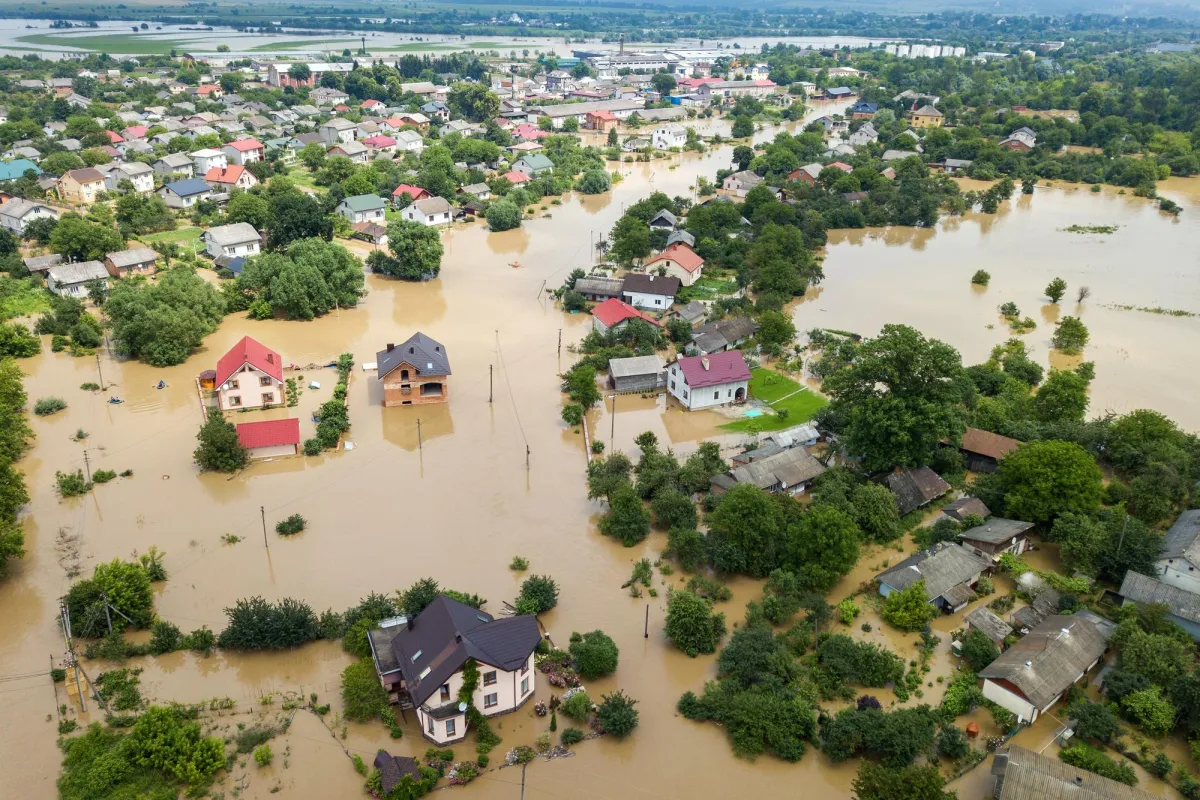
Is Flood Insurance Worth It
Some of you already wondering if buying flood insurance is worth it. Here are some of the reasons why this policy is worth buying. If you live in a flood-prone area consider getting one, before buying consider if you have sufficient insurance coverage. If your house does flood, you may not be able to pay to repair or replace damaged items. It is quite a bit of a responsibility to replace them with your funds. Flood insurance covers both these problems. If you think it is not important, think again and reassess your decision.
Although flood insurance isn't required by lenders, it can be a lifesaver, especially if you live near a flood zone. Flood claims are common and can cost up to $46,000. While this may seem expensive, the cost of flood insurance is negligible when you consider that one foot of water can destroy an average home. It is well worth the price of flood insurance compared to the risk of a costly flood disaster.
The US government has assisted in flood-prone areas, but much of it comes in the form of loans. Furthermore, only about half of flooding events have been declared federal disasters. So if you live in a low-risk flood zone, you may want to consider purchasing flood insurance before a storm hits. Although the cost of the policy may be prohibitive, it could be worth it if you can replace your house in the event of a flood.

The Cost Of Flood Insurance
Most places in the U.S. are at risk for flooding, the location you where will determine your premium. but where your area is at higher risk will determine your premium. Here are some tips for choosing the right flood insurance policy for your needs.
First, make sure your home is elevated. Elevating your home reduces the amount of damage it will be exposed to from floods. Second, you should make sure that your home is protected by a policy that covers your belongings.
Next, decide how much coverage you need. Flood insurance rates are typically higher for high-risk properties. If you live in one of these areas, you will want to get a policy that covers at least 80% of the home's value. You should also choose content coverage, which pays for damaged belongings at actual cash value. Average flood insurance in the U.S. is about $985 per year or $82 per month. The rates will be based depending in many factors such as your state and how much coverage you need.
To simplify things, the higher deductibles the more coverage you’ll get, which means lower premiums. If you do decide to purchase flood insurance, make sure you know how much you want to spend. It is not just a financial decision.
Flood insurance is a necessity, but it is important to take the time to do your research and make an informed decision. Always ask your insurance agent to help you with the decision-making and don’t forget to request free quotes and compare them.
Flood Insurance Experts
Flood Insurance Experts
Common Reasons For Floods
To give your more ideas on why this coverage is necessary, here are some common reasons for floods.
Tropical Storms & Hurricanes
Storms and hurricanes are powerful as well as devastating events for every community when they occur. Aside from damaging the properties, these forms of storms can bring heavy rains accompanied by high winds which may result in floods to the entire road and cities.
Heavy Rains
Constant rain can bring floods and overflow of water sewage. It can happen anytime in the year. The excess water due to flood can immediately damage anywhere it lands.
Flash Floods
Flooding from low-lying areas due to heavy rainfall is extremely dangerous and can tear up trees and destroys properties and buildings.
Mud Flows
Mudflows can add to the cause of floods which are associated with landslides and rapidly moving water to the ground. Even if your home is located on higher ground or elevated, it can be hit by mudflows.
Post Fire Conditions
Wildfires are common in the western states. Soil that has been burned cannot absorb water, meaning an increase in the risk of floods and mudflows.

Washington State, Earthquake & Flood Insurance Trusted Provider
Do you have any questions/concerns?
We work with multiple carriers for your convenience.
Comprehensive Flood & Earthquake Protection for Your Family's Peace of Mind
Washington & Seattle's Top Earthquake & Flood Insurance Specialists

News & Blogs

Gutter Repair vs Replacement Baton Rouge | Honest Local Advice
If you’re staring at a leaking gutter during a Baton Rouge downpour, you’re asking the same question every homeowner eventually asks:
Do I repair these gutters… or is it time to replace them?
Here’s the honest truth from local pros: in Baton Rouge, weather is a bully. Heavy rain, sudden storms, high humidity, and long hot seasons push gutter systems harder than many parts of the country. That’s why “just patch it” can work in the short term—but sometimes it’s simply throwing money at a system that’s already failing.
This guide breaks it down in plain English: when gutter repair makes sense, when replacement is smarter, and how to decide without getting upsold. And if you want a quick answer from a real person, you can call Baton Rouge Gutters anytime—because when water’s pouring where it shouldn’t, delays get expensive.

The #1 Goal: Control Water Around Your Home
Your gutters do one job: move water away from the roof edge and the foundation.
When gutters fail in Baton Rouge, the damage usually shows up as:
Overflow during storms
Water staining on siding
Rotting fascia boards
Erosion and pooling near the foundation
Moldy soffit areas
Landscaping washouts
So the repair vs replacement decision is really about this:
Can your current system reliably control water during Baton Rouge rainstorms?
When Gutter Repair is the Right Move
A quality repair is perfect when the system is fundamentally sound and the problems are isolated.
You’re typically a good candidate for repair if:
The gutters are mostly straight and firmly attached
The issue is a small leak at a seam or corner
A downspout is clogged or disconnected
A section is sagging due to a few failed hangers
The pitch is slightly off (water sits in one area)
Storm wind loosened a portion, but the metal isn’t destroyed
These are common fixes a good team can handle in one visit:
Re-sealing corners and seams
Re-hanging sagging sections with proper hangers
Correcting pitch so water flows correctly
Reattaching downspouts and adding straps
Clearing clogs and flushing the system
If what you need is gutter repair in Baton Rouge, the big win is cost: you can stop water damage without paying for a full replacement—especially when your gutters are otherwise in decent shape.
When Gutter Replacement is the Smarter Decision
Here’s where homeowners get stuck: a repair can fix today’s symptom, but replacement solves the root problem.
Replacement is usually the better call if:
You’re seeing leaks in multiple areas
Gutters are pulling away along long stretches
The system is undersized for your roof (common in heavy rain)
Sections are badly rusted, dented, or warped
Gutters overflow even when they’re clean
You’ve “repaired” the same area more than once
A key Baton Rouge factor: storm intensity. If your gutters are overwhelmed in normal rain, they’ll be useless in heavy storms.
Replacement often includes:
New seamless gutters custom-fit to your home
Correct sizing (often 5" vs 6" decisions)
New hangers and improved support
Better downspout placement and capacity
Optional guard systems to reduce clogs
If you’re leaning toward replacement, you’ll want seamless gutter installation in Baton Rouge, because seams are one of the most common leak points in older sectional systems.
The “Repair vs Replace” Decision Checklist (Fast Answer)
If you want a quick decision, use this:
Repair is usually best if:
One or two problem areas
Gutters are straight, supported, and not corroded
The system handles water fine when clean
It’s a newer system (or installed correctly)
Replace is usually best if:
Multiple leaks + sagging + overflow
Pulling away from fascia in multiple spots
Water is pouring behind gutters during storms
System is undersized or poorly designed
Repairs are becoming a recurring bill
The Baton Rouge Weather Factor (Why Gutters Fail Here)
Baton Rouge gutters get hammered by:
Sudden heavy rainfall
Wind gusts during storms
High humidity that accelerates corrosion
Organic debris (oak leaves, pine needles, seed pods)
Heat cycles that expand/contract fasteners
That’s why maintenance matters too. A lot of “replacement” situations start as neglect: clogs force water to overflow, overflow rots the fascia, then gutters pull away and the whole system becomes unstable.
If you’re not sure whether your gutters are failing due to clogs or structural issues, scheduling gutter cleaning in Baton Rouge plus a quick inspection can often reveal the real problem.
What About Cost? (Without Guessing Numbers)
Cost depends on the situation, but here’s the honest pricing logic:
Repair is cheaper when it’s isolated (one area, one downspout, a few hangers).
Replacement becomes cost-effective when repairs are stacking up or the system is undersized/failing in multiple locations.
Two-story homes, steep roofs, and difficult access usually increase labor.
Upgrading to 6" systems or adding guards increases material cost but can reduce long-term problems.
The biggest mistake is making the decision purely on price. In Baton Rouge, water damage costs more than gutters.
The Bottom Line: Choose the Option That Stops the Water for Good
If your gutter problems are small and specific, repair is a smart move.
If your system is failing in multiple ways—or can’t keep up with Baton Rouge rain—replacement is usually the cheaper long-term decision.
Want an honest local recommendation? Call Baton Rouge Gutters and we’ll give you a straight answer based on what you’re dealing with—no pressure.
Call now: (877) 853-5701

Affordable Insurance With Personal Service - Local Agents & Brokers
All Rights Reserved | Washington Earthquake & Flood Insurance
Privacy Policy | Disclaimer Terms & Conditions
Contact Us


