Washington Affordable Flood Insurance
Why buy a flood insurance? Get your affordable flood insurance through competitive rates. Protect your home with trusted provider here in Washington State. Be ready at all times!
Call our agent and get your personalized quote for free!
Primary Benefits Of Flood Insurance
As a homeowner, it is essential to understand why it is necessary to get flood insurance and the risks it poses. Flooding is an unfortunate part of life and can cause extensive damage to your home and personal belongings.
Even if you don't live in a flood zone, flooding can still be disastrous, it can result from snow melt, poor drainage systems, and constant rainfall. The best way to prevent losses from flooding is to buy flood insurance.
Building Coverage
Whether or not you should have building coverage for flood insurance depends on several factors, such as the size and structure of your home. It would be worth buying if you can replace your home when damaged during a flood.
Content Coverage/Personal Belonging
The value of your possessions is an important factor, as a small apartment or studio may require less coverage than a sprawling one-story ranch. When choosing the right coverage amount, make an inventory of all your belongings. If you don't know what you own, it may be a good idea to purchase a separate policy. Coverage limits for contents are determined by ACV, or actual cash value. This refers to the cost of repairing or replacing your belongings, less depreciation, when they are destroyed by water.
Washington Earthquake & Flood Insurance Services
You can buy flood insurance if your house has experienced flooding in the past, but there are some things to keep in mind. First, flood zones are constantly changing, and FEMA helps us ensure that we are fully protected. Determining the flood zones can be found online at the federal government's website. Even if your home isn't in a flood zone, it is still possible to experience repeated heavy rain for days on end.
Second, remember that flood insurance premiums aren't cheap. There are several options available, so make sure to shop around and compare policies. It is also important to remember that coverage has a 30-day waiting period before you can begin receiving benefits. Make sure to read everything in the fine print!
Depending on your home's location, the cost of flood insurance varies. The standard flood insurance policy covers a house up to $250,000, it doesn't cover contents over $100,000. If your home is more than this, consider purchasing an additional private policy to supplement your flood insurance. These policies can be quite expensive, so be sure to compare the different quotes from different providers.
Is Flood Insurance Worth It
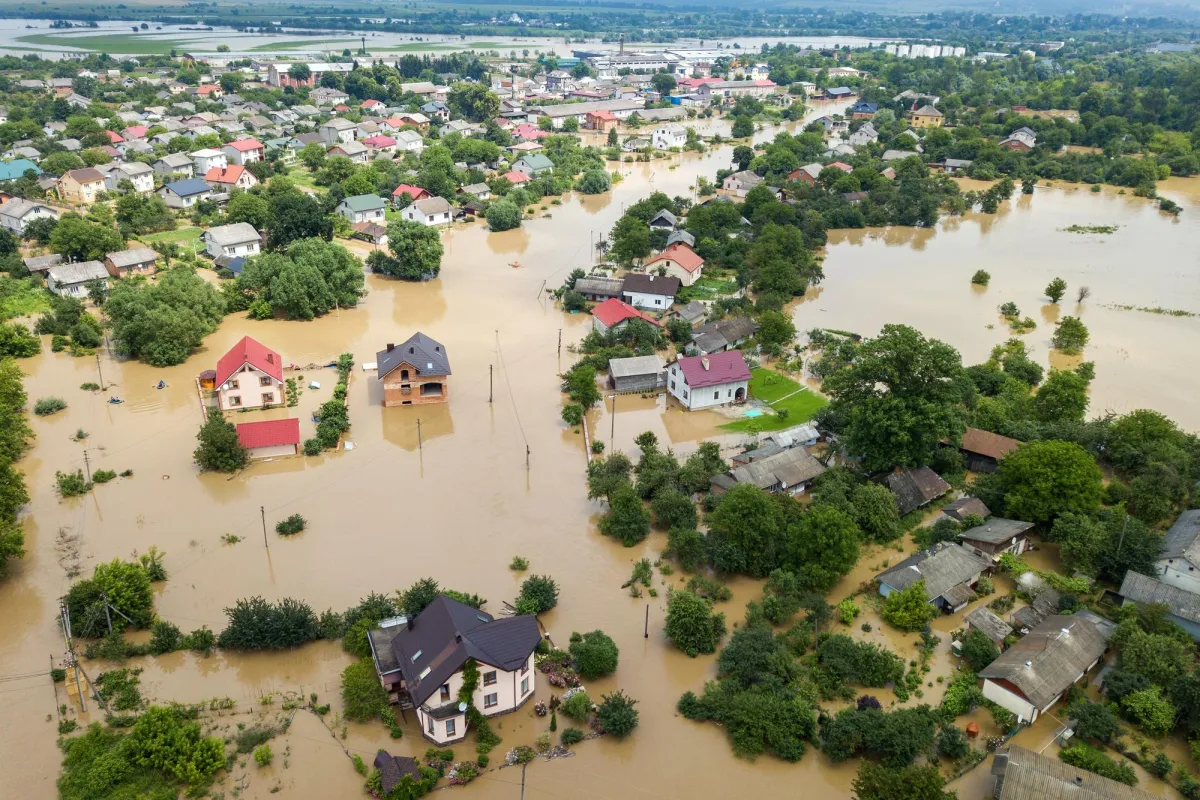
Some of you already wondering if buying flood insurance is worth it. Here are some of the reasons why this policy is worth buying. If you live in a flood-prone area consider getting one, before buying consider if you have sufficient insurance coverage. If your house does flood, you may not be able to pay to repair or replace damaged items. It is quite a bit of a responsibility to replace them with your funds. Flood insurance covers both these problems. If you think it is not important, think again and reassess your decision.
Although flood insurance isn't required by lenders, it can be a lifesaver, especially if you live near a flood zone. Flood claims are common and can cost up to $46,000. While this may seem expensive, the cost of flood insurance is negligible when you consider that one foot of water can destroy an average home. It is well worth the price of flood insurance compared to the risk of a costly flood disaster.
The US government has assisted in flood-prone areas, but much of it comes in the form of loans. Furthermore, only about half of flooding events have been declared federal disasters. So if you live in a low-risk flood zone, you may want to consider purchasing flood insurance before a storm hits. Although the cost of the policy may be prohibitive, it could be worth it if you can replace your house in the event of a flood.

The Cost Of Flood Insurance
Most places in the U.S. are at risk for flooding, the location you where will determine your premium. but where your area is at higher risk will determine your premium. Here are some tips for choosing the right flood insurance policy for your needs.
First, make sure your home is elevated. Elevating your home reduces the amount of damage it will be exposed to from floods. Second, you should make sure that your home is protected by a policy that covers your belongings.
Next, decide how much coverage you need. Flood insurance rates are typically higher for high-risk properties. If you live in one of these areas, you will want to get a policy that covers at least 80% of the home's value. You should also choose content coverage, which pays for damaged belongings at actual cash value. Average flood insurance in the U.S. is about $985 per year or $82 per month. The rates will be based depending in many factors such as your state and how much coverage you need.
To simplify things, the higher deductibles the more coverage you’ll get, which means lower premiums. If you do decide to purchase flood insurance, make sure you know how much you want to spend. It is not just a financial decision.
Flood insurance is a necessity, but it is important to take the time to do your research and make an informed decision. Always ask your insurance agent to help you with the decision-making and don’t forget to request free quotes and compare them.
Flood Insurance Experts
Flood Insurance Experts
Common Reasons For Floods
To give your more ideas on why this coverage is necessary, here are some common reasons for floods.
Tropical Storms & Hurricanes
Storms and hurricanes are powerful as well as devastating events for every community when they occur. Aside from damaging the properties, these forms of storms can bring heavy rains accompanied by high winds which may result in floods to the entire road and cities.
Heavy Rains
Constant rain can bring floods and overflow of water sewage. It can happen anytime in the year. The excess water due to flood can immediately damage anywhere it lands.
Flash Floods
Flooding from low-lying areas due to heavy rainfall is extremely dangerous and can tear up trees and destroys properties and buildings.
Mud Flows
Mudflows can add to the cause of floods which are associated with landslides and rapidly moving water to the ground. Even if your home is located on higher ground or elevated, it can be hit by mudflows.
Post Fire Conditions
Wildfires are common in the western states. Soil that has been burned cannot absorb water, meaning an increase in the risk of floods and mudflows.

Washington State, Earthquake & Flood Insurance Trusted Provider
Do you have any questions/concerns?
We work with multiple carriers for your convenience.
Comprehensive Flood & Earthquake Protection for Your Family's Peace of Mind
Washington & Seattle's Top Earthquake & Flood Insurance Specialists

News & Blogs
How People in Boise Handle Emergency Dental Costs (Insurance & Payment Options)
One of the first concerns people have during a dental emergency—right after pain or discomfort—is cost. Unexpected dental issues don’t just disrupt daily life; they also raise questions about insurance, out-of-pocket expenses, and payment options. In Boise and across the Treasure Valley, many people search for emergency dental care while simultaneously trying to understand what it might cost and how they’ll pay for it.
This article explains how people typically approach emergency dental costs, what options they explore, and how payment concerns factor into decision-making.

This content is informational only and does not provide medical or financial advice.
Why Cost Is a Major Concern During Dental Emergencies
Dental emergencies
often happen without warning. Because they aren’t planned, people may not have time to research pricing ahead of time. As a result, many Boise residents worry about:
Whether their dental insurance will be accepted
What happens if they don’t have coverage
Whether payment options exist for urgent care
These concerns often influence how quickly someone seeks help.
Understanding Dental Insurance During Emergencies
People with dental insurance often ask whether emergency visits are covered. Coverage can vary depending on the plan, provider network, and type of service involved. Because of this uncertainty, many people choose to contact emergency dental services directly to ask about insurance acceptance and next steps.
Emergency dental coordination services help clarify whether providers may accept certain plans and what questions to ask before an appointment.
What People Without Insurance Commonly Do
Not everyone has dental insurance. In fact, a large number of emergency dental searches come from people without coverage. In these cases, individuals often look for:
Emergency dental options without insurance
Offices that offer payment flexibility
Clear explanations of what to expect financially
Knowing that options exist helps people move forward rather than delaying care.
Payment Options People Ask About
During emergency dental situations, people frequently ask about:
Credit or financing options
Upfront costs versus later billing
While availability varies, many providers understand that emergencies are unplanned and may offer different ways to manage payment.
Why Transparency Matters
Clear communication around cost helps reduce stress during emergencies. When people know what questions to ask and what options may be available, they’re more likely to seek timely care.
If you’re dealing with a dental emergency in Boise or the Treasure Valley and have questions about cost or insurance, help is available.
Call (208) 266-7721 to explore emergency dental options and payment considerations.

Affordable Insurance With Personal Service - Local Agents & Brokers
All Rights Reserved | Washington Earthquake & Flood Insurance
Privacy Policy | Disclaimer Terms & Conditions
Contact Us


