
Washington Earthquake Insurance Coverage
An earthquake is one of the most devastating events that can happen. Your homeowners/renter’s policy will not work in the event of an earthquake. To protect yourself and your property against this, an earthquake insurance policy is specially made for this kind of disaster.
Earthquake Insurance Benefits & Coverage
Dwelling Coverage
In California, only 10% of people purchase insurance against these risks. In Washington, the number has risen to 11.3%, and in New Madrid, it has dropped to 12.7%. Dwelling coverage helps cover the home up to its included amount.
Personal Property Coverage
The furniture. computer and TV are most likely included when buying a policy. However, you can get more coverage when you buy additional breakable coverage.
Additional Living Expenses
Is the term for the expenses you incur while relocating to another location. While some homeowner's policies cover earthquake damage, many don't. Earthquake insurance can help cover the costs of temporary living expenses, such as food and hotel stays.
Cost To Remove Debris
The most likely types of homes to be damaged by an earthquake are wood-frame homes, multi-story buildings, and brick homes. Earthquake insurance can cover the cost to remove the debris damage to your property due to the earthquake.
Why Buy An Earthquake Insurance
Important questions most of our clients asked are: “Do I need an earthquake insurance policy?” To answer this is yes! Even though your house is located where earthquakes are rare, you should acquire at least the standard policy. According to a study, all 50 states in the USA are likely to experience these ground-shaking events. Most people think that the policy is expensive, however, buying coverage can cost $800 per year, this will work with $500,000 worth of coverage.
It's crucial to have this coverage because of the high possibility of earthquakes damaging your home. Most policies allow you to set a deductible of 5%, 10%, 15%, or 25% of your dwelling coverage limit. That way, you'd pay a deductible of $45,000 if your home were destroyed by an earthquake, and your insurer would pay the rest.
Earthquake insurance covers damage caused by earthquakes, volcanoes, and other seismic events. It also specifies a period for a single event. The payout will pay for repairs and replacements to your home, other structures, and personal belongings. It also covers earthquake-related land stabilization and loss-of-use coverage. This policy is beneficial for earthquake-prone areas and those with a lot of buildings made of brick, stone, or clay.
While earthquake insurance is useful for reducing losses from earthquakes, it can be very costly, especially if your home is located in a low-risk area. In such areas, some policies will not cover the full cost of repair or rebuilding, make sure to check the state and local laws before deciding to buy a policy. This can save you thousands of dollars in the long run.
What's Cover & Not?
Protect Your Investment Against Earthquake
The standard homeowner policies don't cover earthquakes. But you can add earthquake insurance as an endorsement to your policy. The coverage includes the pay—for repairs to your dwelling and any other structures attached to it. If an earthquake causes damage to your personal property, it will cover the cost to remove debris. Additionally, it may even pay for extra living expenses.
The type of insurance you purchase depends on the state where you live. For example, Californian homeowners insurance is required by law to include earthquake coverage because of the high risk of seismic earthquakes. Some states do not require to have them, however, they can help you protect against quakes. Also, earthquakes can be caused by modern disposal methods. So, earthquake insurance may be worth considering even if you live in a state with a low risk of seismic activity.
Part 1: Dwelling Coverage: Sometimes referred to as Coverage A which covers home up to included amount, but not excluded with the following:
Your homeowners’ policy limit will be the same as your earthquake insurance.
The deductibles may range between 5%, 10%, 15,%, 20%, and 25%.
Most earthquake policies excluded landscaping, pools, fences, masonry, or separate buildings.
Renting or owning a condo, does not need to buy a policy.
Part 2: Personal Property Coverage. Also known as Coverage C which covers the things inside your home, like furniture, TVs, and computers.
A $5,000 standard limit which you can increase up to $200,000.
The deductibles may range between 5%, 10%, 15,%, 20%, and 25%.
More coverage can protect you if you purchase additional breakable coverage.
Part 3: Additional Living Expenses/Loss of Use. A Coverage D provides temporary and extra costs to live somewhere else like hotels, while your house is inhabitable or being repaired.
Typically covers temporary rentals of homes, apartments, and hotel rooms, as well as restaurant meals, temporary telephone lines, furniture rental, and laundry.
The deductibles may range between 5%, 10%, 15,%, 20%, and 25%.
More coverage can protect you if you purchase additional breakable coverage.
The limit can range from $1,500 up to $100,000.
Emergency repairs coverage pays for the cost of replacing damaged items. It typically covers 5% of your dwelling and/or personal property limit. The premium will be determined depending on your deductible. Earthquake insurance deductibles will vary, but most are between ten to fifteen percent of the total rebuild value of your home. For homeowners who are concerned about their deductible, they can purchase earthquake insurance that will cover these costs.
Whether you need it or not, it is best to understand how a single event can wiped-out all of our dreams. Prevention is always better than cure, protect yourself and your assets by buying an earthquake insurance policy, which can be beneficial shortly. Or especially if you are in a high-risk quake area.
Flood Insurance Experts
Flood Insurance Experts
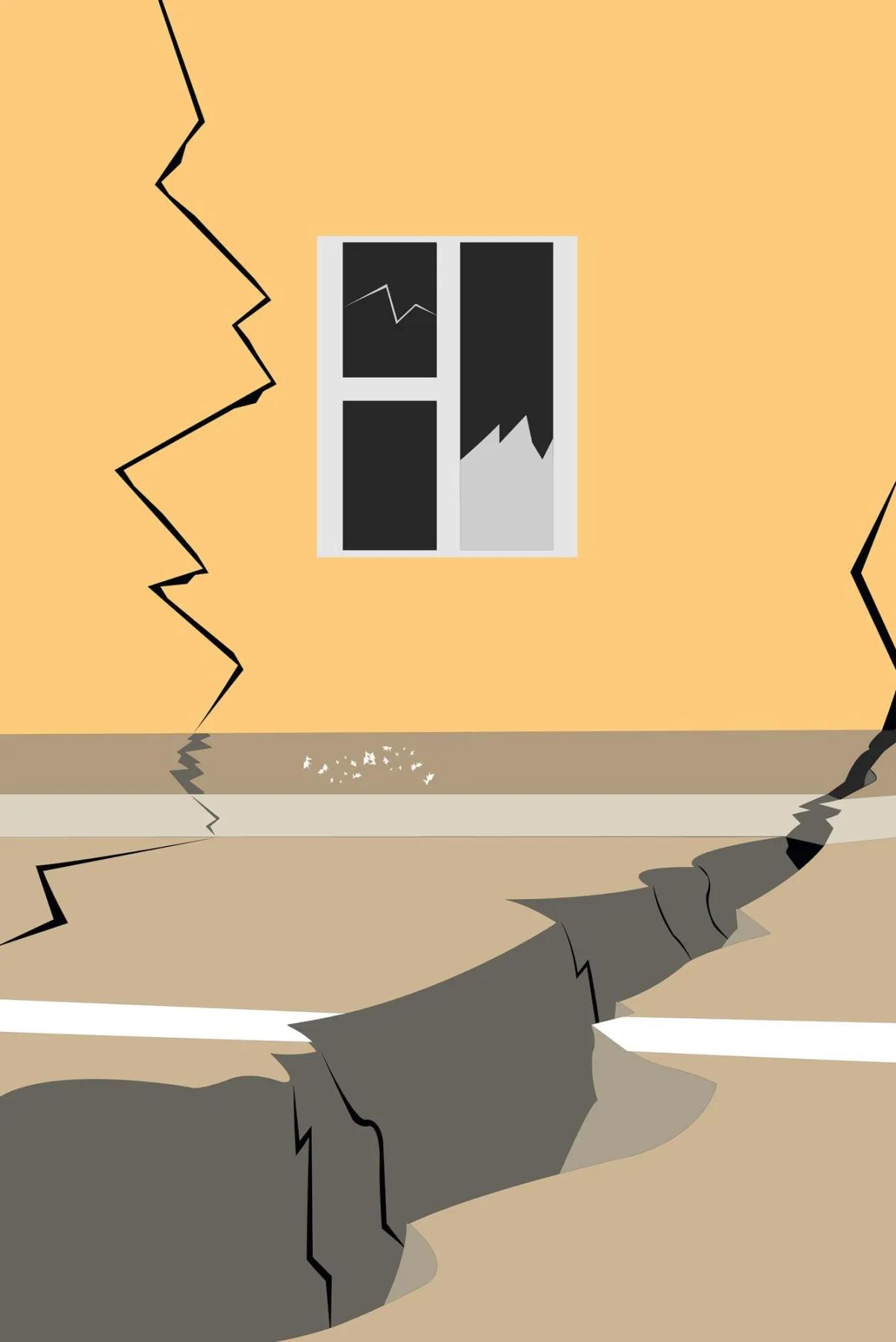
What Happens If My House Is Destroyed In An Earthquake Without Policy
If you are planning to buy a flood insurance policy, you should assess if your house land in a flood-prone area. Many communities can qualify for a policy through FEMA. However, if you live in an area where flood maps change frequently, you may not be able to find one without getting a quote. Vice versa, if you live in a high-risk area, you can purchase a separate policy from a private company.
A typical flood insurance policy will pay for the replacement costs of your home after a flooding event. It does not cover losses that happen before the flood. Moreover, you cannot increase the amount of coverage once the flood starts. In some areas, flood insurance is necessary, but there are also some exceptions. Generally, a flood insurance policy costs about $260 annually for a $100,000-per-inclusion limit. While this is a good start, you must ask if you need a policy.
Some areas are required to have an insurance policy by the federal government. In many cases, the insurance coverage is less than what you need, but the amount is still significant. And a flood insurance policy will provide you with peace of mind.

Washington State, Earthquake & Flood Insurance Trusted Provider
Do you have any questions/concerns?
We work with multiple carriers for your convenience.
News & Blogs

Chipped, Loose, or Knocked-Out Tooth in Plano? Act Quickly
Chipped, Loose, or Knocked-Out Tooth in Plano? What to Do After an Accident
A collision during a basketball game, an accidental elbow during soccer, or an unexpected fall can damage a tooth in seconds. You may notice bleeding, a chipped edge, a loose tooth, or a tooth that has been completely knocked out.
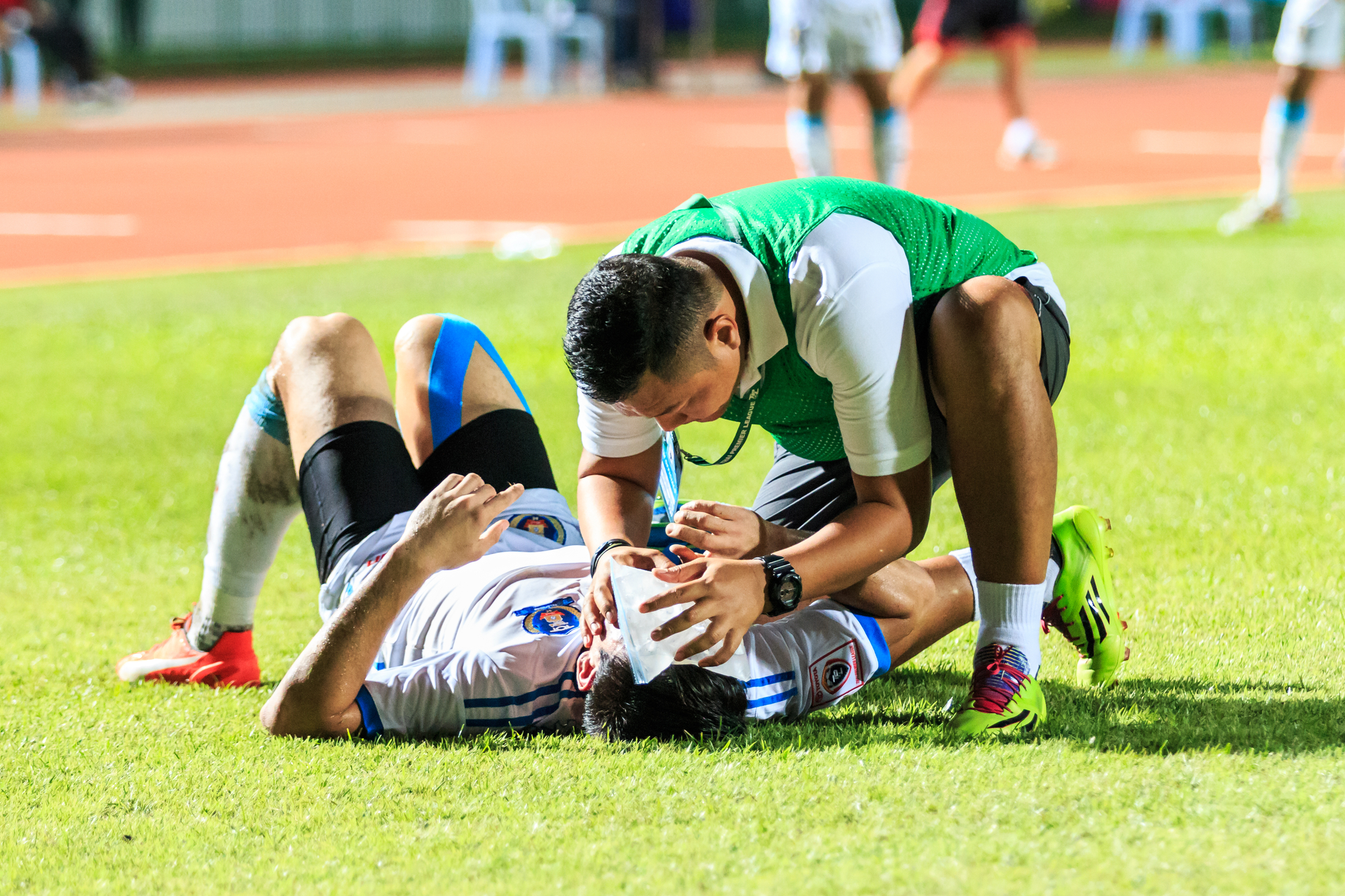
In that moment, it can be difficult to know whether the injury is minor or requires immediate treatment. You may also worry about permanent damage, pain, and whether the tooth can be saved.
If you or a family member experiences a dental injury in Plano, Texas, act promptly. Contact an emergency dental provider for instructions and an urgent assessment. Some dental injuries are time-sensitive, particularly when a permanent tooth has been knocked out.
Call (877) 462-0628 to ask Emergency Dental Plano about availability and the appropriate next step.
How Serious Is a Tooth Injury After an Accident?
The appearance of a damaged tooth does not always reveal the full extent of an injury. A small chip may be relatively straightforward to treat, while a tooth that looks intact may have damage involving its root or supporting tissues.
Several different injuries could explain what you notice:
A chipped or fractured tooth: An impact may break part of the enamel or extend into deeper tooth structures.
A loosened or displaced tooth: A blow may injure the ligaments supporting the tooth or move it out of its normal position.
A knocked-out permanent tooth: The entire tooth may come out of its socket, creating a time-sensitive dental emergency.
An injury to the surrounding tissues: Trauma may affect the gums, lips, jaw, or other facial structures, sometimes alongside tooth damage.
These are different possibilities, and a dental examination is needed to assess the injury. Depending on the circumstances, a healthcare professional may also need to evaluate facial or head trauma.
Seek urgent dental care for a loose, displaced, fractured, or knocked-out tooth. If the accident involved loss of consciousness, confusion, vomiting after a head injury, severe facial trauma, uncontrolled bleeding, or suspected jaw fracture, seek emergency medical assessment.
Difficulty breathing or swallowing is also a medical emergency.
What Should You Do Immediately After a Tooth Injury?
The right first-aid steps depend on the type of injury. While arranging professional care, avoid actions that could worsen the damage.
If a permanent tooth has been knocked out:
Find the tooth and pick it up by the crown, which is the visible chewing surface.
Avoid touching or scrubbing the root.
If it is dirty, gently rinse it with milk or saline if available. Do not scrub it or use disinfectants.
If you are certain it is a permanent tooth, you are conscious, and you can do so safely, gently reinsert it into the socket without forcing it. Otherwise, keep it moist in milk or an appropriate tooth-preservation solution and seek immediate dental guidance.
Get emergency dental care immediately. Time is critical for the chance of successful reimplantation.
Never attempt to reinsert a baby tooth. If you're uncertain whether the tooth is permanent, ask a dental professional immediately.
For a chipped or fractured tooth:
Rinse your mouth gently with water.
Save any recovered fragments in a clean container.
Apply a cold compress externally if swelling develops.
Avoid chewing with the injured tooth.
If there is bleeding, apply gentle pressure with clean gauze when appropriate.
Do not attempt to reposition a displaced tooth yourself unless a dental professional specifically instructs you to do so. Avoid placing aspirin directly against injured gum tissue.
Call (877) 462-0628 to ask about urgent dental evaluation. If you suspect a serious head, jaw, or facial injury, prioritize emergency medical care.
What Emergency Treatments May Be Needed After Dental Trauma?
Treatment depends on the location and extent of the damage, whether the tooth remains in its socket, and whether the root or surrounding tissues have been affected.
Possible treatments include:
Dental bonding or restoration: A suitable chipped tooth may be repaired with tooth-colored restorative material.
Stabilization or splinting: A loosened or displaced tooth may require professional repositioning and stabilization, depending on the injury.
Root canal therapy: Some injured teeth develop irreversible damage to the inner tissue and may require root canal treatment, either initially or during follow-up.
Reimplantation and monitoring: A knocked-out permanent tooth may be eligible for reimplantation, followed by appropriate stabilization and monitoring.
Extraction: If a tooth is too severely damaged to be predictably preserved, removal may be considered.
These treatments are not interchangeable, and not every injured tooth needs the same procedure. Some injuries also require follow-up examinations because complications may appear after the initial accident.
A dentist may recommend imaging to assess the tooth and surrounding structures. Depending on the findings, additional treatment or referral to a specialist may be necessary.
When you contact Emergency Dental Plano, explain how the accident happened, when it occurred, and whether the tooth is loose, broken, displaced, or missing. Ask whether the office can assess the specific injury and whether you should seek care elsewhere immediately.
Can a Tooth Injury Cause Problems Even If It Doesn't Hurt?
Yes. A tooth can sustain damage without causing severe immediate pain. Trauma may affect the supporting ligaments, root, or inner tooth tissue even when the visible surface appears relatively normal.
After an accident, pay attention to changes such as:
Increasing sensitivity to temperature or pressure.
Discoloration of the injured tooth.
Gum swelling or tenderness.
A change in the way your teeth fit together.
New looseness or discomfort when biting.
These signs do not establish a specific diagnosis, but they warrant professional evaluation. Do not wait for severe pain to develop before arranging an assessment after a significant impact.
Follow the dentist's instructions regarding activity, oral hygiene, diet, and follow-up visits. If you participate in contact sports, ask about an appropriately fitted mouthguard after the injury has been assessed.
How Much Does Emergency Dental Injury Treatment Cost?
Costs depend on the injury and the treatment required. A small chip may need a different level of care from a displaced tooth, a root fracture, or a knocked-out permanent tooth.
When possible, ask about the examination fee, imaging costs, expected treatment expenses, and whether additional visits will be needed.
Emergency Dental Clinics of Plano describes payment options on its website, including most PPO insurance plans, CareCredit financing subject to approval, and select prompt-pay savings. Confirm current terms and eligibility with the office.
However, do not delay time-sensitive treatment for a knocked-out permanent tooth while trying to establish the full cost. Seek immediate professional guidance and discuss financial arrangements as soon as practical.
Where to Get Urgent Dental Care in Plano After an Accident
A dental injury can happen during sports, at work, at home, or in a traffic accident. The safest next step depends on the injury and whether other parts of the face or head may be affected.
If you are in Plano, Frisco, Allen, Richardson, McKinney, or a nearby community, call (877) 462-0628 to ask Emergency Dental Plano about urgent appointment availability and treatment options.
Explain what happened, when the injury occurred, and whether a tooth is chipped, loose, displaced, or knocked out. If a permanent tooth has been knocked out, emphasize that fact and seek immediate care.
Do not assume a tooth is safe simply because the pain is manageable. Prompt evaluation can help identify hidden damage and determine the most appropriate treatment.
Disclaimer: This article provides general information only and should not be construed as professional medical or dental advice, diagnosis, or treatment. Always consult with a licensed dentist or healthcare provider regarding any dental emergency or medical condition.

Affordable Insurance With Personal Service - Local Agents & Brokers

All Rights Reserved | Washington Earthquake & Flood Insurance
Privacy Policy | Disclaimer Terms & Conditions
Contact Us


