
Washington Earthquake Insurance Coverage
An earthquake is one of the most devastating events that can happen. Your homeowners/renter’s policy will not work in the event of an earthquake. To protect yourself and your property against this, an earthquake insurance policy is specially made for this kind of disaster.
Earthquake Insurance Benefits & Coverage
Dwelling Coverage
In California, only 10% of people purchase insurance against these risks. In Washington, the number has risen to 11.3%, and in New Madrid, it has dropped to 12.7%. Dwelling coverage helps cover the home up to its included amount.
Personal Property Coverage
The furniture. computer and TV are most likely included when buying a policy. However, you can get more coverage when you buy additional breakable coverage.
Additional Living Expenses
Is the term for the expenses you incur while relocating to another location. While some homeowner's policies cover earthquake damage, many don't. Earthquake insurance can help cover the costs of temporary living expenses, such as food and hotel stays.
Cost To Remove Debris
The most likely types of homes to be damaged by an earthquake are wood-frame homes, multi-story buildings, and brick homes. Earthquake insurance can cover the cost to remove the debris damage to your property due to the earthquake.
Why Buy An Earthquake Insurance
Important questions most of our clients asked are: “Do I need an earthquake insurance policy?” To answer this is yes! Even though your house is located where earthquakes are rare, you should acquire at least the standard policy. According to a study, all 50 states in the USA are likely to experience these ground-shaking events. Most people think that the policy is expensive, however, buying coverage can cost $800 per year, this will work with $500,000 worth of coverage.
It's crucial to have this coverage because of the high possibility of earthquakes damaging your home. Most policies allow you to set a deductible of 5%, 10%, 15%, or 25% of your dwelling coverage limit. That way, you'd pay a deductible of $45,000 if your home were destroyed by an earthquake, and your insurer would pay the rest.
Earthquake insurance covers damage caused by earthquakes, volcanoes, and other seismic events. It also specifies a period for a single event. The payout will pay for repairs and replacements to your home, other structures, and personal belongings. It also covers earthquake-related land stabilization and loss-of-use coverage. This policy is beneficial for earthquake-prone areas and those with a lot of buildings made of brick, stone, or clay.
While earthquake insurance is useful for reducing losses from earthquakes, it can be very costly, especially if your home is located in a low-risk area. In such areas, some policies will not cover the full cost of repair or rebuilding, make sure to check the state and local laws before deciding to buy a policy. This can save you thousands of dollars in the long run.
What's Cover & Not?
Protect Your Investment Against Earthquake
The standard homeowner policies don't cover earthquakes. But you can add earthquake insurance as an endorsement to your policy. The coverage includes the pay—for repairs to your dwelling and any other structures attached to it. If an earthquake causes damage to your personal property, it will cover the cost to remove debris. Additionally, it may even pay for extra living expenses.
The type of insurance you purchase depends on the state where you live. For example, Californian homeowners insurance is required by law to include earthquake coverage because of the high risk of seismic earthquakes. Some states do not require to have them, however, they can help you protect against quakes. Also, earthquakes can be caused by modern disposal methods. So, earthquake insurance may be worth considering even if you live in a state with a low risk of seismic activity.
Part 1: Dwelling Coverage: Sometimes referred to as Coverage A which covers home up to included amount, but not excluded with the following:
Your homeowners’ policy limit will be the same as your earthquake insurance.
The deductibles may range between 5%, 10%, 15,%, 20%, and 25%.
Most earthquake policies excluded landscaping, pools, fences, masonry, or separate buildings.
Renting or owning a condo, does not need to buy a policy.
Part 2: Personal Property Coverage. Also known as Coverage C which covers the things inside your home, like furniture, TVs, and computers.
A $5,000 standard limit which you can increase up to $200,000.
The deductibles may range between 5%, 10%, 15,%, 20%, and 25%.
More coverage can protect you if you purchase additional breakable coverage.
Part 3: Additional Living Expenses/Loss of Use. A Coverage D provides temporary and extra costs to live somewhere else like hotels, while your house is inhabitable or being repaired.
Typically covers temporary rentals of homes, apartments, and hotel rooms, as well as restaurant meals, temporary telephone lines, furniture rental, and laundry.
The deductibles may range between 5%, 10%, 15,%, 20%, and 25%.
More coverage can protect you if you purchase additional breakable coverage.
The limit can range from $1,500 up to $100,000.
Emergency repairs coverage pays for the cost of replacing damaged items. It typically covers 5% of your dwelling and/or personal property limit. The premium will be determined depending on your deductible. Earthquake insurance deductibles will vary, but most are between ten to fifteen percent of the total rebuild value of your home. For homeowners who are concerned about their deductible, they can purchase earthquake insurance that will cover these costs.
Whether you need it or not, it is best to understand how a single event can wiped-out all of our dreams. Prevention is always better than cure, protect yourself and your assets by buying an earthquake insurance policy, which can be beneficial shortly. Or especially if you are in a high-risk quake area.
Flood Insurance Experts
Flood Insurance Experts
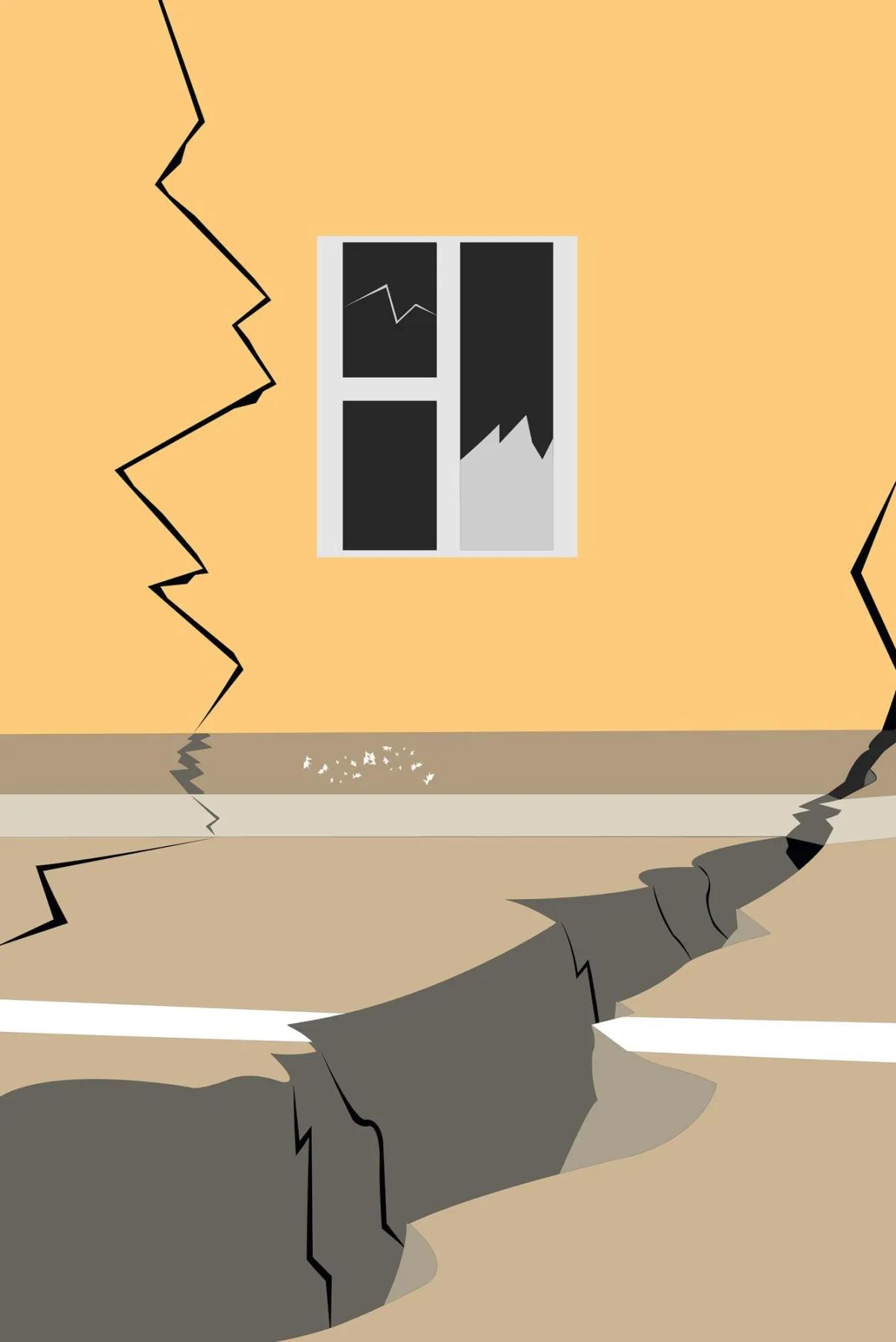
What Happens If My House Is Destroyed In An Earthquake Without Policy
If you are planning to buy a flood insurance policy, you should assess if your house land in a flood-prone area. Many communities can qualify for a policy through FEMA. However, if you live in an area where flood maps change frequently, you may not be able to find one without getting a quote. Vice versa, if you live in a high-risk area, you can purchase a separate policy from a private company.
A typical flood insurance policy will pay for the replacement costs of your home after a flooding event. It does not cover losses that happen before the flood. Moreover, you cannot increase the amount of coverage once the flood starts. In some areas, flood insurance is necessary, but there are also some exceptions. Generally, a flood insurance policy costs about $260 annually for a $100,000-per-inclusion limit. While this is a good start, you must ask if you need a policy.
Some areas are required to have an insurance policy by the federal government. In many cases, the insurance coverage is less than what you need, but the amount is still significant. And a flood insurance policy will provide you with peace of mind.

Washington State, Earthquake & Flood Insurance Trusted Provider
Do you have any questions/concerns?
We work with multiple carriers for your convenience.
News & Blogs
Loose Dental Bridge in Chicago? Get Emergency Repair Today
Loose Dental Bridge in Chicago? Get Emergency Repair Today
A dental bridge is designed to replace missing teeth and help restore your ability to chew and speak comfortably. But what happens when that bridge suddenly becomes loose, shifts while eating, or completely detaches?
A damaged dental bridge can interfere with everyday activities and expose the supporting teeth and surrounding tissues to additional problems. Even if the appliance is still partially attached, continuing to use it without professional guidance could make the situation worse.
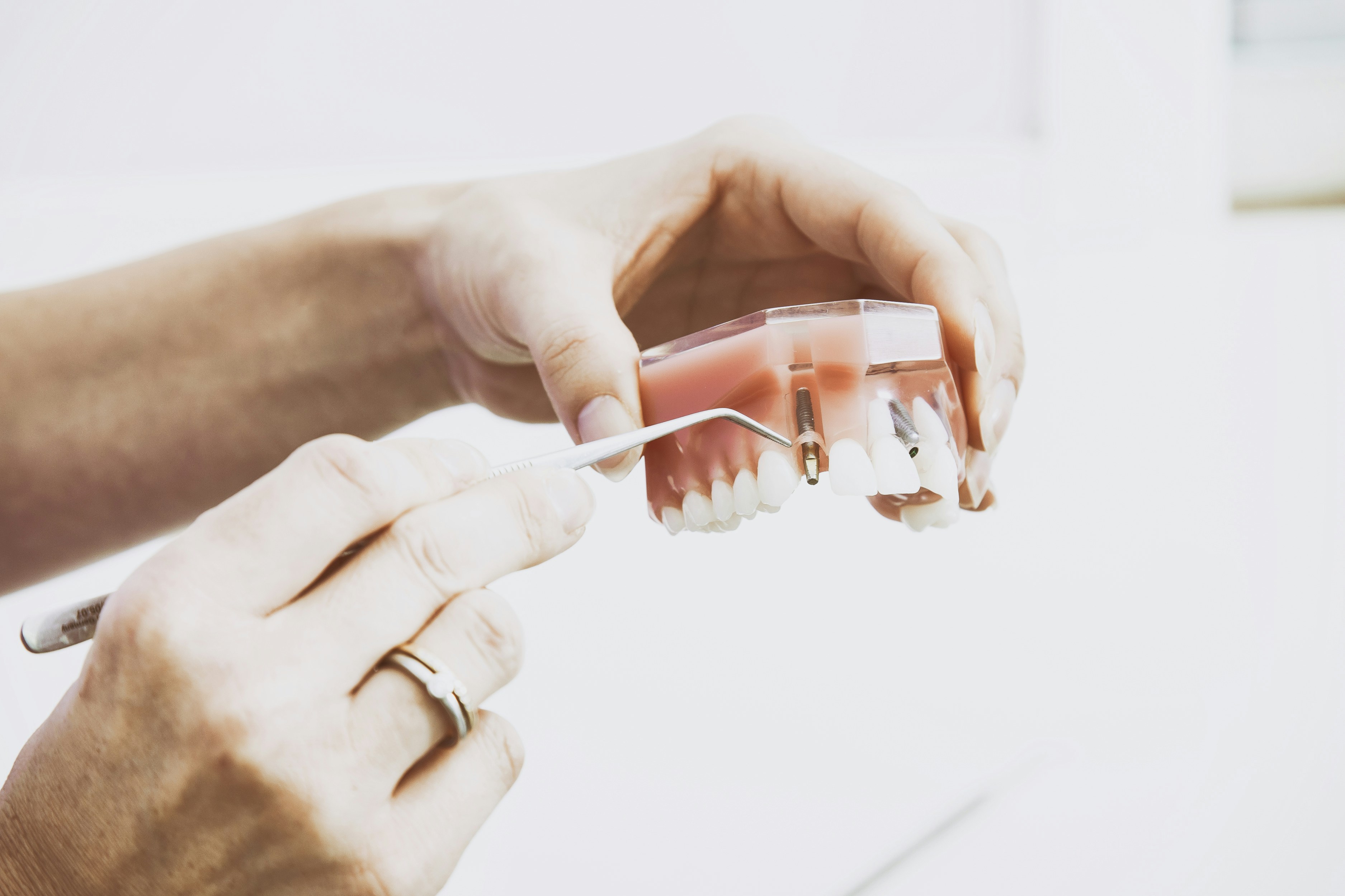
If you're experiencing a dental bridge problem in Chicago, Illinois, getting professional assistance promptly is important.
Emergency Dental Chicago advertises emergency bridge repair and a 24/7 hotline for patients seeking urgent dental assistance.
Call (877) 462-0628 to explain what's happening and ask about the soonest available appointment.
What Can Cause a Dental Bridge to Become Loose or Fall Out?
Dental bridges are supported by neighboring teeth, dental implants, or other underlying structures, depending on the type of restoration. Although they are designed for everyday use, several problems can affect their stability.
Here are three possible explanations for a loose or detached dental bridge.
1. Wear or deterioration of dental cement
Traditional dental bridges are often secured using dental cement. Over time, normal chewing forces and changes around the supporting teeth may affect the cement's ability to hold the restoration in place.
If the cement weakens, the bridge may begin moving or feel different when biting.
2. Decay affecting supporting teeth
The natural teeth supporting a bridge can develop decay around the restoration or near the gumline.
This may compromise the supporting structure and contribute to changes in how securely the bridge fits.
3. Damage to the bridge or supporting structures
Accidental impact, biting particularly hard foods, or repeated pressure may damage a bridge or affect its supporting teeth.
A fracture, loose connection, or structural weakness could cause the restoration to shift unexpectedly.
A loose bridge does not automatically mean the entire restoration needs replacement. A dentist must examine the appliance and supporting structures to determine what has happened.
If your bridge has become unstable in Chicago, call (877) 462-0628 for emergency dental assistance.
What Should You Do If Your Dental Bridge Becomes Dislodged?
When a bridge moves or falls out, your immediate priority should be protecting the appliance and avoiding additional damage.
Taking the following precautions may help while you arrange professional care.
Remove the appliance only if it is already completely detached or can be removed without force. Never pull on a bridge that remains firmly attached.
Keep the restoration safe. Place a detached bridge in a clean container and bring it to your dental appointment.
Avoid chewing on the affected side. Additional pressure could damage exposed supporting teeth or surrounding tissues.
Choose soft foods temporarily. Avoid sticky, hard, or crunchy foods that could place stress on the affected area.
Maintain gentle oral hygiene. Carefully clean the surrounding teeth and gums without forcing anything beneath the restoration.
Avoid household adhesives. Superglue and other non-dental products are not appropriate substitutes for professional dental cement.
You should also avoid repeatedly testing the bridge with your tongue or fingers.
If the restoration has sharp edges or is irritating your gums, seek professional guidance rather than attempting to reshape it.
A loose dental bridge deserves prompt evaluation. Emergency Dental Chicago can help you ask about an appropriate appointment through its 24/7 hotline.
What Emergency Treatments Are Available for a Damaged Dental Bridge?
The appropriate treatment depends on the condition of the bridge, the supporting teeth, and the surrounding gum tissue.
After an examination, a dentist may recommend one of several options.
1. Professional bridge recementation
If the existing bridge remains structurally sound and the supporting teeth are healthy, a dentist may be able to clean and professionally recement the restoration.
This option may help restore stability without requiring an entirely new bridge.
2. Bridge repair or restoration
If the bridge has minor structural damage, a dental professional may determine whether a repair is possible.
The approach depends on the restoration's material, the location of the damage, and whether the supporting components remain suitable.
3. Bridge replacement
When a bridge is extensively damaged or no longer fits properly, replacement may be recommended.
The dentist may also need to address decay, gum problems, or other conditions affecting the supporting teeth before creating a new restoration.
Additional treatment, such as a crown or treatment for an underlying tooth problem, may also be considered depending on the examination.
Not every loose bridge requires replacement. A professional evaluation is necessary to identify the most appropriate solution.
Call (877) 462-0628 to ask about emergency dental bridge repair in Chicago.
Get Help With Your Loose Dental Bridge Today
A dental bridge that suddenly becomes unstable should not be ignored. Continuing to chew with a damaged restoration may increase the risk of further complications.
Whether your bridge has shifted, developed a crack, or completely detached, a professional examination can help determine whether it can be repaired or needs replacement.
24/7 Emergency Dentist Chicago provides a 24/7 hotline for patients seeking urgent dental assistance throughout Chicago and nearby communities.
Call (877) 462-0628 now to speak with the emergency support team, explain your dental bridge problem, and ask about the soonest available appointment.
Disclaimer: This article provides general information only and should not be construed as professional medical or dental advice, diagnosis, or treatment. Always consult with a licensed dentist or healthcare provider regarding any dental emergency or medical condition.

Affordable Insurance With Personal Service - Local Agents & Brokers

All Rights Reserved | Washington Earthquake & Flood Insurance
Privacy Policy | Disclaimer Terms & Conditions
Contact Us


