
Washington Earthquake Insurance Coverage
An earthquake is one of the most devastating events that can happen. Your homeowners/renter’s policy will not work in the event of an earthquake. To protect yourself and your property against this, an earthquake insurance policy is specially made for this kind of disaster.
Earthquake Insurance Benefits & Coverage
Dwelling Coverage
In California, only 10% of people purchase insurance against these risks. In Washington, the number has risen to 11.3%, and in New Madrid, it has dropped to 12.7%. Dwelling coverage helps cover the home up to its included amount.
Personal Property Coverage
The furniture. computer and TV are most likely included when buying a policy. However, you can get more coverage when you buy additional breakable coverage.
Additional Living Expenses
Is the term for the expenses you incur while relocating to another location. While some homeowner's policies cover earthquake damage, many don't. Earthquake insurance can help cover the costs of temporary living expenses, such as food and hotel stays.
Cost To Remove Debris
The most likely types of homes to be damaged by an earthquake are wood-frame homes, multi-story buildings, and brick homes. Earthquake insurance can cover the cost to remove the debris damage to your property due to the earthquake.
Why Buy An Earthquake Insurance
Important questions most of our clients asked are: “Do I need an earthquake insurance policy?” To answer this is yes! Even though your house is located where earthquakes are rare, you should acquire at least the standard policy. According to a study, all 50 states in the USA are likely to experience these ground-shaking events. Most people think that the policy is expensive, however, buying coverage can cost $800 per year, this will work with $500,000 worth of coverage.
It's crucial to have this coverage because of the high possibility of earthquakes damaging your home. Most policies allow you to set a deductible of 5%, 10%, 15%, or 25% of your dwelling coverage limit. That way, you'd pay a deductible of $45,000 if your home were destroyed by an earthquake, and your insurer would pay the rest.
Earthquake insurance covers damage caused by earthquakes, volcanoes, and other seismic events. It also specifies a period for a single event. The payout will pay for repairs and replacements to your home, other structures, and personal belongings. It also covers earthquake-related land stabilization and loss-of-use coverage. This policy is beneficial for earthquake-prone areas and those with a lot of buildings made of brick, stone, or clay.
While earthquake insurance is useful for reducing losses from earthquakes, it can be very costly, especially if your home is located in a low-risk area. In such areas, some policies will not cover the full cost of repair or rebuilding, make sure to check the state and local laws before deciding to buy a policy. This can save you thousands of dollars in the long run.
What's Cover & Not?
Protect Your Investment Against Earthquake
The standard homeowner policies don't cover earthquakes. But you can add earthquake insurance as an endorsement to your policy. The coverage includes the pay—for repairs to your dwelling and any other structures attached to it. If an earthquake causes damage to your personal property, it will cover the cost to remove debris. Additionally, it may even pay for extra living expenses.
The type of insurance you purchase depends on the state where you live. For example, Californian homeowners insurance is required by law to include earthquake coverage because of the high risk of seismic earthquakes. Some states do not require to have them, however, they can help you protect against quakes. Also, earthquakes can be caused by modern disposal methods. So, earthquake insurance may be worth considering even if you live in a state with a low risk of seismic activity.
Part 1: Dwelling Coverage: Sometimes referred to as Coverage A which covers home up to included amount, but not excluded with the following:
Your homeowners’ policy limit will be the same as your earthquake insurance.
The deductibles may range between 5%, 10%, 15,%, 20%, and 25%.
Most earthquake policies excluded landscaping, pools, fences, masonry, or separate buildings.
Renting or owning a condo, does not need to buy a policy.
Part 2: Personal Property Coverage. Also known as Coverage C which covers the things inside your home, like furniture, TVs, and computers.
A $5,000 standard limit which you can increase up to $200,000.
The deductibles may range between 5%, 10%, 15,%, 20%, and 25%.
More coverage can protect you if you purchase additional breakable coverage.
Part 3: Additional Living Expenses/Loss of Use. A Coverage D provides temporary and extra costs to live somewhere else like hotels, while your house is inhabitable or being repaired.
Typically covers temporary rentals of homes, apartments, and hotel rooms, as well as restaurant meals, temporary telephone lines, furniture rental, and laundry.
The deductibles may range between 5%, 10%, 15,%, 20%, and 25%.
More coverage can protect you if you purchase additional breakable coverage.
The limit can range from $1,500 up to $100,000.
Emergency repairs coverage pays for the cost of replacing damaged items. It typically covers 5% of your dwelling and/or personal property limit. The premium will be determined depending on your deductible. Earthquake insurance deductibles will vary, but most are between ten to fifteen percent of the total rebuild value of your home. For homeowners who are concerned about their deductible, they can purchase earthquake insurance that will cover these costs.
Whether you need it or not, it is best to understand how a single event can wiped-out all of our dreams. Prevention is always better than cure, protect yourself and your assets by buying an earthquake insurance policy, which can be beneficial shortly. Or especially if you are in a high-risk quake area.
Flood Insurance Experts
Flood Insurance Experts
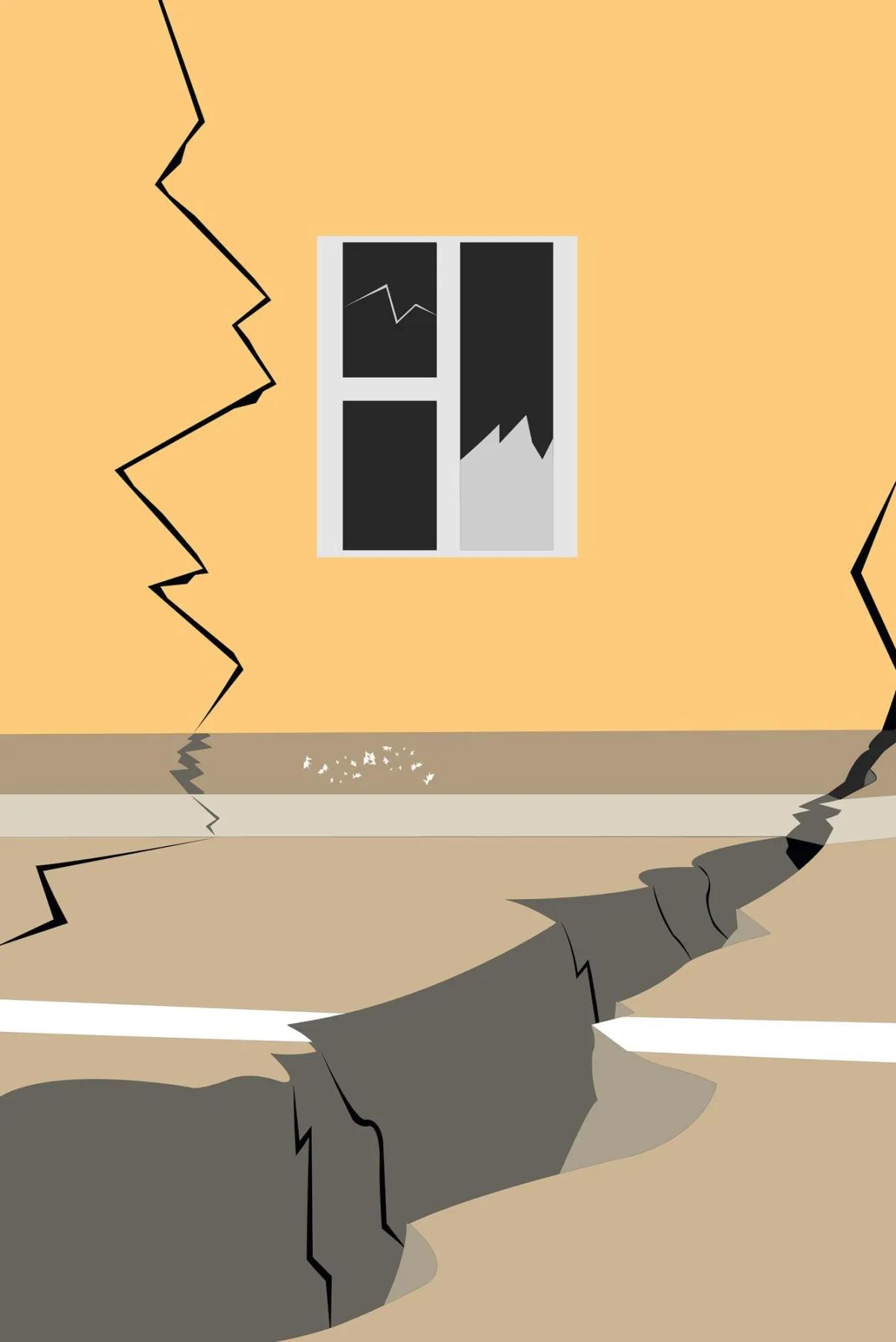
What Happens If My House Is Destroyed In An Earthquake Without Policy
If you are planning to buy a flood insurance policy, you should assess if your house land in a flood-prone area. Many communities can qualify for a policy through FEMA. However, if you live in an area where flood maps change frequently, you may not be able to find one without getting a quote. Vice versa, if you live in a high-risk area, you can purchase a separate policy from a private company.
A typical flood insurance policy will pay for the replacement costs of your home after a flooding event. It does not cover losses that happen before the flood. Moreover, you cannot increase the amount of coverage once the flood starts. In some areas, flood insurance is necessary, but there are also some exceptions. Generally, a flood insurance policy costs about $260 annually for a $100,000-per-inclusion limit. While this is a good start, you must ask if you need a policy.
Some areas are required to have an insurance policy by the federal government. In many cases, the insurance coverage is less than what you need, but the amount is still significant. And a flood insurance policy will provide you with peace of mind.

Washington State, Earthquake & Flood Insurance Trusted Provider
Do you have any questions/concerns?
We work with multiple carriers for your convenience.
News & Blogs
Roof Leak at Night? 24/7 Emergency Roofing Help Is Available
It is late at night, and your household is finally settling down. Then you hear an unfamiliar sound coming from another room.
Drip.
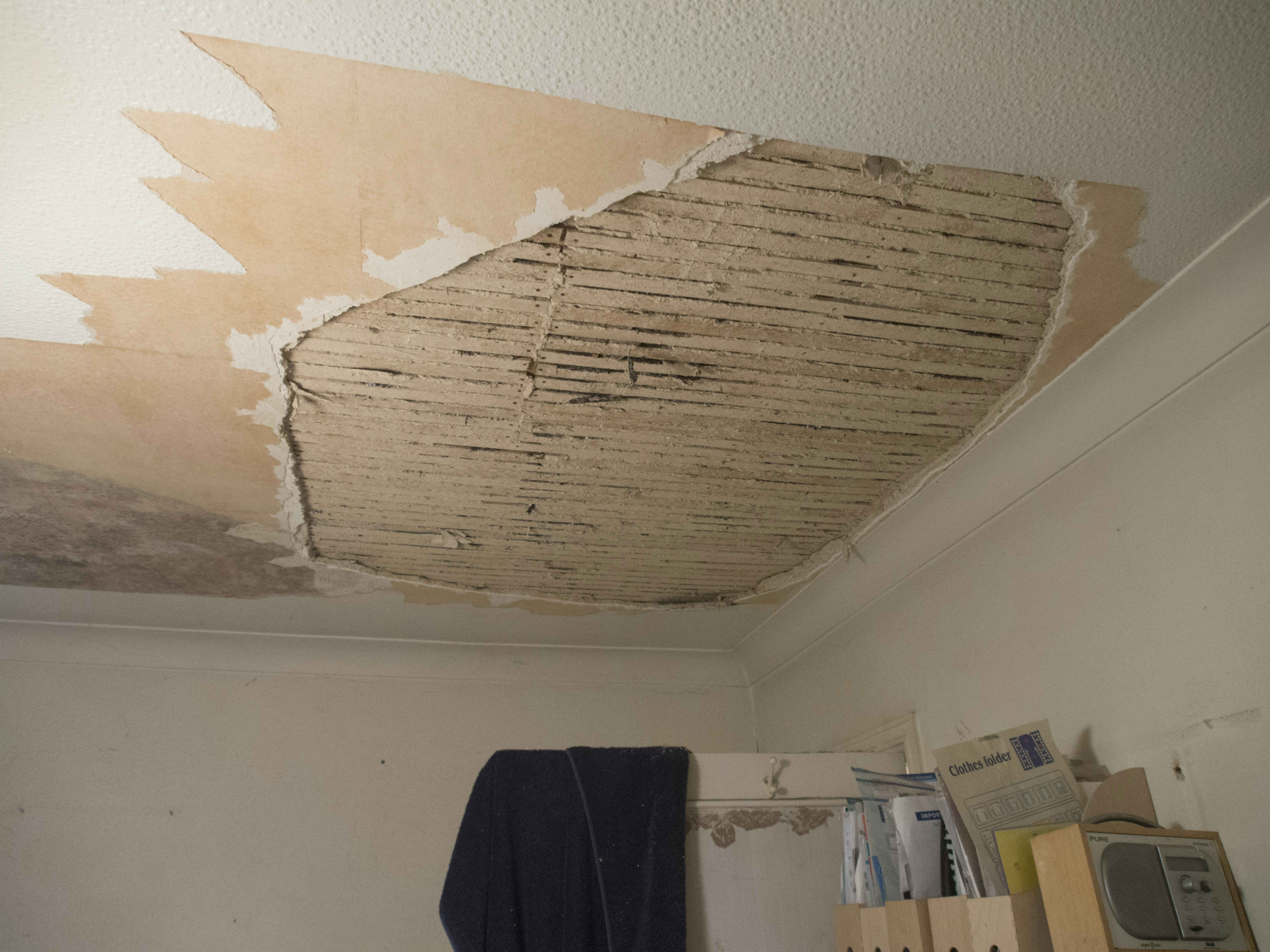
You turn on the light and discover water coming through the ceiling.
A roof leak at night can quickly create stress, especially when you do not know where the water is coming from or how much damage may already exist. You might worry about your furniture, flooring, electrical fixtures, and whether another round of rain will make the situation worse.
The last thing you want is to spend the entire night wondering what to do.
Fortunately, you can begin addressing the situation by protecting the affected area and contacting a professional roofing service. Homeowners seeking emergency roof repair in Boise can ask about available assistance and determine what steps may be necessary.
A Roof Leak at Night Can Feel Like an Emergency
A roof leak can be disruptive at any time, but discovering one after regular business hours can make the situation particularly stressful.
You may not have access to your usual home maintenance contacts, and the weather may still be changing outside.
Start by looking after your household and avoiding unnecessary risks.
If water is dripping into a room, move furniture, electronics, and valuables away from the affected area when possible. Place a container underneath the dripping water if it is safe to do so.
Keep children and pets away from wet floors. Be especially careful around electrical outlets, lighting fixtures, and appliances that may have been exposed to moisture.
If a ceiling appears swollen, sagging, or unstable, stay away from the affected area. Do not attempt to puncture or remove ceiling materials yourself.
Most importantly, do not climb onto the roof in the dark. Wet shingles, poor visibility, and changing weather conditions can create dangerous situations.
A roofing professional can help evaluate the situation and determine whether emergency protection or another repair approach is appropriate.
What Might Be Causing Your Roof Leak?
When water appears inside your home, it is natural to want to know exactly what caused it.
However, several different roofing conditions can create similar symptoms.
Possible contributing factors include:
1. Worn or damaged roofing materials
Shingles and other roofing materials may deteriorate or become damaged over time. If the protective surface is compromised, moisture may enter the roofing system.
2. Problems around roof openings
Vents, chimneys, skylights, and other roof penetrations require appropriate protective components. Flashing or related materials around these areas may develop vulnerabilities.
3. Recent weather-related damage
Strong winds, hail, heavy rain, and falling debris may affect different parts of a roof. The resulting damage may not always be immediately visible from inside the home.
Other conditions may also contribute to a leak.
The location of the ceiling stain does not necessarily identify the original entry point. Water may travel along different surfaces before becoming noticeable indoors.
A professional inspection is the appropriate way to evaluate the roof and identify possible repair needs.
What You Can Safely Do Before Emergency Roof Help Arrives
During an active leak, your priority should be protecting people and belongings rather than attempting to repair the roof yourself.
Here are practical precautions to consider:
Move valuables away from areas where water is entering.
Use a container to collect dripping water when it is safe.
Keep children and pets away from wet surfaces.
Avoid electrical fixtures or appliances exposed to moisture.
Stay away from ceilings that appear unstable.
Avoid climbing onto the roof or using ladders during unsafe weather.
Take photographs of visible damage when doing so does not create additional risk.
If you notice water spreading into several rooms, mention that when contacting the roofing company.
You should also explain whether the leak started during a storm, whether it is actively dripping, and whether you have noticed missing shingles or other visible roof damage.
This information may help the roofing professional understand the urgency of the situation.
Emergency Tarping, Roof Repair, and Other Possible Solutions
Once the roof has been evaluated, a professional may recommend several possible approaches depending on the condition of the affected area.
Emergency roof tarping: A temporary protective covering may help reduce additional weather exposure when part of the roofing system is damaged or exposed.
Localized roof repair: If the problem involves a limited area, repairing damaged shingles, flashing, or other components may be appropriate.
A broader repair plan: If the inspection reveals more extensive concerns, additional roofing work may be recommended after the immediate situation has been addressed.
The appropriate option depends on the roof's construction, the materials involved, and the extent of the damage.
It is important not to assume that every leak requires a complete roof replacement. At the same time, a small visible stain does not necessarily mean the problem is limited to one small area.
Professional evaluation can help establish a more accurate repair plan.
Get Emergency Roofing Help in Boise—Day or Night
Roof leaks rarely happen at convenient times. They can begin during evening storms, overnight rainfall, or weekends when homeowners are least prepared.
BoiseRoofers.net advertises emergency roofing assistance, roof leak repair, roof tarping, and related services for Boise and surrounding Treasure Valley communities.
Whether you are located in Boise, Meridian, Nampa, Eagle, Kuna, Star, Caldwell, Garden City, Middleton, or Mountain Home, you can contact the roofing team to discuss your situation.
When you call, explain that you have an active roof leak and provide details about the affected area. Ask about emergency service availability and the next steps for arranging an inspection.
If water is entering your home tonight, do not wait until the situation becomes more disruptive. Contact BoiseRoofers.net through its verified published contact number and ask about available emergency roofing assistance.
You do not have to determine the source of the leak yourself. Getting professional guidance is a practical first step toward protecting your home and arranging the appropriate repairs.
Disclaimer: This article provides general information only and should not be construed as professional roofing, construction, or safety advice. Always consult with a qualified roofing professional regarding roof damage, leaks, or other property concerns.

Affordable Insurance With Personal Service - Local Agents & Brokers

All Rights Reserved | Washington Earthquake & Flood Insurance
Privacy Policy | Disclaimer Terms & Conditions
Contact Us


