
Washington Earthquake Insurance Coverage
An earthquake is one of the most devastating events that can happen. Your homeowners/renter’s policy will not work in the event of an earthquake. To protect yourself and your property against this, an earthquake insurance policy is specially made for this kind of disaster.
Earthquake Insurance Benefits & Coverage
Dwelling Coverage
In California, only 10% of people purchase insurance against these risks. In Washington, the number has risen to 11.3%, and in New Madrid, it has dropped to 12.7%. Dwelling coverage helps cover the home up to its included amount.
Personal Property Coverage
The furniture. computer and TV are most likely included when buying a policy. However, you can get more coverage when you buy additional breakable coverage.
Additional Living Expenses
Is the term for the expenses you incur while relocating to another location. While some homeowner's policies cover earthquake damage, many don't. Earthquake insurance can help cover the costs of temporary living expenses, such as food and hotel stays.
Cost To Remove Debris
The most likely types of homes to be damaged by an earthquake are wood-frame homes, multi-story buildings, and brick homes. Earthquake insurance can cover the cost to remove the debris damage to your property due to the earthquake.
Why Buy An Earthquake Insurance
Important questions most of our clients asked are: “Do I need an earthquake insurance policy?” To answer this is yes! Even though your house is located where earthquakes are rare, you should acquire at least the standard policy. According to a study, all 50 states in the USA are likely to experience these ground-shaking events. Most people think that the policy is expensive, however, buying coverage can cost $800 per year, this will work with $500,000 worth of coverage.
It's crucial to have this coverage because of the high possibility of earthquakes damaging your home. Most policies allow you to set a deductible of 5%, 10%, 15%, or 25% of your dwelling coverage limit. That way, you'd pay a deductible of $45,000 if your home were destroyed by an earthquake, and your insurer would pay the rest.
Earthquake insurance covers damage caused by earthquakes, volcanoes, and other seismic events. It also specifies a period for a single event. The payout will pay for repairs and replacements to your home, other structures, and personal belongings. It also covers earthquake-related land stabilization and loss-of-use coverage. This policy is beneficial for earthquake-prone areas and those with a lot of buildings made of brick, stone, or clay.
While earthquake insurance is useful for reducing losses from earthquakes, it can be very costly, especially if your home is located in a low-risk area. In such areas, some policies will not cover the full cost of repair or rebuilding, make sure to check the state and local laws before deciding to buy a policy. This can save you thousands of dollars in the long run.
What's Cover & Not?
Protect Your Investment Against Earthquake
The standard homeowner policies don't cover earthquakes. But you can add earthquake insurance as an endorsement to your policy. The coverage includes the pay—for repairs to your dwelling and any other structures attached to it. If an earthquake causes damage to your personal property, it will cover the cost to remove debris. Additionally, it may even pay for extra living expenses.
The type of insurance you purchase depends on the state where you live. For example, Californian homeowners insurance is required by law to include earthquake coverage because of the high risk of seismic earthquakes. Some states do not require to have them, however, they can help you protect against quakes. Also, earthquakes can be caused by modern disposal methods. So, earthquake insurance may be worth considering even if you live in a state with a low risk of seismic activity.
Part 1: Dwelling Coverage: Sometimes referred to as Coverage A which covers home up to included amount, but not excluded with the following:
Your homeowners’ policy limit will be the same as your earthquake insurance.
The deductibles may range between 5%, 10%, 15,%, 20%, and 25%.
Most earthquake policies excluded landscaping, pools, fences, masonry, or separate buildings.
Renting or owning a condo, does not need to buy a policy.
Part 2: Personal Property Coverage. Also known as Coverage C which covers the things inside your home, like furniture, TVs, and computers.
A $5,000 standard limit which you can increase up to $200,000.
The deductibles may range between 5%, 10%, 15,%, 20%, and 25%.
More coverage can protect you if you purchase additional breakable coverage.
Part 3: Additional Living Expenses/Loss of Use. A Coverage D provides temporary and extra costs to live somewhere else like hotels, while your house is inhabitable or being repaired.
Typically covers temporary rentals of homes, apartments, and hotel rooms, as well as restaurant meals, temporary telephone lines, furniture rental, and laundry.
The deductibles may range between 5%, 10%, 15,%, 20%, and 25%.
More coverage can protect you if you purchase additional breakable coverage.
The limit can range from $1,500 up to $100,000.
Emergency repairs coverage pays for the cost of replacing damaged items. It typically covers 5% of your dwelling and/or personal property limit. The premium will be determined depending on your deductible. Earthquake insurance deductibles will vary, but most are between ten to fifteen percent of the total rebuild value of your home. For homeowners who are concerned about their deductible, they can purchase earthquake insurance that will cover these costs.
Whether you need it or not, it is best to understand how a single event can wiped-out all of our dreams. Prevention is always better than cure, protect yourself and your assets by buying an earthquake insurance policy, which can be beneficial shortly. Or especially if you are in a high-risk quake area.
Flood Insurance Experts
Flood Insurance Experts
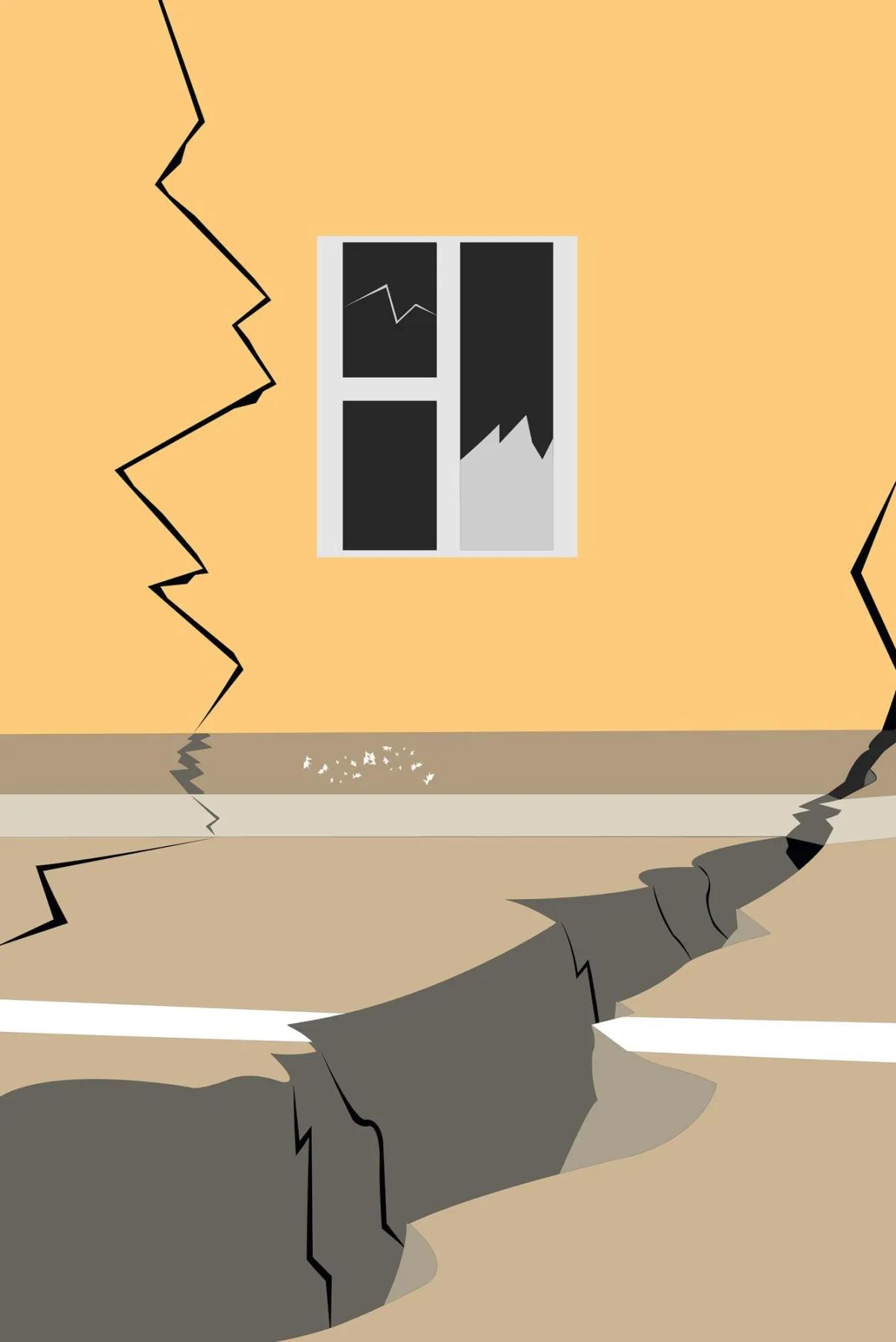
What Happens If My House Is Destroyed In An Earthquake Without Policy
If you are planning to buy a flood insurance policy, you should assess if your house land in a flood-prone area. Many communities can qualify for a policy through FEMA. However, if you live in an area where flood maps change frequently, you may not be able to find one without getting a quote. Vice versa, if you live in a high-risk area, you can purchase a separate policy from a private company.
A typical flood insurance policy will pay for the replacement costs of your home after a flooding event. It does not cover losses that happen before the flood. Moreover, you cannot increase the amount of coverage once the flood starts. In some areas, flood insurance is necessary, but there are also some exceptions. Generally, a flood insurance policy costs about $260 annually for a $100,000-per-inclusion limit. While this is a good start, you must ask if you need a policy.
Some areas are required to have an insurance policy by the federal government. In many cases, the insurance coverage is less than what you need, but the amount is still significant. And a flood insurance policy will provide you with peace of mind.

Washington State, Earthquake & Flood Insurance Trusted Provider
Do you have any questions/concerns?
We work with multiple carriers for your convenience.
News & Blogs
Missing Shingles After High Winds? Don't Wait for the Next Leak
Discovering missing shingles after a windy day can be unsettling. You might notice roofing materials scattered across your yard, exposed sections along the roofline, or shingles that appear lifted or uneven.
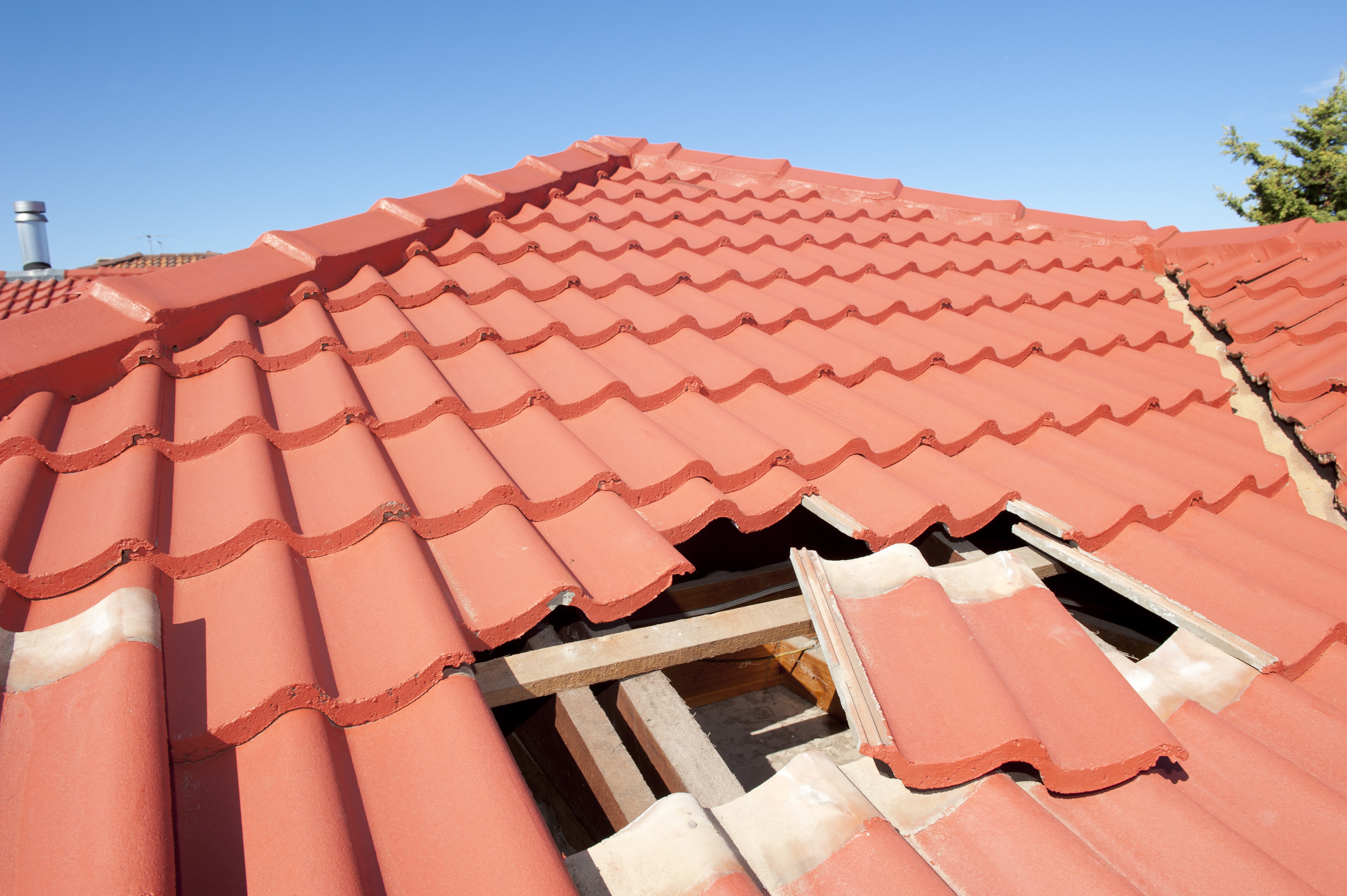
Even if your home is not leaking right now, visible roof damage should not be ignored. Your roofing system is designed to help protect your property from changing weather conditions. When shingles become displaced or go missing, certain areas may become more vulnerable to moisture and additional damage.
For Boise homeowners, getting a professional inspection can help determine whether the problem requires an immediate repair or a more comprehensive roofing solution.
If you have noticed missing shingles after high winds, contacting a local roofing professional is a practical first step.
Missing Shingles Can Leave Your Roof Vulnerable
Shingles provide an important protective layer for many residential roofing systems. They work alongside underlayment, flashing, decking, and other components to help protect the structure from weather exposure.
When shingles become loose or disappear, the affected section may no longer provide the same level of protection.
You may notice the problem immediately, especially if several shingles are lying in your yard. However, some roofing damage is less obvious. Other materials may have shifted, lifted, or become loosened without falling completely off the roof.
This is why inspecting the roof from the ground cannot always tell you everything you need to know.
A missing shingle does not automatically mean that the entire roof needs replacement. Depending on the condition of the surrounding materials, a localized repair may be sufficient.
However, leaving damaged areas unaddressed can expose the roof to additional weather. Rain, wind, and other environmental conditions may affect areas that have already lost some of their protective coverage.
A professional roof inspection can help determine the extent of the damage and identify an appropriate repair approach.
Three Possible Problems Behind Visible Roof Damage
Missing shingles can have several possible explanations. Understanding these possibilities can help homeowners recognize why an inspection is important.
1. Wind lifting or loosening roofing materials
Strong gusts can place pressure on roofing materials. Depending on the roof's condition and installation, wind may lift, displace, or loosen shingles.
2. Aging or worn roofing materials
Roofing materials naturally experience wear over time. Older shingles may become more vulnerable to environmental exposure, particularly when their protective properties have deteriorated.
3. Problems with fasteners or nearby roofing components
Fasteners, flashing, and surrounding materials help support the roofing system. If these components become damaged or loosened, nearby shingles may also be affected.
Other factors, including falling debris and previous roof damage, may contribute to the condition.
These possibilities are not definitive diagnoses. A roofing professional needs to evaluate the actual condition of the roof before recommending repairs.
Why Waiting Can Make a Small Roofing Problem More Expensive
It is easy to postpone a roofing repair when there is no visible leak inside the home. Some homeowners assume that if water is not entering the house, the problem can wait indefinitely.
However, exposed or damaged roofing areas may remain vulnerable to future weather.
A subsequent rainstorm could introduce moisture into areas that have become less protected. Additional wind may also affect nearby materials that are already loose or compromised.
There is another important consideration: roofing damage can sometimes extend beyond the area that is immediately visible.
For example, one missing shingle may be accompanied by loose materials nearby. An inspection can help determine whether the issue is isolated or whether additional sections require attention.
Addressing the problem promptly also gives you an opportunity to understand the condition of your roof before deciding how to proceed.
If you live in Boise or the surrounding Treasure Valley, professional assistance can help you avoid making repair decisions based solely on what you can see from the ground.
What Can a Boise Roofing Professional Do?
The appropriate solution depends on the inspection findings, the roofing materials, and the extent of the damage.
A roofing professional may recommend several options:
Replacing missing or damaged shingles: New roofing materials may be installed in affected areas when the surrounding roof remains suitable for repair.
Repairing flashing and related components: If flashing or nearby materials have also been affected, those components may require attention.
Installing temporary protective tarping: If the roof has an exposed area that needs immediate protection, temporary tarping may be considered until permanent repairs are completed.
The professional may also recommend checking nearby roof sections to determine whether the visible damage is part of a larger problem.
A good inspection should provide a clearer understanding of what needs attention, which repairs are urgent, and whether additional work should be considered.
Call for Fast Roof Repair in Boise and the Treasure Valley
Missing shingles after high winds are a reason to take a closer look at your roofing system. Waiting until water enters your home may limit your options for addressing the problem before additional exposure occurs.
BoiseRoofers.net lists roof repair, emergency roofing, roof tarping, and storm damage repair among its services.
Its listed service communities include Boise, Meridian, Eagle, Nampa, Kuna, Star, Caldwell, Garden City, Middleton, and Mountain Home.
If you notice shingles scattered around your property or visible damage along your roofline, contact the roofing team to discuss your situation and request an inspection.
You can explain when the damage appeared, whether there was recent high wind activity, and whether you have noticed any interior water stains.
Don't wait for another storm to find out whether your roof needs attention. Contact BoiseRoofers.net through its verified website contact number to discuss available roof repair assistance.
Disclaimer: This article provides general information only and should not be construed as professional roofing, construction, or safety advice. Always consult with a qualified roofing professional regarding roof damage, leaks, or other property concerns.

Affordable Insurance With Personal Service - Local Agents & Brokers

All Rights Reserved | Washington Earthquake & Flood Insurance
Privacy Policy | Disclaimer Terms & Conditions
Contact Us


