
Washington Earthquake Insurance Coverage
An earthquake is one of the most devastating events that can happen. Your homeowners/renter’s policy will not work in the event of an earthquake. To protect yourself and your property against this, an earthquake insurance policy is specially made for this kind of disaster.
Earthquake Insurance Benefits & Coverage
Dwelling Coverage
In California, only 10% of people purchase insurance against these risks. In Washington, the number has risen to 11.3%, and in New Madrid, it has dropped to 12.7%. Dwelling coverage helps cover the home up to its included amount.
Personal Property Coverage
The furniture. computer and TV are most likely included when buying a policy. However, you can get more coverage when you buy additional breakable coverage.
Additional Living Expenses
Is the term for the expenses you incur while relocating to another location. While some homeowner's policies cover earthquake damage, many don't. Earthquake insurance can help cover the costs of temporary living expenses, such as food and hotel stays.
Cost To Remove Debris
The most likely types of homes to be damaged by an earthquake are wood-frame homes, multi-story buildings, and brick homes. Earthquake insurance can cover the cost to remove the debris damage to your property due to the earthquake.
Why Buy An Earthquake Insurance
Important questions most of our clients asked are: “Do I need an earthquake insurance policy?” To answer this is yes! Even though your house is located where earthquakes are rare, you should acquire at least the standard policy. According to a study, all 50 states in the USA are likely to experience these ground-shaking events. Most people think that the policy is expensive, however, buying coverage can cost $800 per year, this will work with $500,000 worth of coverage.
It's crucial to have this coverage because of the high possibility of earthquakes damaging your home. Most policies allow you to set a deductible of 5%, 10%, 15%, or 25% of your dwelling coverage limit. That way, you'd pay a deductible of $45,000 if your home were destroyed by an earthquake, and your insurer would pay the rest.
Earthquake insurance covers damage caused by earthquakes, volcanoes, and other seismic events. It also specifies a period for a single event. The payout will pay for repairs and replacements to your home, other structures, and personal belongings. It also covers earthquake-related land stabilization and loss-of-use coverage. This policy is beneficial for earthquake-prone areas and those with a lot of buildings made of brick, stone, or clay.
While earthquake insurance is useful for reducing losses from earthquakes, it can be very costly, especially if your home is located in a low-risk area. In such areas, some policies will not cover the full cost of repair or rebuilding, make sure to check the state and local laws before deciding to buy a policy. This can save you thousands of dollars in the long run.
What's Cover & Not?
Protect Your Investment Against Earthquake
The standard homeowner policies don't cover earthquakes. But you can add earthquake insurance as an endorsement to your policy. The coverage includes the pay—for repairs to your dwelling and any other structures attached to it. If an earthquake causes damage to your personal property, it will cover the cost to remove debris. Additionally, it may even pay for extra living expenses.
The type of insurance you purchase depends on the state where you live. For example, Californian homeowners insurance is required by law to include earthquake coverage because of the high risk of seismic earthquakes. Some states do not require to have them, however, they can help you protect against quakes. Also, earthquakes can be caused by modern disposal methods. So, earthquake insurance may be worth considering even if you live in a state with a low risk of seismic activity.
Part 1: Dwelling Coverage: Sometimes referred to as Coverage A which covers home up to included amount, but not excluded with the following:
Your homeowners’ policy limit will be the same as your earthquake insurance.
The deductibles may range between 5%, 10%, 15,%, 20%, and 25%.
Most earthquake policies excluded landscaping, pools, fences, masonry, or separate buildings.
Renting or owning a condo, does not need to buy a policy.
Part 2: Personal Property Coverage. Also known as Coverage C which covers the things inside your home, like furniture, TVs, and computers.
A $5,000 standard limit which you can increase up to $200,000.
The deductibles may range between 5%, 10%, 15,%, 20%, and 25%.
More coverage can protect you if you purchase additional breakable coverage.
Part 3: Additional Living Expenses/Loss of Use. A Coverage D provides temporary and extra costs to live somewhere else like hotels, while your house is inhabitable or being repaired.
Typically covers temporary rentals of homes, apartments, and hotel rooms, as well as restaurant meals, temporary telephone lines, furniture rental, and laundry.
The deductibles may range between 5%, 10%, 15,%, 20%, and 25%.
More coverage can protect you if you purchase additional breakable coverage.
The limit can range from $1,500 up to $100,000.
Emergency repairs coverage pays for the cost of replacing damaged items. It typically covers 5% of your dwelling and/or personal property limit. The premium will be determined depending on your deductible. Earthquake insurance deductibles will vary, but most are between ten to fifteen percent of the total rebuild value of your home. For homeowners who are concerned about their deductible, they can purchase earthquake insurance that will cover these costs.
Whether you need it or not, it is best to understand how a single event can wiped-out all of our dreams. Prevention is always better than cure, protect yourself and your assets by buying an earthquake insurance policy, which can be beneficial shortly. Or especially if you are in a high-risk quake area.
Flood Insurance Experts
Flood Insurance Experts
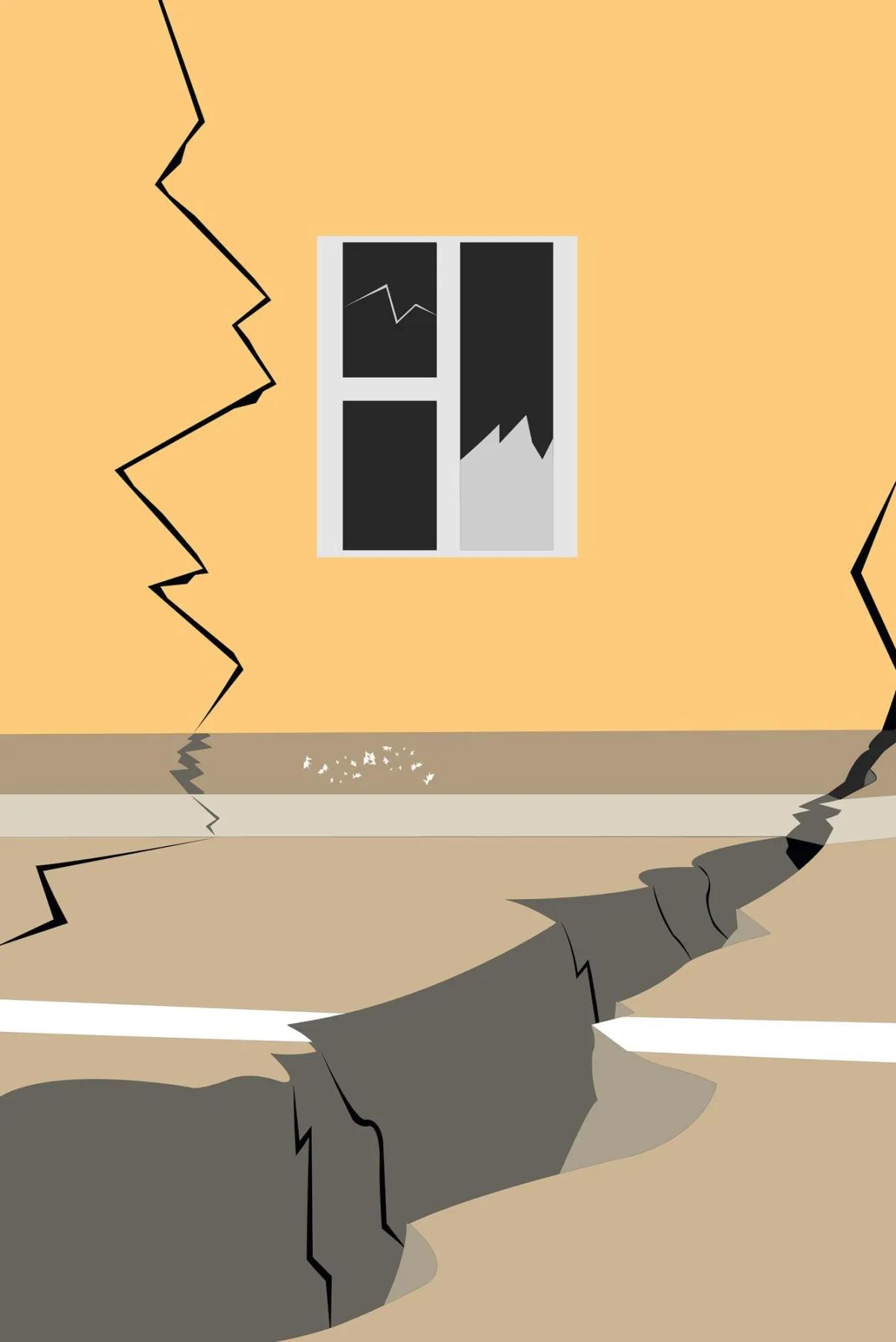
What Happens If My House Is Destroyed In An Earthquake Without Policy
If you are planning to buy a flood insurance policy, you should assess if your house land in a flood-prone area. Many communities can qualify for a policy through FEMA. However, if you live in an area where flood maps change frequently, you may not be able to find one without getting a quote. Vice versa, if you live in a high-risk area, you can purchase a separate policy from a private company.
A typical flood insurance policy will pay for the replacement costs of your home after a flooding event. It does not cover losses that happen before the flood. Moreover, you cannot increase the amount of coverage once the flood starts. In some areas, flood insurance is necessary, but there are also some exceptions. Generally, a flood insurance policy costs about $260 annually for a $100,000-per-inclusion limit. While this is a good start, you must ask if you need a policy.
Some areas are required to have an insurance policy by the federal government. In many cases, the insurance coverage is less than what you need, but the amount is still significant. And a flood insurance policy will provide you with peace of mind.

Washington State, Earthquake & Flood Insurance Trusted Provider
Do you have any questions/concerns?
We work with multiple carriers for your convenience.
News & Blogs
Gutter Pulling Away From Your House? Get Emergency Repair in Baton Rouge
Gutter Pulling Away From Your House? Get Emergency Repair in Baton Rouge
A gutter that is sagging, hanging loose, or pulling away from the roofline is not a problem most homeowners want to ignore.
Whether the issue appeared after heavy weather or developed gradually, a loose gutter can change how rainwater moves around your home. For property owners in Baton Rouge and nearby communities such as Prairieville, Gonzales, Denham Springs, Central, Walker, and Zachary, getting the system inspected promptly can help prevent further damage.
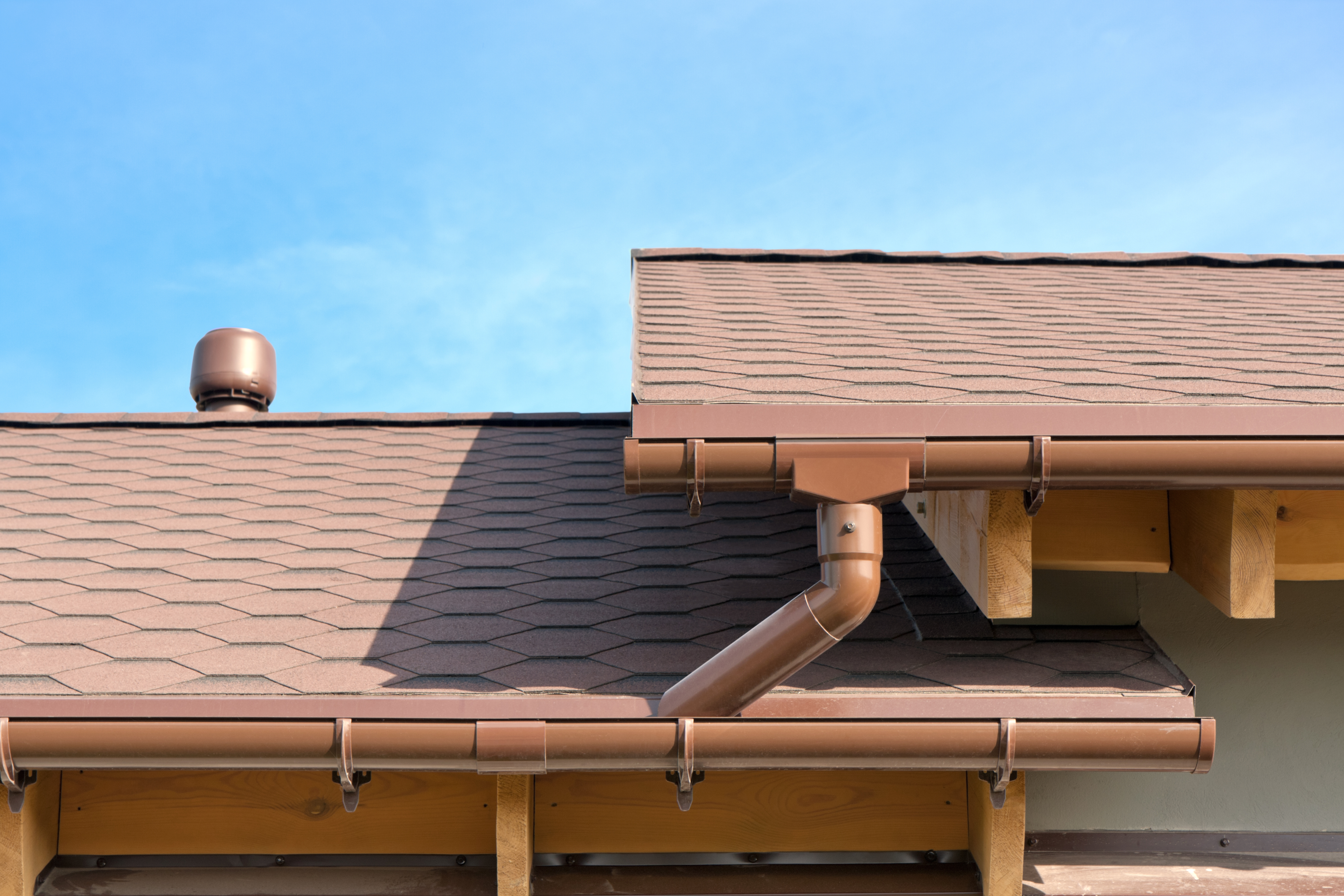
Why Is My Gutter Sagging or Pulling Away?
A detached gutter can have several possible causes. The problem may be connected to:
Loose, damaged, or failing hangers and fasteners
Heavy debris or standing water adding excess weight
Storm-related wind or impact damage
Weak or damaged material behind the gutter attachment points
Because several factors can produce similar symptoms, a professional inspection is often the best way to determine what needs attention.
Why a Loose Gutter Can Become an Urgent Problem
A gutter that is no longer securely attached may not direct water where it should go. During the next period of heavy rain, water could spill unpredictably around the property.
You may also notice:
Water running down exterior walls
Overflow near entrances or walkways
Gutter sections shifting or separating
Downspouts becoming misaligned
If the gutter appears unstable, avoid attempting risky repairs from a ladder during wet or stormy conditions.
What Are the Options for Repairing a Detached Gutter?
Depending on the condition of the gutter system, a qualified professional may suggest several approaches:
Re-securing loose gutter sections with appropriate hardware
Replacing damaged hangers, brackets, or connectors
Repairing affected fascia or attachment areas when necessary
Replacing severely damaged sections of the gutter system
The best option depends on the extent of the damage and how the entire drainage system is performing.
Signs You Should Call for Fast Gutter Service
Do not put off an inspection if you see:
A section visibly separating from the house
Gutters sagging under the weight of water or debris
Fasteners or brackets coming loose
Water pouring behind the gutter instead of into it
Fast action may help address the immediate problem before another storm places additional stress on the system.
Call for Emergency Gutter Repair in Baton Rouge
If your gutter is pulling away from your home, you do not have to wait and hope the problem stays the same.
Baton Rouge homeowners and residents of surrounding communities can call (877) 853-5701 to ask about emergency gutter repair and available service.
Disclaimer: This article provides general information only and should not be construed as professional property, construction, or repair advice. Always consult with a qualified gutter or home service professional regarding any gutter emergency or property condition.

Affordable Insurance With Personal Service - Local Agents & Brokers

All Rights Reserved | Washington Earthquake & Flood Insurance
Privacy Policy | Disclaimer Terms & Conditions
Contact Us


