
Washington Earthquake Insurance Coverage
An earthquake is one of the most devastating events that can happen. Your homeowners/renter’s policy will not work in the event of an earthquake. To protect yourself and your property against this, an earthquake insurance policy is specially made for this kind of disaster.
Earthquake Insurance Benefits & Coverage
Dwelling Coverage
In California, only 10% of people purchase insurance against these risks. In Washington, the number has risen to 11.3%, and in New Madrid, it has dropped to 12.7%. Dwelling coverage helps cover the home up to its included amount.
Personal Property Coverage
The furniture. computer and TV are most likely included when buying a policy. However, you can get more coverage when you buy additional breakable coverage.
Additional Living Expenses
Is the term for the expenses you incur while relocating to another location. While some homeowner's policies cover earthquake damage, many don't. Earthquake insurance can help cover the costs of temporary living expenses, such as food and hotel stays.
Cost To Remove Debris
The most likely types of homes to be damaged by an earthquake are wood-frame homes, multi-story buildings, and brick homes. Earthquake insurance can cover the cost to remove the debris damage to your property due to the earthquake.
Why Buy An Earthquake Insurance
Important questions most of our clients asked are: “Do I need an earthquake insurance policy?” To answer this is yes! Even though your house is located where earthquakes are rare, you should acquire at least the standard policy. According to a study, all 50 states in the USA are likely to experience these ground-shaking events. Most people think that the policy is expensive, however, buying coverage can cost $800 per year, this will work with $500,000 worth of coverage.
It's crucial to have this coverage because of the high possibility of earthquakes damaging your home. Most policies allow you to set a deductible of 5%, 10%, 15%, or 25% of your dwelling coverage limit. That way, you'd pay a deductible of $45,000 if your home were destroyed by an earthquake, and your insurer would pay the rest.
Earthquake insurance covers damage caused by earthquakes, volcanoes, and other seismic events. It also specifies a period for a single event. The payout will pay for repairs and replacements to your home, other structures, and personal belongings. It also covers earthquake-related land stabilization and loss-of-use coverage. This policy is beneficial for earthquake-prone areas and those with a lot of buildings made of brick, stone, or clay.
While earthquake insurance is useful for reducing losses from earthquakes, it can be very costly, especially if your home is located in a low-risk area. In such areas, some policies will not cover the full cost of repair or rebuilding, make sure to check the state and local laws before deciding to buy a policy. This can save you thousands of dollars in the long run.
What's Cover & Not?
Protect Your Investment Against Earthquake
The standard homeowner policies don't cover earthquakes. But you can add earthquake insurance as an endorsement to your policy. The coverage includes the pay—for repairs to your dwelling and any other structures attached to it. If an earthquake causes damage to your personal property, it will cover the cost to remove debris. Additionally, it may even pay for extra living expenses.
The type of insurance you purchase depends on the state where you live. For example, Californian homeowners insurance is required by law to include earthquake coverage because of the high risk of seismic earthquakes. Some states do not require to have them, however, they can help you protect against quakes. Also, earthquakes can be caused by modern disposal methods. So, earthquake insurance may be worth considering even if you live in a state with a low risk of seismic activity.
Part 1: Dwelling Coverage: Sometimes referred to as Coverage A which covers home up to included amount, but not excluded with the following:
Your homeowners’ policy limit will be the same as your earthquake insurance.
The deductibles may range between 5%, 10%, 15,%, 20%, and 25%.
Most earthquake policies excluded landscaping, pools, fences, masonry, or separate buildings.
Renting or owning a condo, does not need to buy a policy.
Part 2: Personal Property Coverage. Also known as Coverage C which covers the things inside your home, like furniture, TVs, and computers.
A $5,000 standard limit which you can increase up to $200,000.
The deductibles may range between 5%, 10%, 15,%, 20%, and 25%.
More coverage can protect you if you purchase additional breakable coverage.
Part 3: Additional Living Expenses/Loss of Use. A Coverage D provides temporary and extra costs to live somewhere else like hotels, while your house is inhabitable or being repaired.
Typically covers temporary rentals of homes, apartments, and hotel rooms, as well as restaurant meals, temporary telephone lines, furniture rental, and laundry.
The deductibles may range between 5%, 10%, 15,%, 20%, and 25%.
More coverage can protect you if you purchase additional breakable coverage.
The limit can range from $1,500 up to $100,000.
Emergency repairs coverage pays for the cost of replacing damaged items. It typically covers 5% of your dwelling and/or personal property limit. The premium will be determined depending on your deductible. Earthquake insurance deductibles will vary, but most are between ten to fifteen percent of the total rebuild value of your home. For homeowners who are concerned about their deductible, they can purchase earthquake insurance that will cover these costs.
Whether you need it or not, it is best to understand how a single event can wiped-out all of our dreams. Prevention is always better than cure, protect yourself and your assets by buying an earthquake insurance policy, which can be beneficial shortly. Or especially if you are in a high-risk quake area.
Flood Insurance Experts
Flood Insurance Experts
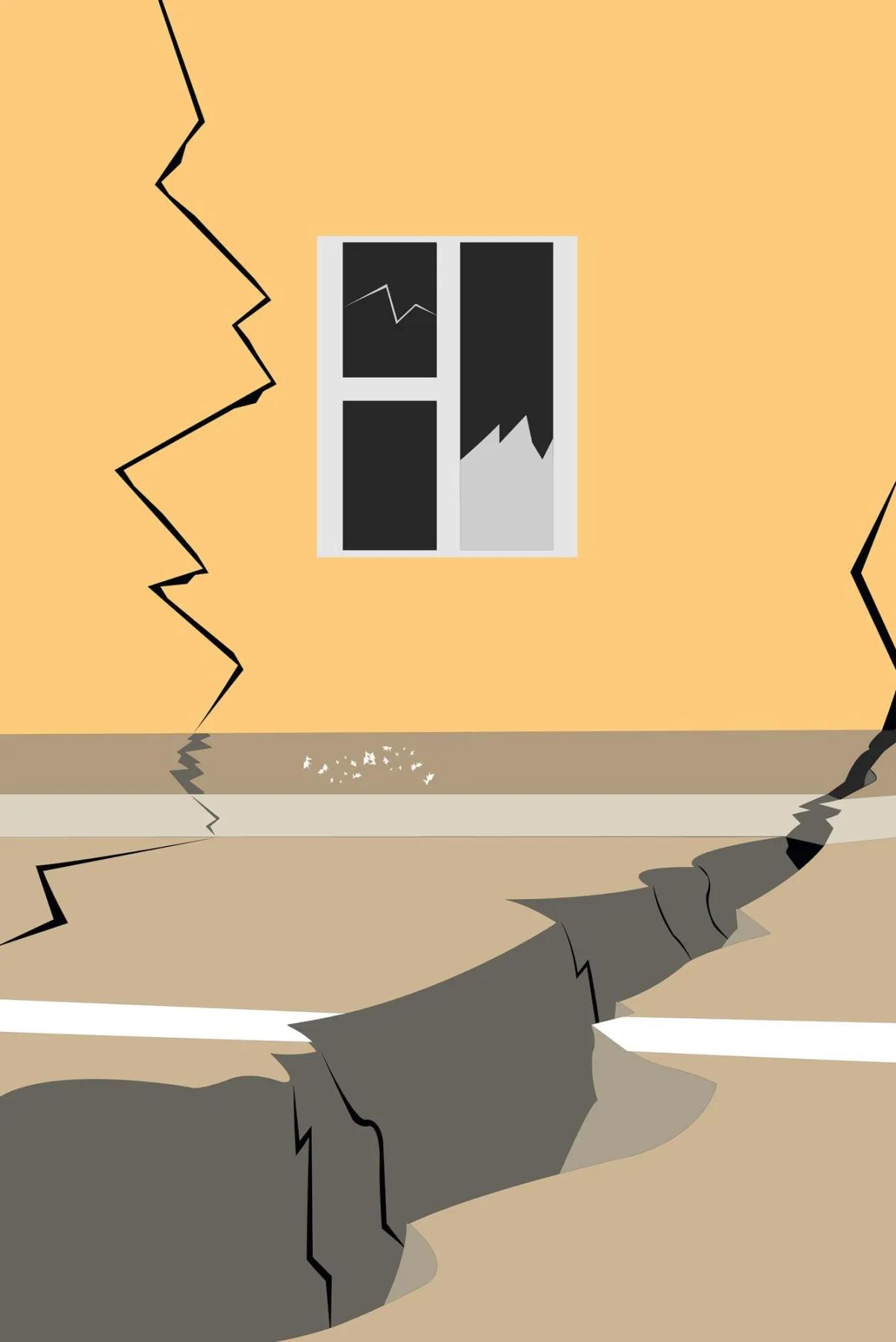
What Happens If My House Is Destroyed In An Earthquake Without Policy
If you are planning to buy a flood insurance policy, you should assess if your house land in a flood-prone area. Many communities can qualify for a policy through FEMA. However, if you live in an area where flood maps change frequently, you may not be able to find one without getting a quote. Vice versa, if you live in a high-risk area, you can purchase a separate policy from a private company.
A typical flood insurance policy will pay for the replacement costs of your home after a flooding event. It does not cover losses that happen before the flood. Moreover, you cannot increase the amount of coverage once the flood starts. In some areas, flood insurance is necessary, but there are also some exceptions. Generally, a flood insurance policy costs about $260 annually for a $100,000-per-inclusion limit. While this is a good start, you must ask if you need a policy.
Some areas are required to have an insurance policy by the federal government. In many cases, the insurance coverage is less than what you need, but the amount is still significant. And a flood insurance policy will provide you with peace of mind.

Washington State, Earthquake & Flood Insurance Trusted Provider
Do you have any questions/concerns?
We work with multiple carriers for your convenience.
News & Blogs
Dental Implant Problem in Tulsa? Find Urgent Dental Care
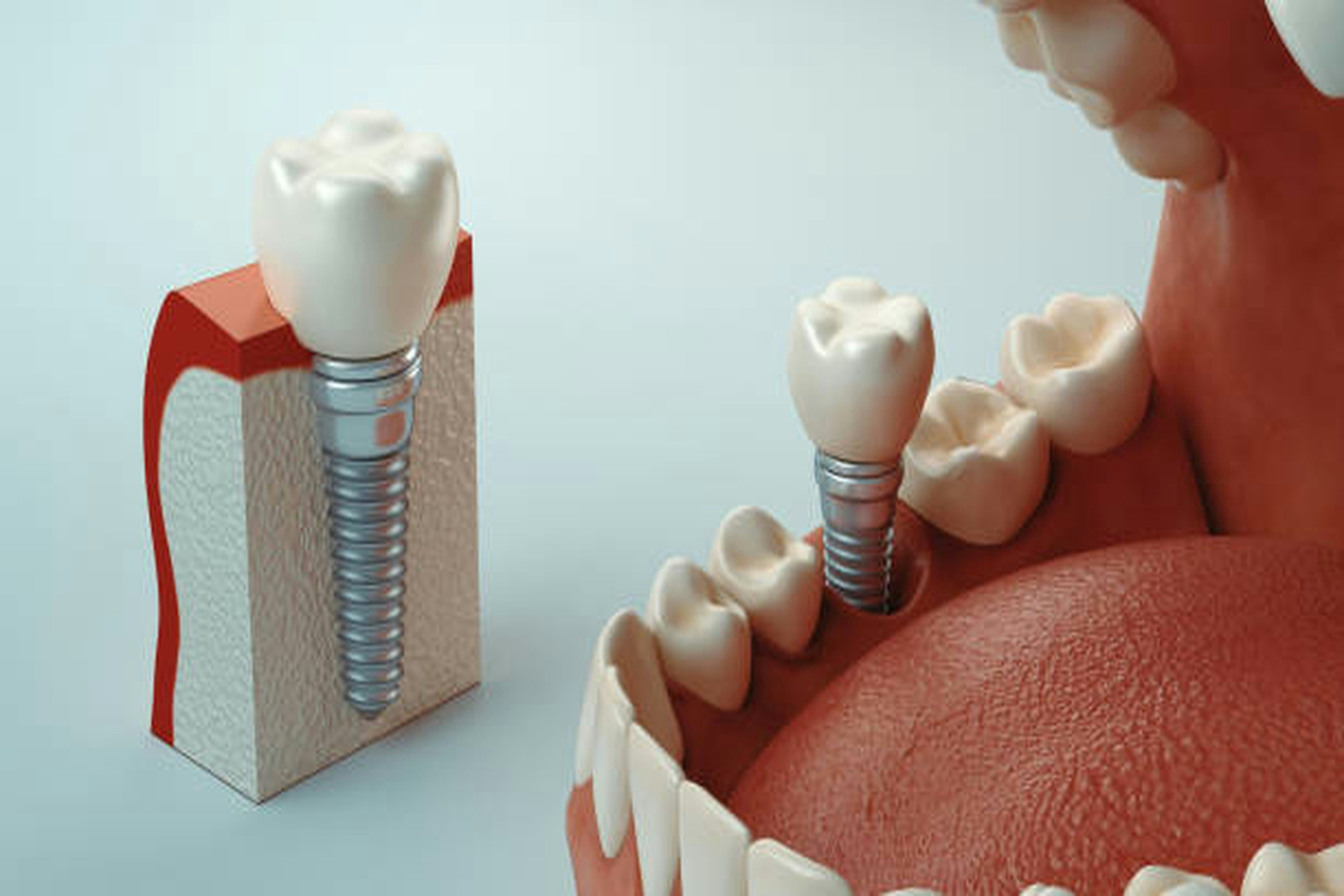
Dental implants are designed to replace missing teeth, but problems can sometimes develop during healing or after the final restoration has been placed. If an implant crown begins to move, the surrounding gums become swollen, or you notice an unexpected change around the implant, professional evaluation is important.
Not every implant problem means the implant has failed. A loose crown, inflammation of the surrounding gums, and a problem involving the implant itself are different conditions that may require different treatments.
If you notice a change in your dental implant, contact your implant dentist or another qualified dental professional. Emergency Dental Tulsa offers phone-based assistance for callers seeking dental appointments in Tulsa and surrounding communities.
Call (918) 727-7941 for help locating available dental care.
Which Dental Implant Problems Need Prompt Attention?
Dental implants consist of several components, including the implant fixture, the connecting abutment, and the visible crown or restoration. Problems can affect one component or several parts of the supporting structure.
Contact a dental professional promptly if you notice:
An implant crown or bridge that moves when you eat.
New swelling, redness, or bleeding around the implant.
Discharge or an unpleasant taste near the implant site.
A change in the way your teeth fit together.
A component that appears loose or has detached.
Difficulty chewing because the implant restoration no longer feels stable.
These symptoms do not confirm implant failure. However, they may indicate a mechanical problem, inflammation, infection, or another condition that requires assessment.
If an implant restoration becomes loose, avoid repeatedly testing it with your tongue or fingers. Do not attempt to tighten a screw or remove a component yourself.
Rapidly spreading facial swelling, difficulty swallowing, difficulty breathing, or another potentially life-threatening symptom requires emergency medical attention.
What Could Cause a Dental Implant to Become Loose or Inflamed?
Several conditions can produce changes around a dental implant. The dentist will need to determine whether the problem affects the crown, the surrounding tissues, or the implant itself.
1. A loose crown or abutment
The visible crown or the component connecting it to the implant may loosen. This can make the restoration move even when the implant fixture remains stable in the jawbone.
2. Inflammation around the implant
Bacterial plaque can contribute to inflammation of the soft tissue surrounding an implant. A condition called peri-implant mucositis affects the surrounding gum tissue and may cause redness or bleeding.
3. Peri-implantitis
In some cases, inflammation around an implant is accompanied by progressive loss of supporting bone. This condition, known as peri-implantitis, requires professional evaluation and treatment planning.
4. Problems with integration or mechanical stress
An implant may not integrate adequately with the surrounding bone, or excessive mechanical forces may contribute to complications. Teeth grinding, changes in the bite, and certain restoration-related issues may also need to be considered.
These possibilities cannot be distinguished reliably from symptoms alone. A dentist may examine the implant, assess the surrounding tissues, check the stability of the restoration, and obtain imaging when indicated.
What Treatments Might a Dentist Recommend?
Treatment depends on the cause of the problem and whether the implant fixture, the restoration, or the surrounding tissues are affected.
1. Repairing or securing the restoration
If the crown or abutment is loose while the implant fixture remains stable, a dentist may be able to tighten or replace the affected component. The provider must first determine why it loosened.
2. Professional cleaning and inflammation management
If inflammation is affecting the surrounding gum tissue, the dentist may recommend professional cleaning and improved implant-specific hygiene. Follow-up monitoring may be needed to assess whether the tissue improves.
3. Treatment for peri-implantitis
When an implant has inflammation accompanied by supporting bone loss, treatment may involve specialized cleaning of the implant surface, surgical management in selected cases, or other approaches based on the severity of the condition.
4. Repair or replacement of the implant restoration
A damaged crown or other prosthetic component may need repair or replacement. The dentist will assess whether the existing implant can continue supporting a restoration safely.
5. Implant removal in selected cases
If the implant is severely compromised and cannot be maintained predictably, removal may be considered. The decision depends on the condition of the implant, supporting bone, and surrounding tissues.
Antibiotics may be considered in selected situations when clinically indicated, but they are not a substitute for treating the underlying cause. Not every implant complication requires medication or implant removal.
The dentist will explain the findings and available options before recommending treatment.
What Should You Do Before Your Implant Appointment?
Taking precautions can help avoid additional stress on the implant while you arrange an examination.
Avoid chewing hard foods on the affected side.
Do not wiggle, twist, or attempt to tighten the implant restoration.
Keep the area clean with gentle brushing.
Follow the implant-specific cleaning instructions previously provided by your dentist.
Avoid applying household adhesives or unapproved products around the implant.
Contact your dental provider promptly and describe the change you have noticed.
If a crown or other removable component detaches, keep it in a clean container and bring it to your appointment. Do not try to force it back into position.
If the implant was placed recently, follow the postoperative instructions provided by your treating dentist. New swelling, drainage, or worsening symptoms should be reported promptly.
Where Can You Find Emergency Dental Care in Tulsa?
A dental implant complication may require assessment by a dentist experienced in implant restorations or implant surgery. Not every emergency dental provider offers these specialized services, so confirm the provider's capabilities when arranging an appointment.
Emergency Dental Tulsa advertises phone support to help callers locate dental providers in Tulsa and nearby communities, including Broken Arrow, Owasso, Jenks, and Bixby.
When calling, explain whether the crown is loose, the gums are swollen, or the implant itself appears to move. Mention when the implant was placed and whether symptoms have recently changed.
Call (918) 727-7941 for assistance finding dental care. The service advertises 24-hour phone support, but appointment availability and implant-specific treatment capabilities must be confirmed with the individual provider.
Take Action When Your Dental Implant Changes
A loose implant crown, swollen gum tissue, or a change in the way your implant feels can have several explanations. Early professional assessment can help determine whether the problem is limited to the restoration or involves the surrounding tissues or supporting bone.
Do not attempt to repair the implant yourself or ignore new symptoms because the restoration is still usable.
If you are in Tulsa, Broken Arrow, Owasso, Jenks, or Bixby, contact Emergency Dental Tulsa for help locating an appropriate dental provider.
Call (918) 727-7941 for appointment assistance and guidance on finding care.
Disclaimer: This article provides general information only and should not be construed as professional medical or dental advice, diagnosis, or treatment. Always consult with a licensed dentist or healthcare provider regarding any dental emergency or medical condition.

Affordable Insurance With Personal Service - Local Agents & Brokers

All Rights Reserved | Washington Earthquake & Flood Insurance
Privacy Policy | Disclaimer Terms & Conditions
Contact Us


