
Washington Earthquake Insurance Coverage
An earthquake is one of the most devastating events that can happen. Your homeowners/renter’s policy will not work in the event of an earthquake. To protect yourself and your property against this, an earthquake insurance policy is specially made for this kind of disaster.
Earthquake Insurance Benefits & Coverage
Dwelling Coverage
In California, only 10% of people purchase insurance against these risks. In Washington, the number has risen to 11.3%, and in New Madrid, it has dropped to 12.7%. Dwelling coverage helps cover the home up to its included amount.
Personal Property Coverage
The furniture. computer and TV are most likely included when buying a policy. However, you can get more coverage when you buy additional breakable coverage.
Additional Living Expenses
Is the term for the expenses you incur while relocating to another location. While some homeowner's policies cover earthquake damage, many don't. Earthquake insurance can help cover the costs of temporary living expenses, such as food and hotel stays.
Cost To Remove Debris
The most likely types of homes to be damaged by an earthquake are wood-frame homes, multi-story buildings, and brick homes. Earthquake insurance can cover the cost to remove the debris damage to your property due to the earthquake.
Why Buy An Earthquake Insurance
Important questions most of our clients asked are: “Do I need an earthquake insurance policy?” To answer this is yes! Even though your house is located where earthquakes are rare, you should acquire at least the standard policy. According to a study, all 50 states in the USA are likely to experience these ground-shaking events. Most people think that the policy is expensive, however, buying coverage can cost $800 per year, this will work with $500,000 worth of coverage.
It's crucial to have this coverage because of the high possibility of earthquakes damaging your home. Most policies allow you to set a deductible of 5%, 10%, 15%, or 25% of your dwelling coverage limit. That way, you'd pay a deductible of $45,000 if your home were destroyed by an earthquake, and your insurer would pay the rest.
Earthquake insurance covers damage caused by earthquakes, volcanoes, and other seismic events. It also specifies a period for a single event. The payout will pay for repairs and replacements to your home, other structures, and personal belongings. It also covers earthquake-related land stabilization and loss-of-use coverage. This policy is beneficial for earthquake-prone areas and those with a lot of buildings made of brick, stone, or clay.
While earthquake insurance is useful for reducing losses from earthquakes, it can be very costly, especially if your home is located in a low-risk area. In such areas, some policies will not cover the full cost of repair or rebuilding, make sure to check the state and local laws before deciding to buy a policy. This can save you thousands of dollars in the long run.
What's Cover & Not?
Protect Your Investment Against Earthquake
The standard homeowner policies don't cover earthquakes. But you can add earthquake insurance as an endorsement to your policy. The coverage includes the pay—for repairs to your dwelling and any other structures attached to it. If an earthquake causes damage to your personal property, it will cover the cost to remove debris. Additionally, it may even pay for extra living expenses.
The type of insurance you purchase depends on the state where you live. For example, Californian homeowners insurance is required by law to include earthquake coverage because of the high risk of seismic earthquakes. Some states do not require to have them, however, they can help you protect against quakes. Also, earthquakes can be caused by modern disposal methods. So, earthquake insurance may be worth considering even if you live in a state with a low risk of seismic activity.
Part 1: Dwelling Coverage: Sometimes referred to as Coverage A which covers home up to included amount, but not excluded with the following:
Your homeowners’ policy limit will be the same as your earthquake insurance.
The deductibles may range between 5%, 10%, 15,%, 20%, and 25%.
Most earthquake policies excluded landscaping, pools, fences, masonry, or separate buildings.
Renting or owning a condo, does not need to buy a policy.
Part 2: Personal Property Coverage. Also known as Coverage C which covers the things inside your home, like furniture, TVs, and computers.
A $5,000 standard limit which you can increase up to $200,000.
The deductibles may range between 5%, 10%, 15,%, 20%, and 25%.
More coverage can protect you if you purchase additional breakable coverage.
Part 3: Additional Living Expenses/Loss of Use. A Coverage D provides temporary and extra costs to live somewhere else like hotels, while your house is inhabitable or being repaired.
Typically covers temporary rentals of homes, apartments, and hotel rooms, as well as restaurant meals, temporary telephone lines, furniture rental, and laundry.
The deductibles may range between 5%, 10%, 15,%, 20%, and 25%.
More coverage can protect you if you purchase additional breakable coverage.
The limit can range from $1,500 up to $100,000.
Emergency repairs coverage pays for the cost of replacing damaged items. It typically covers 5% of your dwelling and/or personal property limit. The premium will be determined depending on your deductible. Earthquake insurance deductibles will vary, but most are between ten to fifteen percent of the total rebuild value of your home. For homeowners who are concerned about their deductible, they can purchase earthquake insurance that will cover these costs.
Whether you need it or not, it is best to understand how a single event can wiped-out all of our dreams. Prevention is always better than cure, protect yourself and your assets by buying an earthquake insurance policy, which can be beneficial shortly. Or especially if you are in a high-risk quake area.
Flood Insurance Experts
Flood Insurance Experts
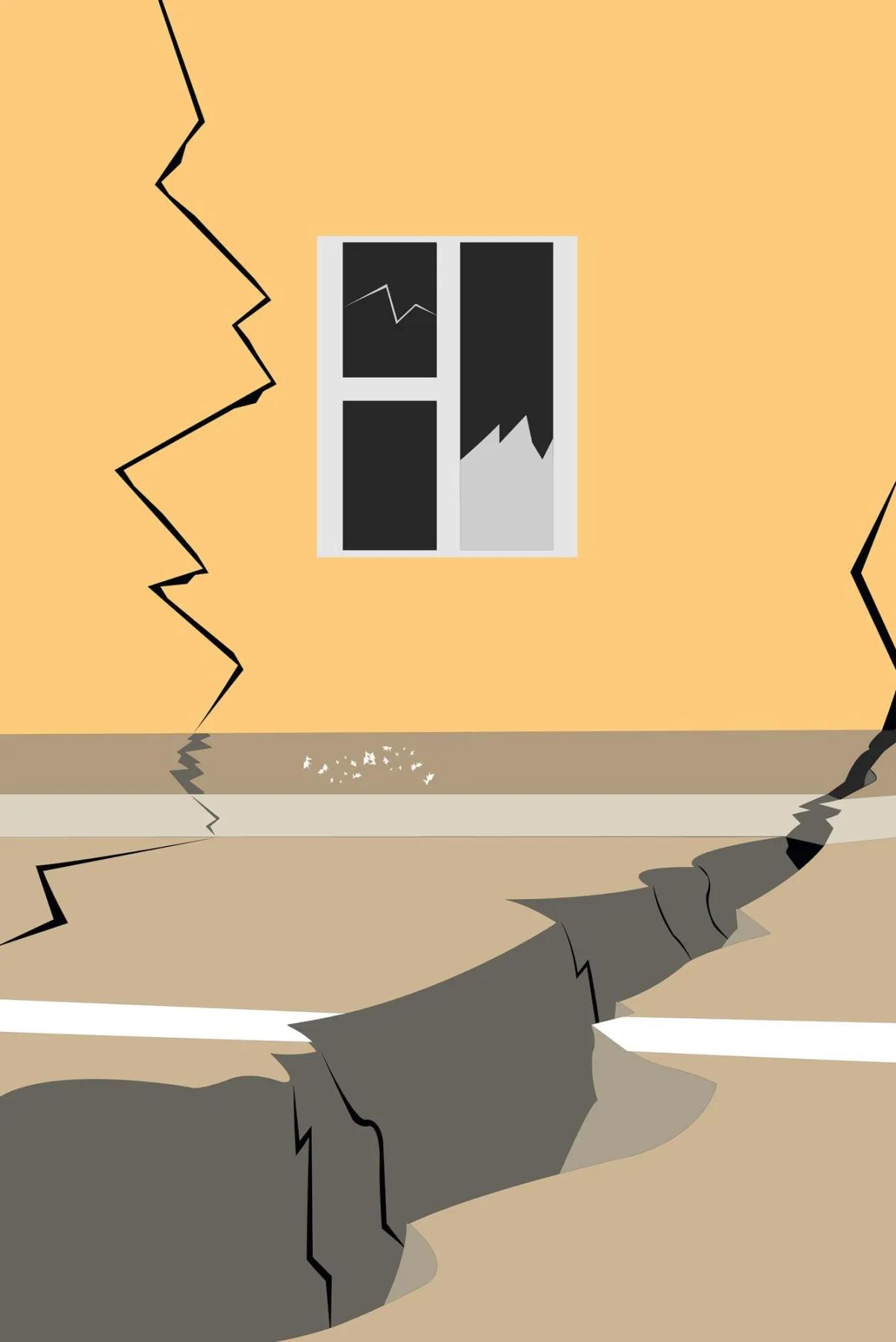
What Happens If My House Is Destroyed In An Earthquake Without Policy
If you are planning to buy a flood insurance policy, you should assess if your house land in a flood-prone area. Many communities can qualify for a policy through FEMA. However, if you live in an area where flood maps change frequently, you may not be able to find one without getting a quote. Vice versa, if you live in a high-risk area, you can purchase a separate policy from a private company.
A typical flood insurance policy will pay for the replacement costs of your home after a flooding event. It does not cover losses that happen before the flood. Moreover, you cannot increase the amount of coverage once the flood starts. In some areas, flood insurance is necessary, but there are also some exceptions. Generally, a flood insurance policy costs about $260 annually for a $100,000-per-inclusion limit. While this is a good start, you must ask if you need a policy.
Some areas are required to have an insurance policy by the federal government. In many cases, the insurance coverage is less than what you need, but the amount is still significant. And a flood insurance policy will provide you with peace of mind.

Washington State, Earthquake & Flood Insurance Trusted Provider
Do you have any questions/concerns?
We work with multiple carriers for your convenience.
News & Blogs
Cracked Molar When Chewing? Get Emergency Dental Care in Sacramento
Cracked Molar When Chewing A Cracked Molar Can Make Eating Difficult Without Warning
You may be eating a normal meal when you suddenly notice something unusual. A hard sensation, discomfort when biting, or a visible line across a back tooth can make chewing uncomfortable.
A cracked molar should not be ignored. Even a small fracture may extend deeper than what is visible in the mirror. Continuing to chew on the affected side could potentially worsen the damage.
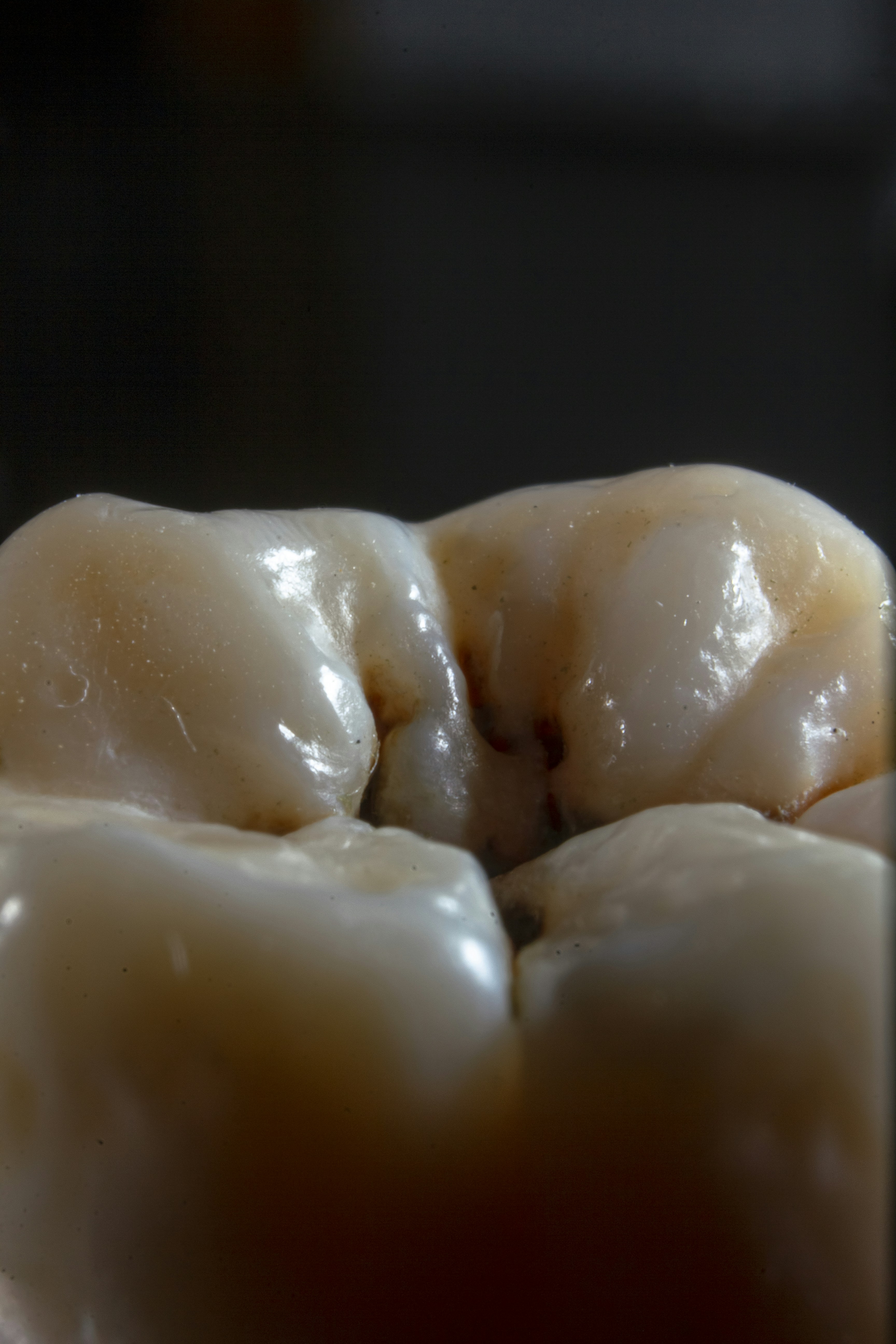
For Sacramento residents experiencing a suspected cracked tooth, arranging an emergency dental evaluation is an important next step.
Sacramento Emergency Dental offers a 24/7 hotline at (877) 462-0628 to help callers connect with available emergency dental providers.
What Could Cause a Molar to Crack?
Molars handle considerable chewing pressure. Over time, different factors can weaken their structure and make them more vulnerable to fractures.
Three possible contributing factors include:
Biting hard foods: Ice, hard candy, unpopped popcorn kernels, and other hard objects can place excessive pressure on a tooth.
Tooth grinding: Repeated clenching or grinding may gradually weaken enamel and contribute to cracks.
Existing structural damage: Large restorations, untreated decay, or previous dental procedures may leave portions of a tooth more vulnerable.
A cracked molar may produce different symptoms depending on the location and depth of the damage.
Some patients notice discomfort when releasing a bite, while others experience sensitivity to temperature or irritation around the affected tooth.
These symptoms can also be consistent with other dental conditions. Only a dental professional can determine the underlying cause.
Why Should You Avoid Chewing on the Affected Side?
A cracked tooth can remain functional for a period of time, but that does not mean it is safe to continue using it normally.
Chewing places pressure on the tooth's remaining structure. If the fracture extends deeper, repeated pressure may contribute to additional damage.
Until you receive professional care:
Choose soft foods that require minimal chewing.
Avoid hard, crunchy, sticky, or chewy foods.
Try not to bite directly on the affected tooth.
Keep the area clean through gentle oral hygiene.
Avoid attempting to glue or repair the tooth yourself.
If a piece breaks away, preserve it and bring it to the dental appointment if possible.
If swelling, fever, or difficulty swallowing develops, seek urgent medical or dental evaluation. Difficulty breathing or rapidly spreading swelling requires emergency medical attention.
Call (877) 462-0628 to request assistance locating an emergency dentist in Sacramento.
What Emergency Treatments Can Repair a Cracked Molar?
Treatment depends on how far the fracture extends and whether the inner tooth structures remain healthy.
A dentist may consider several options:
Dental bonding: Minor damage may be repaired using tooth-colored composite material to rebuild the affected area.
Dental crown placement: A crown may cover and protect a weakened molar, helping restore its shape and chewing function.
Root canal therapy: If the inner pulp is affected, root canal treatment may be considered to address the internal damage and preserve the remaining tooth structure.
Emergency extraction: If the fracture is too extensive for predictable restoration, removing the affected tooth may be necessary.
An emergency examination and dental imaging can help determine whether the tooth can be preserved.
Sacramento Emergency Dental lists broken tooth repair, emergency root canal treatment, and emergency extraction among its services.
These services make the website relevant to patients who need immediate attention for suspected molar fractures.
Where Can You Find a 24/7 Emergency Dentist in Sacramento?
Finding dental care outside regular office hours can be difficult, especially when eating has become uncomfortable.
Sacramento Emergency Dental provides a 24/7 hotline for people seeking emergency dental assistance.
The website lists coverage for Sacramento and nearby communities, including Elk Grove, Roseville, Folsom, Rancho Cordova, Citrus Heights, Davis, Carmichael, Fair Oaks, and West Sacramento.
When calling, explain:
Which tooth appears to be damaged.
Whether a visible piece has broken away.
Whether chewing causes discomfort.
Whether swelling or temperature sensitivity is present.
These details can help the team understand your situation and coordinate appropriate care.
Get Your Cracked Tooth Evaluated Before It Gets Worse
A cracked molar can affect more than your ability to enjoy meals. Delaying evaluation may allow a manageable fracture to become more complicated.
If you suspect a cracked tooth, contact Sacramento Emergency Dental at (877) 462-0628. The hotline is available 24 hours a day, seven days a week, to help connect you with emergency dental care.
Disclaimer: This article provides general information only and should not be construed as professional medical or dental advice, diagnosis, or treatment. Always consult with a licensed dentist or healthcare provider regarding any dental emergency or medical condition.

Affordable Insurance With Personal Service - Local Agents & Brokers

All Rights Reserved | Washington Earthquake & Flood Insurance
Privacy Policy | Disclaimer Terms & Conditions
Contact Us


