
Washington Earthquake Insurance Coverage
An earthquake is one of the most devastating events that can happen. Your homeowners/renter’s policy will not work in the event of an earthquake. To protect yourself and your property against this, an earthquake insurance policy is specially made for this kind of disaster.
Earthquake Insurance Benefits & Coverage
Dwelling Coverage
In California, only 10% of people purchase insurance against these risks. In Washington, the number has risen to 11.3%, and in New Madrid, it has dropped to 12.7%. Dwelling coverage helps cover the home up to its included amount.
Personal Property Coverage
The furniture. computer and TV are most likely included when buying a policy. However, you can get more coverage when you buy additional breakable coverage.
Additional Living Expenses
Is the term for the expenses you incur while relocating to another location. While some homeowner's policies cover earthquake damage, many don't. Earthquake insurance can help cover the costs of temporary living expenses, such as food and hotel stays.
Cost To Remove Debris
The most likely types of homes to be damaged by an earthquake are wood-frame homes, multi-story buildings, and brick homes. Earthquake insurance can cover the cost to remove the debris damage to your property due to the earthquake.
Why Buy An Earthquake Insurance
Important questions most of our clients asked are: “Do I need an earthquake insurance policy?” To answer this is yes! Even though your house is located where earthquakes are rare, you should acquire at least the standard policy. According to a study, all 50 states in the USA are likely to experience these ground-shaking events. Most people think that the policy is expensive, however, buying coverage can cost $800 per year, this will work with $500,000 worth of coverage.
It's crucial to have this coverage because of the high possibility of earthquakes damaging your home. Most policies allow you to set a deductible of 5%, 10%, 15%, or 25% of your dwelling coverage limit. That way, you'd pay a deductible of $45,000 if your home were destroyed by an earthquake, and your insurer would pay the rest.
Earthquake insurance covers damage caused by earthquakes, volcanoes, and other seismic events. It also specifies a period for a single event. The payout will pay for repairs and replacements to your home, other structures, and personal belongings. It also covers earthquake-related land stabilization and loss-of-use coverage. This policy is beneficial for earthquake-prone areas and those with a lot of buildings made of brick, stone, or clay.
While earthquake insurance is useful for reducing losses from earthquakes, it can be very costly, especially if your home is located in a low-risk area. In such areas, some policies will not cover the full cost of repair or rebuilding, make sure to check the state and local laws before deciding to buy a policy. This can save you thousands of dollars in the long run.
What's Cover & Not?
Protect Your Investment Against Earthquake
The standard homeowner policies don't cover earthquakes. But you can add earthquake insurance as an endorsement to your policy. The coverage includes the pay—for repairs to your dwelling and any other structures attached to it. If an earthquake causes damage to your personal property, it will cover the cost to remove debris. Additionally, it may even pay for extra living expenses.
The type of insurance you purchase depends on the state where you live. For example, Californian homeowners insurance is required by law to include earthquake coverage because of the high risk of seismic earthquakes. Some states do not require to have them, however, they can help you protect against quakes. Also, earthquakes can be caused by modern disposal methods. So, earthquake insurance may be worth considering even if you live in a state with a low risk of seismic activity.
Part 1: Dwelling Coverage: Sometimes referred to as Coverage A which covers home up to included amount, but not excluded with the following:
Your homeowners’ policy limit will be the same as your earthquake insurance.
The deductibles may range between 5%, 10%, 15,%, 20%, and 25%.
Most earthquake policies excluded landscaping, pools, fences, masonry, or separate buildings.
Renting or owning a condo, does not need to buy a policy.
Part 2: Personal Property Coverage. Also known as Coverage C which covers the things inside your home, like furniture, TVs, and computers.
A $5,000 standard limit which you can increase up to $200,000.
The deductibles may range between 5%, 10%, 15,%, 20%, and 25%.
More coverage can protect you if you purchase additional breakable coverage.
Part 3: Additional Living Expenses/Loss of Use. A Coverage D provides temporary and extra costs to live somewhere else like hotels, while your house is inhabitable or being repaired.
Typically covers temporary rentals of homes, apartments, and hotel rooms, as well as restaurant meals, temporary telephone lines, furniture rental, and laundry.
The deductibles may range between 5%, 10%, 15,%, 20%, and 25%.
More coverage can protect you if you purchase additional breakable coverage.
The limit can range from $1,500 up to $100,000.
Emergency repairs coverage pays for the cost of replacing damaged items. It typically covers 5% of your dwelling and/or personal property limit. The premium will be determined depending on your deductible. Earthquake insurance deductibles will vary, but most are between ten to fifteen percent of the total rebuild value of your home. For homeowners who are concerned about their deductible, they can purchase earthquake insurance that will cover these costs.
Whether you need it or not, it is best to understand how a single event can wiped-out all of our dreams. Prevention is always better than cure, protect yourself and your assets by buying an earthquake insurance policy, which can be beneficial shortly. Or especially if you are in a high-risk quake area.
Flood Insurance Experts
Flood Insurance Experts
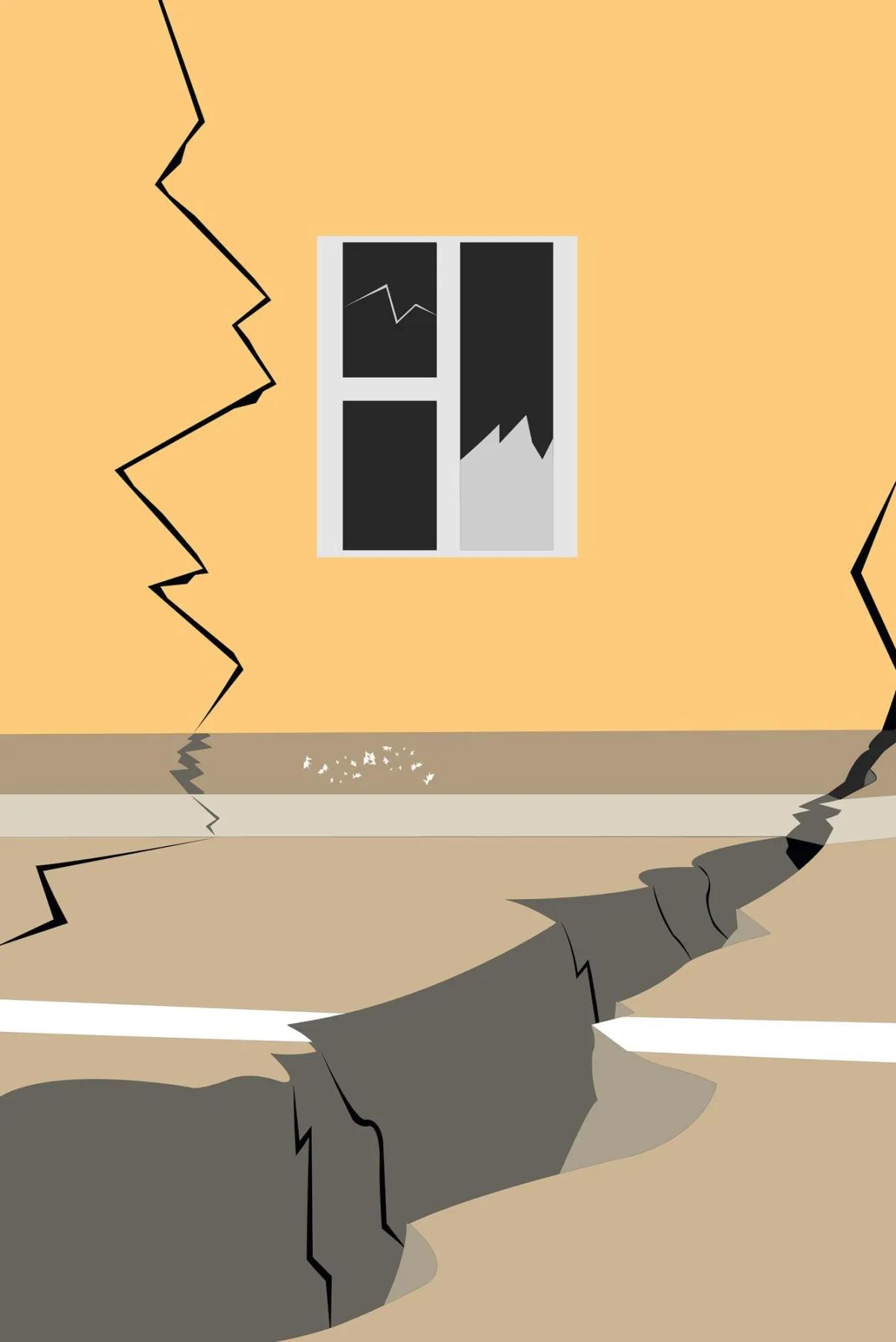
What Happens If My House Is Destroyed In An Earthquake Without Policy
If you are planning to buy a flood insurance policy, you should assess if your house land in a flood-prone area. Many communities can qualify for a policy through FEMA. However, if you live in an area where flood maps change frequently, you may not be able to find one without getting a quote. Vice versa, if you live in a high-risk area, you can purchase a separate policy from a private company.
A typical flood insurance policy will pay for the replacement costs of your home after a flooding event. It does not cover losses that happen before the flood. Moreover, you cannot increase the amount of coverage once the flood starts. In some areas, flood insurance is necessary, but there are also some exceptions. Generally, a flood insurance policy costs about $260 annually for a $100,000-per-inclusion limit. While this is a good start, you must ask if you need a policy.
Some areas are required to have an insurance policy by the federal government. In many cases, the insurance coverage is less than what you need, but the amount is still significant. And a flood insurance policy will provide you with peace of mind.

Washington State, Earthquake & Flood Insurance Trusted Provider
Do you have any questions/concerns?
We work with multiple carriers for your convenience.
News & Blogs
Child Dental Emergency in Spokane? Find Urgent Dental Care
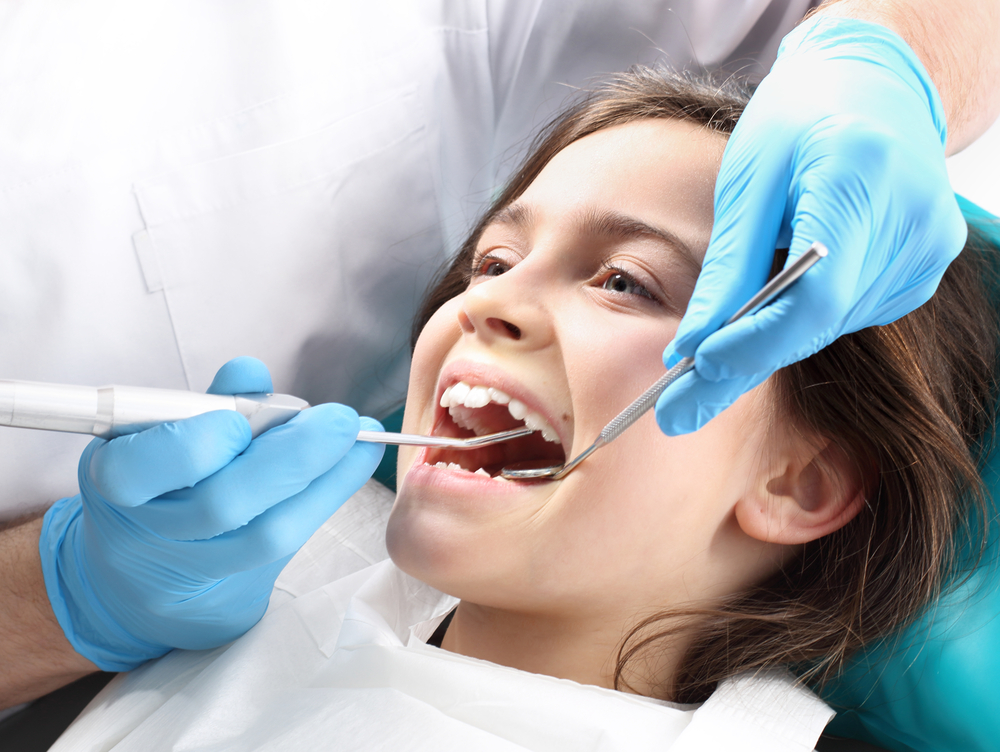
When a child injures a tooth, parents and caregivers need to make quick decisions. A tooth may become loose after a fall, a piece of enamel may break, or the gums may swell around an injured area. Even when a child seems comfortable, some dental injuries require prompt professional evaluation.
The first step is to assess whether the child has other injuries and then contact an appropriate dental professional. A baby tooth and a permanent tooth may require different approaches, so avoid trying to reposition or remove an injured tooth yourself.
Emergency Dental Spokane helps families locate licensed dental providers through its appointment-coordination service. If your child needs urgent dental attention in Spokane, Spokane Valley, Liberty Lake, or a nearby community, call (509) 408-3865 for assistance.
Which Dental Problems in Children Need Urgent Attention?
Children can experience dental injuries at different stages of development. Some affect only the outer surface of a tooth, while others involve the tooth's supporting tissues or the surrounding jaw.
Contact a dental professional promptly if your child has:
A permanent tooth that has been knocked out or displaced.
A baby tooth that has become unusually loose after an injury.
A chipped, cracked, or broken tooth.
Bleeding around a tooth that does not settle with appropriate first aid.
Swelling around the gums following an injury.
A tooth that appears to have moved into the gum or changed position.
Difficulty biting normally after an impact to the mouth.
A child may not be able to describe the extent of an injury clearly. Watch for refusal to eat, unusual irritability, sensitivity around the mouth, or reluctance to let you examine the area.
If the child has a serious head injury, loss of consciousness, uncontrolled bleeding, or difficulty breathing, seek emergency medical assistance. Call 911 when appropriate.
Do not reinsert a knocked-out baby tooth. If a permanent tooth has been knocked out, contact a dental professional immediately for specific instructions because time-sensitive care may improve the chance of saving it.
What Could Cause a Dental Injury in a Child?
Several types of incidents and dental conditions can produce similar signs. The exact nature of an injury cannot be determined by appearance alone.
1. Falls and accidental impacts
A fall while walking, running, or playing may cause a tooth to chip, loosen, or shift position. The surrounding gums and supporting structures may also be affected.
2. Biting hard objects or foods
Biting a hard object or food can damage weakened enamel or cause a fracture. The size of the visible chip does not always reveal how deeply the tooth has been affected.
3. Tooth decay or weakened tooth structure
A tooth weakened by decay may be more susceptible to breaking during ordinary chewing. A child may have an underlying cavity even when the visible damage seems relatively minor.
4. Infection around a tooth
Swelling around a child's tooth may be associated with an infection, gum inflammation, or another condition. Fever, facial swelling, or worsening symptoms should not be dismissed as a routine teething issue without appropriate assessment.
A dental professional can examine the affected tooth and surrounding tissues and determine whether imaging or additional evaluation is needed.
What Should Parents Do Before the Dental Appointment?
Your immediate priorities are to keep your child safe, protect the injured area, and arrange appropriate care.
Consider these general steps:
Stay calm and reassure your child. A calm response can help you gather information and make it easier for the child to cooperate.
Check for other injuries. If you suspect a head, jaw, or facial injury, seek appropriate medical assessment.
Control minor bleeding carefully. If appropriate, apply gentle pressure with clean gauze to the bleeding soft tissue. Do not force pressure onto a displaced or severely injured tooth.
Protect a damaged tooth. Avoid chewing on the affected side and choose soft foods until the child receives professional guidance.
Save any broken tooth fragment. Place it in a clean container and bring it to the dental appointment.
Contact a dental professional promptly. Explain the child's age, whether the tooth is a baby tooth or permanent tooth if known, and how the injury occurred.
If a permanent tooth has been knocked out, handle it by the crown rather than the root. Keep it moist and ask the dental professional for immediate instructions. Do not attempt to reinsert a baby tooth.
Avoid applying household adhesives, using sharp objects, or attempting to move a displaced tooth back into position.
What Treatments Might a Dentist Recommend for a Child's Injured Tooth?
Treatment depends on the child's age, the type of tooth involved, the extent of the injury, and whether the surrounding tissues have been damaged.
Possible approaches include:
1. Examination and monitoring: A dentist may assess the tooth, check its stability, and recommend follow-up visits to monitor healing. Some injuries require observation rather than immediate restorative treatment.
2. Repair of a chipped or broken tooth: Depending on the damage, a dentist may smooth a rough edge, apply bonding material, or recommend another restoration to protect the tooth.
3. Stabilization of an injured permanent tooth: When appropriate, a dentist may reposition a displaced tooth and use a splint to stabilize it while the supporting tissues heal.
4. Treatment of the inner tooth tissues: If an injury affects the pulp, the dentist may recommend specialized treatment depending on the tooth's development and the extent of the damage.
5. Extraction when necessary: If a tooth cannot be preserved safely, removal may be considered. The dentist will weigh the child's age, the tooth's role in development, and the condition of the surrounding structures.
These are possible options, not guaranteed treatments. A dentist must assess the individual injury before deciding on the appropriate plan.
Where Can Families Find Emergency Dental Care in Spokane?
When a child has a dental injury, families may need help locating a provider who can assess the situation promptly.
Emergency Dental Spokane offers phone-based appointment coordination to help callers locate licensed dental providers according to availability.
The website lists coverage in:
Spokane
Spokane Valley
Liberty Lake
Airway Heights
Cheney
Medical Lake
Mead and Colbert
Deer Park
When calling, explain the child's age, which tooth is affected, when the injury occurred, and whether there is bleeding, swelling, or a change in tooth position. Mention any medical concerns that could affect the urgency of care.
Call (509) 408-3865 for assistance finding an appropriate dental provider. The service can help identify appointment options, but the individual clinic determines its availability and treatment capabilities.
Get Prompt Help for Your Child's Dental Emergency
A child's dental injury can affect a baby tooth, a developing permanent tooth, or the surrounding tissues. The appropriate response depends on the injury, and delaying assessment may limit available treatment options.
If your child has a broken, displaced, or otherwise injured tooth, contact a qualified dental professional for guidance. If there are signs of a serious medical emergency, seek emergency medical care immediately.
For families in Spokane, Spokane Valley, Liberty Lake, Cheney, and nearby communities, Emergency Dental Spokane can help locate available dental providers.
Call (509) 408-3865 for assistance finding urgent dental care for your child.
Disclaimer: This article provides general information only and should not be construed as professional medical or dental advice, diagnosis, or treatment. Always consult with a licensed dentist or healthcare provider regarding any dental emergency or medical condition.

Affordable Insurance With Personal Service - Local Agents & Brokers

All Rights Reserved | Washington Earthquake & Flood Insurance
Privacy Policy | Disclaimer Terms & Conditions
Contact Us


