
Contact Us
Why contact us? Washington State Earthquake & Flood Insurance, has been providing policies in its nearby cities and all around the area. We work with multiple insurance carriers to ensure you are getting the right and the best policy possible!
Phone
Our office hours between 9AM to 5PM.
Call us for a quick service.
For general inquiries & questions,
contact us via email
Address
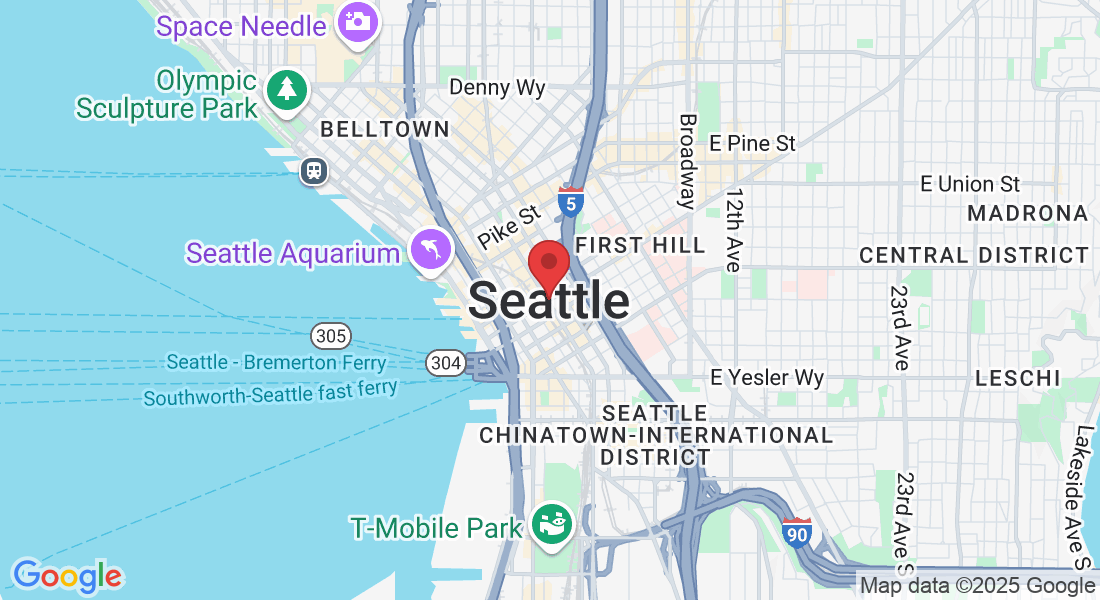
7515 Lake City Way NE, Suite 100
Seattle, WA 98115
News & Blogs
Reverse Mortgage Refinancing in Boise: Explore Your Options
Taking out a reverse mortgage may have helped you access your home equity and improve your retirement finances. However, financial needs can change over time.
Perhaps your healthcare expenses have increased. Maybe you need additional money for home improvements, long-term care, or everyday household expenses. You might also be wondering whether your property's current value or changes in available loan programs could create an opportunity to reconsider your existing reverse mortgage.
If you already have a reverse mortgage but need additional financial flexibility, refinancing may be worth exploring.

For homeowners in Boise and the surrounding Treasure Valley, Reverse Mortgage Boise offers reverse mortgage refinancing guidance alongside HECM and proprietary reverse mortgage services.
Before making another borrowing decision, it is important to understand how refinancing works, what it may cost, and whether the potential benefits justify replacing your existing loan.
Why Existing Reverse Mortgage Borrowers May Consider Refinancing
A reverse mortgage is a long-term financial arrangement, but that does not mean your financial needs remain the same throughout retirement.
Several circumstances may lead homeowners to investigate refinancing.
1. Increased financial needs
Healthcare expenses, home improvements, and household costs may become more expensive over time. Your original reverse mortgage arrangement may no longer provide the financial flexibility you need.
2. Changes in property value
If your property value has increased, you may want to investigate whether the additional equity could affect your refinancing opportunities.
However, an increase in property value does not automatically guarantee additional loan proceeds.
3. Changes in available loan terms
Interest rates, lender requirements, and available loan programs may change. A homeowner may want to determine whether a different loan arrangement offers more favorable terms.
4. Changing retirement priorities
Your original reverse mortgage may have been designed to address one financial concern. Years later, your priorities may have shifted toward healthcare, family support, or home accessibility.
Refinancing may provide an opportunity to review whether your current arrangement still matches your goals.
How Does Reverse Mortgage Refinancing Work?
Reverse mortgage refinancing generally involves replacing an existing reverse mortgage with a new loan.
The new loan must provide sufficient proceeds to satisfy the existing reverse mortgage and any applicable transaction costs.
Depending on the new loan's terms and your eligibility, additional proceeds may be available after the existing balance and required expenses are addressed.
For example, a homeowner who initially obtained a HECM may want to investigate whether refinancing could provide access to additional equity.
However, the new loan must be evaluated carefully.
Important factors include:
The current outstanding reverse mortgage balance.
The property's current appraised value.
The homeowner's age and eligibility.
Applicable interest rates.
New origination and closing costs.
Mortgage insurance and other applicable charges.
The amount of additional net proceeds, if any.
A refinancing assessment should compare the new loan's total costs against the actual financial benefit.
Simply receiving a new loan or a larger projected amount does not necessarily mean refinancing is financially advantageous.
Three Reverse Mortgage Options Worth Comparing
Before refinancing, homeowners should investigate the available financing alternatives.
1. Refinancing an existing HECM
An existing FHA-insured reverse mortgage may potentially be refinanced into another HECM if the borrower satisfies applicable requirements.
The new loan should be evaluated based on the net benefit after accounting for closing costs and other expenses.
2. Comparing a proprietary jumbo reverse mortgage
For certain homeowners with higher-value properties, a proprietary reverse mortgage may provide an alternative financing structure.
However, proprietary programs have different eligibility requirements, costs, and protections. They should not automatically be considered better than an existing HECM.
3. Keeping the existing reverse mortgage
Sometimes the most appropriate option is not to refinance.
If the current loan already meets your needs and a new loan would provide limited additional benefits, maintaining the existing arrangement may be worth considering.
The comparison should focus on what you actually gain after paying the costs of refinancing.
How to Determine Whether Refinancing Makes Financial Sense
Homeowners should avoid refinancing simply because they have received an offer or believe their property is worth more than when they originally borrowed.
Instead, examine the entire financial picture.
Start by reviewing your existing reverse mortgage statement. Determine the outstanding balance, applicable interest structure, servicing fees, and any other charges.
Next, request a new estimate that explains the potential loan proceeds and refinancing expenses.
Compare the two arrangements using questions such as:
How much additional money would actually become available?
What new closing expenses would apply?
Would the new loan have a different interest structure?
How would refinancing affect the equity remaining in the home?
Would the new loan provide a meaningful improvement to your retirement finances?
Could you continue meeting all ongoing property obligations?
For HECM refinancing, applicable FHA requirements must also be satisfied.
An independent HUD-approved housing counselor can help you understand the implications and alternatives.
Get Reverse Mortgage Refinancing Guidance in Boise
Trying to determine whether refinancing is worthwhile can be difficult without reviewing the actual loan figures.
Reverse Mortgage Boise provides customized estimates and guidance to help homeowners understand their available options.
Whether you live in Boise, Meridian, Eagle, Nampa, Caldwell, Kuna, Star, or Middleton, reviewing your current reverse mortgage alongside available refinancing programs can help you make a more informed decision.
The website offers guidance involving:
HECM reverse mortgages.
Proprietary jumbo reverse mortgages.
Reverse mortgage refinancing.
Customized loan estimates.
Application and underwriting assistance.
Closing and funding guidance.
A consultation can help you understand how your current loan compares with potential alternatives.
Review Your Existing Reverse Mortgage Before Your Financial Needs Change Further
Your retirement financial needs may look very different today than they did when you originally obtained your reverse mortgage.
If you need additional financial flexibility, refinancing may be worth investigating.
However, a new loan should provide a meaningful benefit after accounting for additional costs, interest, and the effect on your remaining home equity.
Contact Reverse Mortgage Boise through its website today to discuss reverse mortgage refinancing, request a customized estimate, and determine whether another financing arrangement may better support your retirement goals.
Disclaimer: This article provides general financial information only and should not be construed as professional financial, legal, tax, or mortgage advice. Reverse mortgage eligibility, costs, and benefits depend on individual circumstances. Refinancing may involve additional costs and may not be beneficial for every homeowner. Always consult with qualified financial, legal, tax, and mortgage professionals before making a financial decision.

Affordable Insurance With Personal Service - Local Agents & Brokers

All Rights Reserved | Washington Earthquake & Flood Insurance
Privacy Policy | Disclaimer Terms & Conditions
Contact Us


