
Seattle Washington
Condo Insurance
Condominium insurance or condo insurance is built to cover any part of the building that is in your name and responsibility—including the personal property.
Contact and get your free estimate, today!
What You Need To Know About Condominium Insurance
Considering how expensive a square foot of condo property can be, you should consider getting condo insurance. When shopping for condo insurance, keep in mind that your lender may require a specific amount of coverage, so make sure to check before signing a policy.
Content Insurance
Your policy pays to replace your belongings and furniture after certain disasters. Fires and plumbing and HVAC problems are typically covered, although earthquakes are not.
Loss of Use Insurance
If your condo is damaged, it will help you pay for the costs of living in a temporary shelter until it can be fixed. The money you save will go towards repairing the damage.
Condo Liability Insurance
Condo insurance provides coverage for your medical expenses if someone gets hurt in your unit as well as legal expenses or lawsuits.
Advantage Of Buying Condo Insurance
Homeowners Associations or HOA may cover repairs or other expenses, if your unit gets damaged, however, it does not protect everything, you might need the correct type of coverage. While it is important to remember that personal property insurance has limitations and exclusions, it can pay for the costs of replacing lost or damaged items.
A standard policy will cover damage from fire, lightning, storms, theft, explosions, and other calamities. However, it won't cover earthquakes or floods. This is especially important if you live near bodies of water or in a high-risk area. The amount of coverage needed will depend on your financial situation and stage in life. Taking the time to understand your needs before buying a policy will help you get the right coverage.
Re-comparing condo insurance will help you lower your premiums. Additionally, installing smoke detectors can also end up in lower premiums. There are a lot of components where you can get lower premiums so make sure to ask your agent about it.

Flood Insurance Experts
Flood Insurance Experts
Lists Of Condo Insurance Covers
Having condo insurance means knowing the protection you’ll get. This insurance protects individual units and the bare structure of the building. It also covers fixtures, installations, and additions. In addition to covering the bare structure, and lastly the contents of a unit. It is your responsibility to purchase separate insurance policies for personal belongings, as well as for your condo's interior.
Personal Property Coverage
A condo policy provides coverage for your furniture and personal belongings in the event of fire, lightning, and hail.
Theft Protection
Theft, fire, or other covered peril will also cover these expenses. Getting coverage is a great way to protect your belonging against theft loss in your unit and also applies anywhere in the world, as well as pay for theft from your unattended car.
Special Limits Liability
Additional coverage for special or certain possessions such as money or coins and jewelry and furs.
Personal Liability Protection
It can also cover legal expenses in the event of a lawsuit or medical bills of guests if a guest is injured on your property.
Medical Payments
Moreover, some condo policies even cover your guest's medical bills if you are found responsible for a crime. For this higher coverage amounts are available if you want to increase them.
Damage To Property Of Others
Damage to someone else’s property can also and proven it is your fault and might cover under condo insurance.
Additional Living Expenses
Like many home policies, condo insurance also covers your additional living expenses when you have to move out while your unit is being repaired. Some coverage may also apply such as—loss of coverage use, meals, laundry, etc.
Theft Protection
This insurance protects individual units and the bare structure of the building. It also covers fixtures, installations, and additions. In addition to covering the bare structure, and lastly the contents of a unit.
Structures
Condo insurance may also cover common areas and buildings in addition to individual units.
Condo Insurance In Washington State
Having a Condo Insurance Policy In Washington State is vital to protect your investment. Recently, the state reformed its condominium construction laws, and now is a great time to get coverage for your investment. To get the right policy, work with an independent insurance agent. These agents work with multiple insurers to find you the best policy possible. This insurance is also known as H-06 insurance.
The policy has a few standard components, including a construction property, a liability, and a loss-of-use policy. The first two policies protect the building's structure and fixtures, while the last two protect the contents of the unit itself. In Washington State, condo insurance is not required by law, but lenders often require condo owners to have their own policy to protect their investment. Moreover, condo owners who have mortgages will have to pay into the homeowners association master insurance policy, which will cover the costs of replacing the unit.
While purchasing a condo insurance policy in Washington, it is important to compare different providers. You should look for companies that offer good service and don't rush into a decision. In addition, you should look for bundle discounts and long-term customer discounts. And always make sure to get the policy from a licensed provider, preferably with a personal insurance license. Once you have compared the prices of various companies, you will have a clear picture of which one suits your needs best.


Washington State, Earthquake & Flood Insurance Trusted Provider
Do you have any questions/concerns?
We work with multiple carriers for your convenience.
Comprehensive Flood & Earthquake Protection for Your Family's Peace of Mind
Washington & Seattle's Top Earthquake & Flood Insurance Specialists

News & Blogs
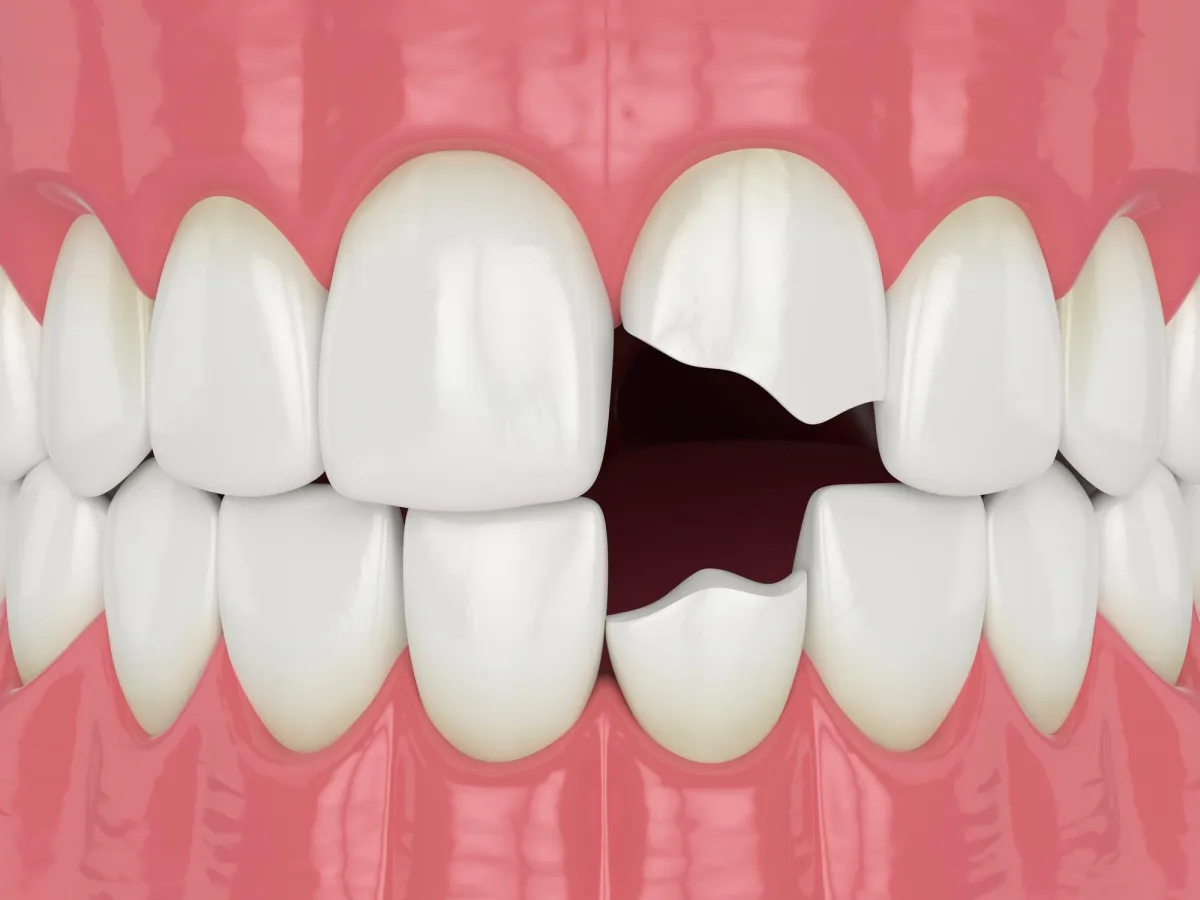
Broken or Cracked Tooth in Sacramento? Get Emergency Dental Help
Discovering a broken or cracked tooth can be alarming, especially when you are unsure how much damage has occurred. A small chip may seem manageable, but a deeper fracture could expose sensitive inner tooth structures or affect the tooth's stability.
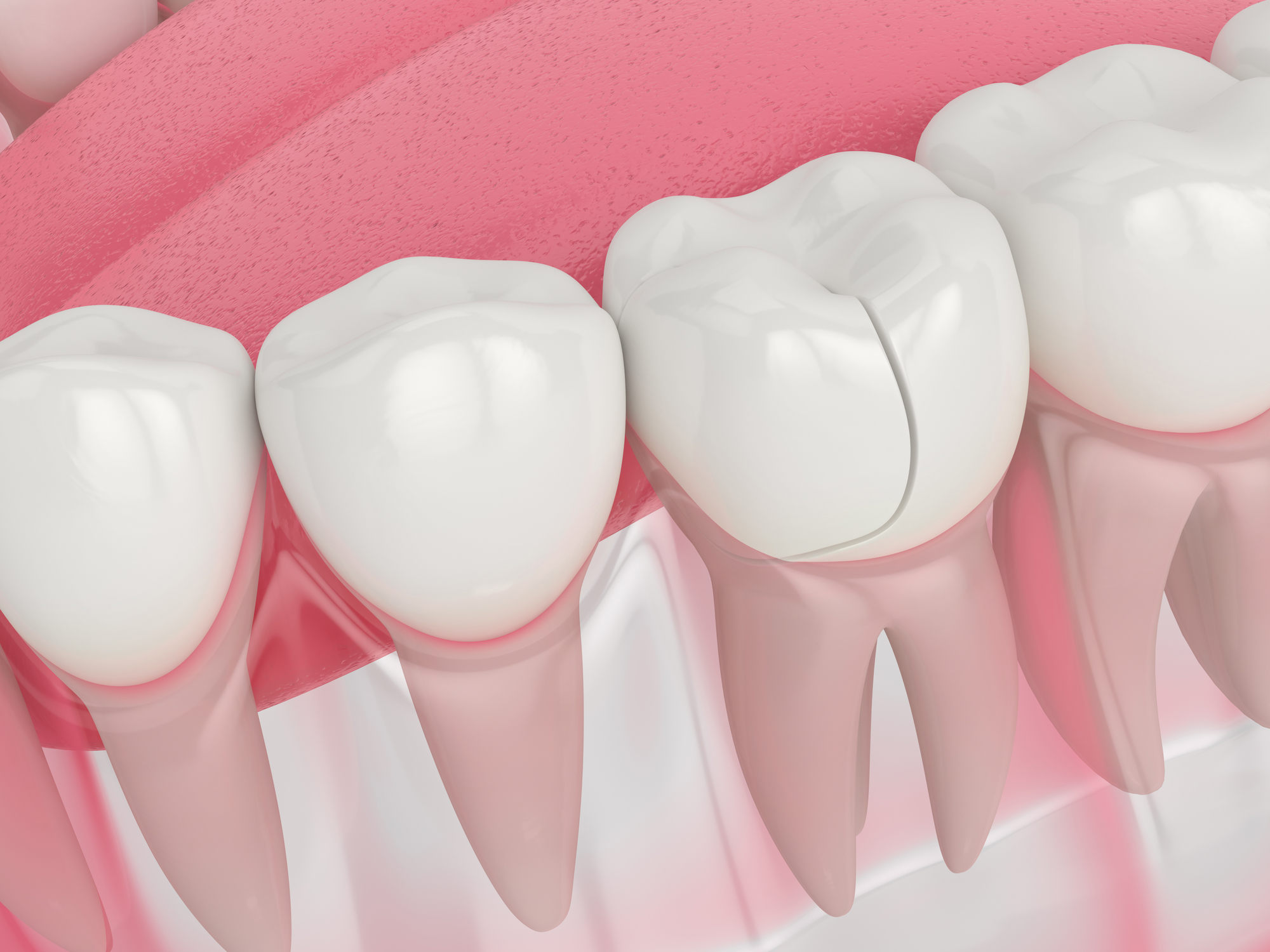
Whether the damage happens while eating, playing sports, or during an unexpected accident, getting the tooth assessed promptly can help reduce the risk of further damage.
If you need an emergency dentist in Sacramento, Sacramento Emergency Dental advertises a 24/7 hotline to help connect callers with available dental providers. You can call (877) 462-0628 for assistance finding care in Sacramento, Elk Grove, Roseville, Rancho Cordova, and other listed service areas.
Do not assume a broken tooth is beyond repair. A dental professional can evaluate the damage and explain which treatment options may be appropriate.
How Do You Know If a Broken Tooth Needs Emergency Dental Care?
Not every chipped tooth requires the same level of urgency. The size and location of the fracture, the amount of remaining tooth structure, and any accompanying symptoms all influence the next steps.
Signs that warrant prompt dental evaluation include:
A visible crack running across the tooth.
A missing piece of enamel or a noticeable change in the tooth's shape.
Sensitivity to hot, cold, or pressure.
Discomfort when biting or chewing.
A sharp edge that irritates the tongue, cheek, or lips.
Bleeding or swelling around the injured tooth.
A fracture may extend below the visible surface, so a tooth that looks relatively intact can still have significant damage. Likewise, a painless crack should not automatically be considered harmless.
If the injury involves major facial trauma, uncontrolled bleeding, difficulty breathing, or suspected jaw fracture, seek emergency medical assistance. Call 911 for a life-threatening emergency.
For a broken or cracked tooth without those medical warning signs, contact an emergency dentist promptly to arrange an examination.
What Can Cause a Tooth to Crack or Break?
Several conditions can weaken a tooth or cause it to fracture. Identifying the possible cause can help the dentist evaluate the injury, but symptoms and appearance alone cannot confirm the diagnosis.
Common possibilities include:
Biting hard foods or objects: Biting ice, hard candy, or other rigid objects can place excessive force on a tooth and contribute to a chip or fracture.
Dental decay or weakened tooth structure: Extensive decay may undermine the tooth's structural integrity, making it more vulnerable to breaking under normal chewing pressure.
Accidental impact or facial injury: A fall, sports collision, or direct blow to the mouth can fracture a tooth or damage its supporting tissues.
Wear from teeth grinding: Repeated pressure from clenching or grinding may contribute to cracks over time, particularly in teeth that already have weakened areas or large restorations.
Existing dental work and previous injuries may also influence how a tooth responds to pressure.
A dentist may examine the tooth, assess your bite, and recommend dental imaging or other tests when indicated. This helps determine whether the damage is limited to the outer enamel or involves deeper structures.
What Should You Do Before Seeing an Emergency Dentist?
Taking sensible precautions can help protect the tooth until it is professionally assessed. These measures are temporary and should not replace dental treatment.
Protect the injured tooth:
Avoid chewing on the affected side.
Choose soft foods and avoid hard, crunchy, sticky, or very hot or cold items if they trigger discomfort.
Rinse gently with lukewarm water to help keep the mouth clean.
If the broken edge is sharp, dental wax may help cover it temporarily.
If there is swelling, a cold compress applied to the outside of the cheek may help reduce discomfort.
If a piece of the tooth has broken off, save it in a clean container and bring it to the appointment.
Do not file down the tooth, use household glue, or attempt to permanently repair it yourself. Avoid placing aspirin directly against the tooth or gum, as this can irritate the tissue.
If you need an over-the-counter pain reliever, follow the product label and consult a healthcare professional if you are unsure whether it is suitable for you.
Call a dental professional promptly rather than waiting for the tooth to become more uncomfortable. A timely examination can help clarify the extent of the damage and the treatment options available.
What Emergency Treatments Are Available for a Broken Tooth?
Treatment depends on the fracture's depth, the amount of healthy tooth remaining, whether the pulp is affected, and whether the tooth can be restored.
After examining the tooth, a dentist may recommend one of several treatments.
1. Dental bonding or a filling: For selected minor chips or fractures, tooth-colored composite material may restore the missing portion and improve the tooth's shape. A filling may also be appropriate when damage or decay affects a restorable area.
2. A dental crown: When a larger portion of the tooth is weakened or damaged, a crown may help cover and protect the remaining structure. The dentist will assess whether the tooth has enough healthy structure to support a restoration.
3. Root canal treatment: If the fracture or associated damage affects the pulp inside the tooth, root canal treatment may be considered when the tooth can still be restored.
4. Tooth extraction: If the tooth is fractured too deeply or has insufficient healthy structure to be predictably restored, extraction may be necessary. The dentist can discuss replacement options when appropriate.
These treatments are not interchangeable, and not every broken tooth requires a crown, root canal, or extraction. Your dentist will explain the findings, expected benefits, limitations, and alternatives before recommending a treatment plan.
Where Can You Find an Emergency Dentist in Sacramento?
Finding a provider quickly can be challenging when a tooth breaks outside regular office hours. Sacramento Emergency Dental advertises a 24/7 hotline that helps connect callers with emergency dental providers in the Sacramento area.
The website lists service coverage for:
Sacramento
Elk Grove
Roseville
Rancho Cordova
Folsom
Citrus Heights
Davis
Carmichael
Fair Oaks
West Sacramento
When calling, explain how the tooth broke, when the injury happened, whether a piece is missing, and whether you have swelling, bleeding, or sensitivity.
This information can help the service direct you toward an appropriate provider. Confirm the appointment time, location, and available treatment options directly, as availability can vary.
Call (877) 462-0628 for assistance finding emergency dental care. The hotline is advertised as available 24 hours a day, including weekends and holidays.
Arrange Prompt Care for a Broken or Cracked Tooth
A broken tooth can range from a minor chip to a fracture involving deeper structures. Even if the damage initially seems small, professional assessment can help prevent avoidable complications and determine whether the tooth can be repaired.
Until you are seen, protect the tooth, avoid chewing on the affected side, and do not attempt a permanent home repair.
If you are in Sacramento, Elk Grove, Roseville, or another listed service area, contact Sacramento Emergency Dental for help locating an available provider.
Call (877) 462-0628 now for assistance connecting with emergency dental care. Prompt attention can help you understand your options and protect your oral health.
Disclaimer: This article provides general information only and should not be construed as professional medical or dental advice, diagnosis, or treatment. Always consult with a licensed dentist or healthcare provider regarding any dental emergency or medical condition.

Affordable Insurance With Personal Service - Local Agents & Brokers

All Rights Reserved | Washington Earthquake & Flood Insurance
Privacy Policy | Disclaimer Terms & Conditions
Contact Us


