
Seattle Washington
Condo Insurance
Condominium insurance or condo insurance is built to cover any part of the building that is in your name and responsibility—including the personal property.
Contact and get your free estimate, today!
What You Need To Know About Condominium Insurance
Considering how expensive a square foot of condo property can be, you should consider getting condo insurance. When shopping for condo insurance, keep in mind that your lender may require a specific amount of coverage, so make sure to check before signing a policy.
Content Insurance
Your policy pays to replace your belongings and furniture after certain disasters. Fires and plumbing and HVAC problems are typically covered, although earthquakes are not.
Loss of Use Insurance
If your condo is damaged, it will help you pay for the costs of living in a temporary shelter until it can be fixed. The money you save will go towards repairing the damage.
Condo Liability Insurance
Condo insurance provides coverage for your medical expenses if someone gets hurt in your unit as well as legal expenses or lawsuits.
Advantage Of Buying Condo Insurance
Homeowners Associations or HOA may cover repairs or other expenses, if your unit gets damaged, however, it does not protect everything, you might need the correct type of coverage. While it is important to remember that personal property insurance has limitations and exclusions, it can pay for the costs of replacing lost or damaged items.
A standard policy will cover damage from fire, lightning, storms, theft, explosions, and other calamities. However, it won't cover earthquakes or floods. This is especially important if you live near bodies of water or in a high-risk area. The amount of coverage needed will depend on your financial situation and stage in life. Taking the time to understand your needs before buying a policy will help you get the right coverage.
Re-comparing condo insurance will help you lower your premiums. Additionally, installing smoke detectors can also end up in lower premiums. There are a lot of components where you can get lower premiums so make sure to ask your agent about it.

Flood Insurance Experts
Flood Insurance Experts
Lists Of Condo Insurance Covers
Having condo insurance means knowing the protection you’ll get. This insurance protects individual units and the bare structure of the building. It also covers fixtures, installations, and additions. In addition to covering the bare structure, and lastly the contents of a unit. It is your responsibility to purchase separate insurance policies for personal belongings, as well as for your condo's interior.
Personal Property Coverage
A condo policy provides coverage for your furniture and personal belongings in the event of fire, lightning, and hail.
Theft Protection
Theft, fire, or other covered peril will also cover these expenses. Getting coverage is a great way to protect your belonging against theft loss in your unit and also applies anywhere in the world, as well as pay for theft from your unattended car.
Special Limits Liability
Additional coverage for special or certain possessions such as money or coins and jewelry and furs.
Personal Liability Protection
It can also cover legal expenses in the event of a lawsuit or medical bills of guests if a guest is injured on your property.
Medical Payments
Moreover, some condo policies even cover your guest's medical bills if you are found responsible for a crime. For this higher coverage amounts are available if you want to increase them.
Damage To Property Of Others
Damage to someone else’s property can also and proven it is your fault and might cover under condo insurance.
Additional Living Expenses
Like many home policies, condo insurance also covers your additional living expenses when you have to move out while your unit is being repaired. Some coverage may also apply such as—loss of coverage use, meals, laundry, etc.
Theft Protection
This insurance protects individual units and the bare structure of the building. It also covers fixtures, installations, and additions. In addition to covering the bare structure, and lastly the contents of a unit.
Structures
Condo insurance may also cover common areas and buildings in addition to individual units.
Condo Insurance In Washington State
Having a Condo Insurance Policy In Washington State is vital to protect your investment. Recently, the state reformed its condominium construction laws, and now is a great time to get coverage for your investment. To get the right policy, work with an independent insurance agent. These agents work with multiple insurers to find you the best policy possible. This insurance is also known as H-06 insurance.
The policy has a few standard components, including a construction property, a liability, and a loss-of-use policy. The first two policies protect the building's structure and fixtures, while the last two protect the contents of the unit itself. In Washington State, condo insurance is not required by law, but lenders often require condo owners to have their own policy to protect their investment. Moreover, condo owners who have mortgages will have to pay into the homeowners association master insurance policy, which will cover the costs of replacing the unit.
While purchasing a condo insurance policy in Washington, it is important to compare different providers. You should look for companies that offer good service and don't rush into a decision. In addition, you should look for bundle discounts and long-term customer discounts. And always make sure to get the policy from a licensed provider, preferably with a personal insurance license. Once you have compared the prices of various companies, you will have a clear picture of which one suits your needs best.


Washington State, Earthquake & Flood Insurance Trusted Provider
Do you have any questions/concerns?
We work with multiple carriers for your convenience.
Comprehensive Flood & Earthquake Protection for Your Family's Peace of Mind
Washington & Seattle's Top Earthquake & Flood Insurance Specialists

News & Blogs
Dental Implant Crown Problems in Panama City? Find Emergency Dental Appointment Options
Dental Implant Crown Problems Require Professional Evaluation
Dental implants are designed to provide a stable foundation for replacement teeth. However, the visible crown attached to an implant can sometimes develop problems that require professional attention.
You may notice that the crown feels loose, moves slightly when chewing, or appears different from its original position. In other situations, the crown may develop a crack or become detached from its supporting component.
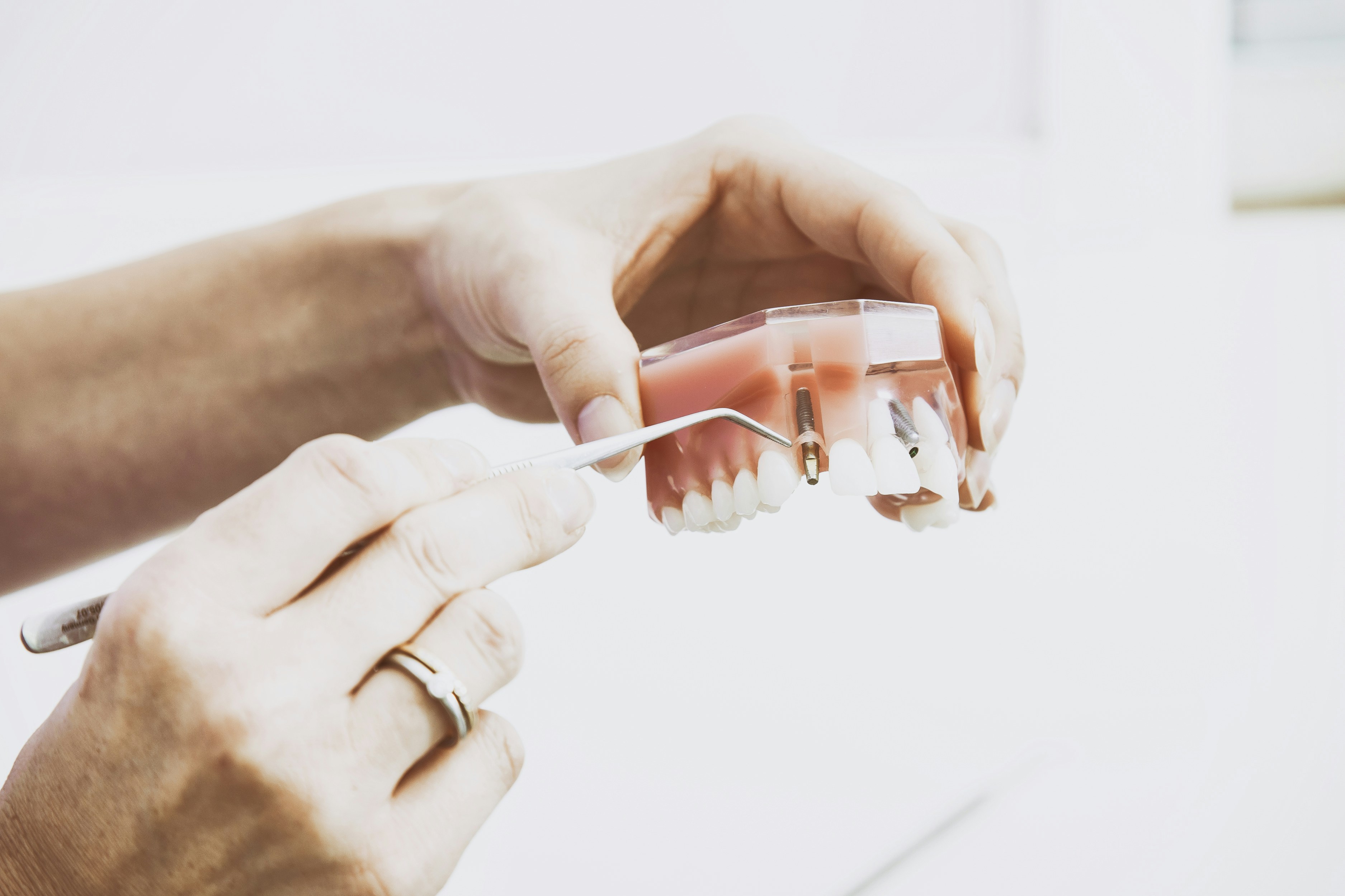
These problems should not automatically be treated as an implant failure. A loose crown, damaged connecting component, and problem involving the implant itself are different situations requiring different evaluations.
If you are experiencing implant crown problems in Panama City, Florida, finding an appropriate dental provider should be a priority.
Emergency Dentist at Panama City helps callers check third-party dental appointment options. Call (877) 462-0628 to request assistance.
Why Might an Implant Crown Become Loose or Damaged?
An implant restoration consists of several components, and a problem involving one part can affect how the entire restoration functions.
Possible explanations include:
A loose retaining screw: In some implant systems, the screw connecting the crown to the implant may loosen over time.
Crown damage: The artificial tooth may crack, chip, or fracture because of biting forces or accidental damage.
Bite-related pressure: Uneven chewing forces or teeth grinding may place excessive stress on the restoration.
Problems involving the implant connection: Changes or damage involving the connecting components may affect stability.
Peri-implant inflammation: Inflammation involving the gum and tissues surrounding an implant may require evaluation and treatment.
These possibilities cannot be distinguished reliably through appearance alone. A dentist may need to examine the crown, connection, surrounding tissues, and implant stability.
What Should You Do When Your Implant Crown Feels Loose?
Avoid attempting to tighten or reposition the restoration yourself.
Until a dental professional evaluates it, consider these precautions:
Avoid chewing hard foods with the affected implant.
Stop using the implant to bite into particularly firm foods.
Do not repeatedly move the crown with your tongue or fingers.
Avoid household adhesives or temporary permanent-fix products.
If the crown becomes detached, keep it in a clean container.
Maintain gentle oral hygiene around the area.
Contact a dental provider and describe the movement or damage.
If you notice swelling, drainage, bleeding, or changes in the surrounding gum tissue, mention those symptoms when requesting an appointment.
A crown that appears loose may be a component problem rather than a problem with the implant itself. Professional assessment is necessary before drawing conclusions.
What Treatments Might Be Considered for an Implant Crown Problem?
Treatment depends on which component is affected and whether the implant and surrounding tissues remain healthy.
A dentist may consider several possibilities:
1. Tightening or replacing a connecting screw
If the problem involves a loose retaining screw, a qualified provider may be able to assess and correct the connection.
2. Crown repair or replacement
A cracked or damaged implant crown may require repair or replacement, depending on the material, location, and extent of damage.
3. Restoration of the implant connection
If an abutment or other connecting component is damaged, the dentist may recommend replacing the affected component.
4. Treatment of peri-implant inflammation
If the surrounding gum tissue is inflamed, professional cleaning, periodontal treatment, or other implant-specific procedures may be considered.
5. Further implant treatment
If the implant itself has a significant complication, the provider may discuss more extensive management, including surgical evaluation or replacement options when appropriate.
The dentist must establish whether the issue involves the crown, connecting components, or implant before recommending treatment.
Find Dental Appointment Options in Panama City, Florida
Implant complications can be difficult to evaluate without the proper equipment and clinical experience. It is important to explain that you have an implant restoration rather than simply describing it as a loose tooth.
Emergency Dentist in Panama City, FL provides an independent connection service that helps callers check third-party dental appointment options.
Call (877) 462-0628 and share the following information:
Whether the implant crown is loose, cracked, or detached.
When you first noticed the problem.
Whether you have swelling or bleeding around the implant.
Whether the implant was placed recently or several years ago.
Your current ZIP code and preferred travel distance.
The service covers Panama City, Panama City Beach, Lynn Haven, Callaway, Springfield, Upper Grand Lagoon, Lower Grand Lagoon, Parker, Southport, Mexico Beach, Youngstown, Tyndall AFB, and Inlet Beach.
Ask whether the receiving dental office evaluates implant complications and whether it has experience with the specific type of restoration involved.
Confirm the appointment, examination fee, and office address directly with the provider before traveling.
Get Your Implant Crown Checked Before the Problem Progresses
A loose or damaged implant crown should not be ignored. Even if the implant itself remains stable, a damaged restoration may affect chewing and place additional stress on the connecting components.
Professional evaluation can help identify the problem and determine whether the crown, abutment, screw, or surrounding tissues need attention.
If you are in Panama City or nearby Bay County communities, call (877) 462-0628 during the connection service's operating hours to check third-party dental appointment options.
Disclaimer: This article provides general information only and should not be construed as professional medical or dental advice, diagnosis, or treatment. Always consult with a licensed dentist or healthcare provider regarding any dental emergency or medical condition.

Affordable Insurance With Personal Service - Local Agents & Brokers

All Rights Reserved | Washington Earthquake & Flood Insurance
Privacy Policy | Disclaimer Terms & Conditions
Contact Us


