
Seattle Washington
Condo Insurance
Condominium insurance or condo insurance is built to cover any part of the building that is in your name and responsibility—including the personal property.
Contact and get your free estimate, today!
What You Need To Know About Condominium Insurance
Considering how expensive a square foot of condo property can be, you should consider getting condo insurance. When shopping for condo insurance, keep in mind that your lender may require a specific amount of coverage, so make sure to check before signing a policy.
Content Insurance
Your policy pays to replace your belongings and furniture after certain disasters. Fires and plumbing and HVAC problems are typically covered, although earthquakes are not.
Loss of Use Insurance
If your condo is damaged, it will help you pay for the costs of living in a temporary shelter until it can be fixed. The money you save will go towards repairing the damage.
Condo Liability Insurance
Condo insurance provides coverage for your medical expenses if someone gets hurt in your unit as well as legal expenses or lawsuits.
Advantage Of Buying Condo Insurance
Homeowners Associations or HOA may cover repairs or other expenses, if your unit gets damaged, however, it does not protect everything, you might need the correct type of coverage. While it is important to remember that personal property insurance has limitations and exclusions, it can pay for the costs of replacing lost or damaged items.
A standard policy will cover damage from fire, lightning, storms, theft, explosions, and other calamities. However, it won't cover earthquakes or floods. This is especially important if you live near bodies of water or in a high-risk area. The amount of coverage needed will depend on your financial situation and stage in life. Taking the time to understand your needs before buying a policy will help you get the right coverage.
Re-comparing condo insurance will help you lower your premiums. Additionally, installing smoke detectors can also end up in lower premiums. There are a lot of components where you can get lower premiums so make sure to ask your agent about it.

Flood Insurance Experts
Flood Insurance Experts
Lists Of Condo Insurance Covers
Having condo insurance means knowing the protection you’ll get. This insurance protects individual units and the bare structure of the building. It also covers fixtures, installations, and additions. In addition to covering the bare structure, and lastly the contents of a unit. It is your responsibility to purchase separate insurance policies for personal belongings, as well as for your condo's interior.
Personal Property Coverage
A condo policy provides coverage for your furniture and personal belongings in the event of fire, lightning, and hail.
Theft Protection
Theft, fire, or other covered peril will also cover these expenses. Getting coverage is a great way to protect your belonging against theft loss in your unit and also applies anywhere in the world, as well as pay for theft from your unattended car.
Special Limits Liability
Additional coverage for special or certain possessions such as money or coins and jewelry and furs.
Personal Liability Protection
It can also cover legal expenses in the event of a lawsuit or medical bills of guests if a guest is injured on your property.
Medical Payments
Moreover, some condo policies even cover your guest's medical bills if you are found responsible for a crime. For this higher coverage amounts are available if you want to increase them.
Damage To Property Of Others
Damage to someone else’s property can also and proven it is your fault and might cover under condo insurance.
Additional Living Expenses
Like many home policies, condo insurance also covers your additional living expenses when you have to move out while your unit is being repaired. Some coverage may also apply such as—loss of coverage use, meals, laundry, etc.
Theft Protection
This insurance protects individual units and the bare structure of the building. It also covers fixtures, installations, and additions. In addition to covering the bare structure, and lastly the contents of a unit.
Structures
Condo insurance may also cover common areas and buildings in addition to individual units.
Condo Insurance In Washington State
Having a Condo Insurance Policy In Washington State is vital to protect your investment. Recently, the state reformed its condominium construction laws, and now is a great time to get coverage for your investment. To get the right policy, work with an independent insurance agent. These agents work with multiple insurers to find you the best policy possible. This insurance is also known as H-06 insurance.
The policy has a few standard components, including a construction property, a liability, and a loss-of-use policy. The first two policies protect the building's structure and fixtures, while the last two protect the contents of the unit itself. In Washington State, condo insurance is not required by law, but lenders often require condo owners to have their own policy to protect their investment. Moreover, condo owners who have mortgages will have to pay into the homeowners association master insurance policy, which will cover the costs of replacing the unit.
While purchasing a condo insurance policy in Washington, it is important to compare different providers. You should look for companies that offer good service and don't rush into a decision. In addition, you should look for bundle discounts and long-term customer discounts. And always make sure to get the policy from a licensed provider, preferably with a personal insurance license. Once you have compared the prices of various companies, you will have a clear picture of which one suits your needs best.


Washington State, Earthquake & Flood Insurance Trusted Provider
Do you have any questions/concerns?
We work with multiple carriers for your convenience.
Comprehensive Flood & Earthquake Protection for Your Family's Peace of Mind
Washington & Seattle's Top Earthquake & Flood Insurance Specialists

News & Blogs
Reverse Mortgage Refinancing in Boise: Explore Your Options
Taking out a reverse mortgage may have helped you access your home equity and improve your retirement finances. However, financial needs can change over time.
Perhaps your healthcare expenses have increased. Maybe you need additional money for home improvements, long-term care, or everyday household expenses. You might also be wondering whether your property's current value or changes in available loan programs could create an opportunity to reconsider your existing reverse mortgage.
If you already have a reverse mortgage but need additional financial flexibility, refinancing may be worth exploring.
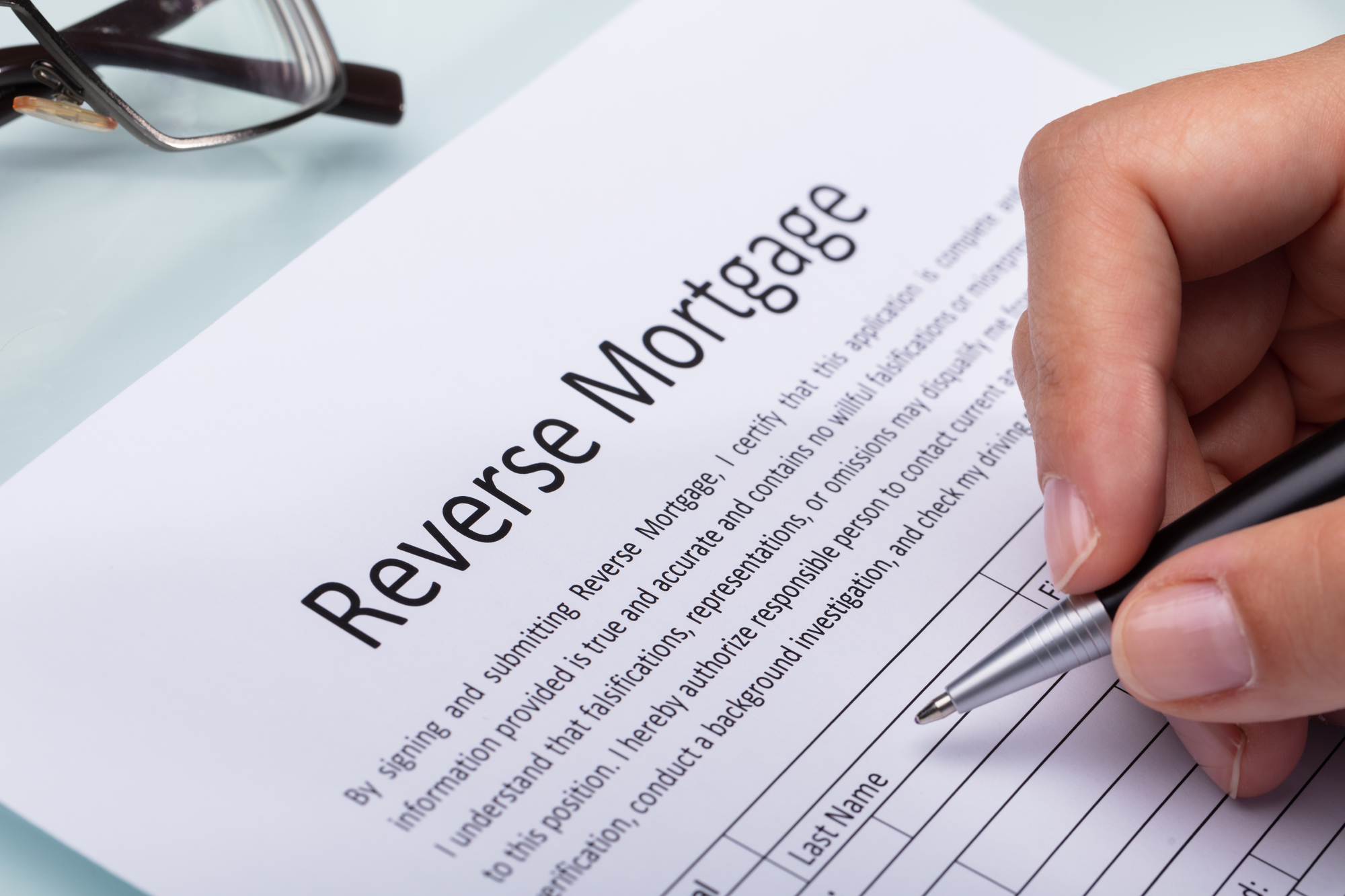
For homeowners in Boise and the surrounding Treasure Valley, Reverse Mortgage Boise offers reverse mortgage refinancing guidance alongside HECM and proprietary reverse mortgage services.
Before making another borrowing decision, it is important to understand how refinancing works, what it may cost, and whether the potential benefits justify replacing your existing loan.
Why Existing Reverse Mortgage Borrowers May Consider Refinancing
A reverse mortgage is a long-term financial arrangement, but that does not mean your financial needs remain the same throughout retirement.
Several circumstances may lead homeowners to investigate refinancing.
1. Increased financial needs
Healthcare expenses, home improvements, and household costs may become more expensive over time. Your original reverse mortgage arrangement may no longer provide the financial flexibility you need.
2. Changes in property value
If your property value has increased, you may want to investigate whether the additional equity could affect your refinancing opportunities.
However, an increase in property value does not automatically guarantee additional loan proceeds.
3. Changes in available loan terms
Interest rates, lender requirements, and available loan programs may change. A homeowner may want to determine whether a different loan arrangement offers more favorable terms.
4. Changing retirement priorities
Your original reverse mortgage may have been designed to address one financial concern. Years later, your priorities may have shifted toward healthcare, family support, or home accessibility.
Refinancing may provide an opportunity to review whether your current arrangement still matches your goals.
How Does Reverse Mortgage Refinancing Work?
Reverse mortgage refinancing generally involves replacing an existing reverse mortgage with a new loan.
The new loan must provide sufficient proceeds to satisfy the existing reverse mortgage and any applicable transaction costs.
Depending on the new loan's terms and your eligibility, additional proceeds may be available after the existing balance and required expenses are addressed.
For example, a homeowner who initially obtained a HECM may want to investigate whether refinancing could provide access to additional equity.
However, the new loan must be evaluated carefully.
Important factors include:
The current outstanding reverse mortgage balance.
The property's current appraised value.
The homeowner's age and eligibility.
Applicable interest rates.
New origination and closing costs.
Mortgage insurance and other applicable charges.
The amount of additional net proceeds, if any.
A refinancing assessment should compare the new loan's total costs against the actual financial benefit.
Simply receiving a new loan or a larger projected amount does not necessarily mean refinancing is financially advantageous.
Three Reverse Mortgage Options Worth Comparing
Before refinancing, homeowners should investigate the available financing alternatives.
1. Refinancing an existing HECM
An existing FHA-insured reverse mortgage may potentially be refinanced into another HECM if the borrower satisfies applicable requirements.
The new loan should be evaluated based on the net benefit after accounting for closing costs and other expenses.
2. Comparing a proprietary jumbo reverse mortgage
For certain homeowners with higher-value properties, a proprietary reverse mortgage may provide an alternative financing structure.
However, proprietary programs have different eligibility requirements, costs, and protections. They should not automatically be considered better than an existing HECM.
3. Keeping the existing reverse mortgage
Sometimes the most appropriate option is not to refinance.
If the current loan already meets your needs and a new loan would provide limited additional benefits, maintaining the existing arrangement may be worth considering.
The comparison should focus on what you actually gain after paying the costs of refinancing.
How to Determine Whether Refinancing Makes Financial Sense
Homeowners should avoid refinancing simply because they have received an offer or believe their property is worth more than when they originally borrowed.
Instead, examine the entire financial picture.
Start by reviewing your existing reverse mortgage statement. Determine the outstanding balance, applicable interest structure, servicing fees, and any other charges.
Next, request a new estimate that explains the potential loan proceeds and refinancing expenses.
Compare the two arrangements using questions such as:
How much additional money would actually become available?
What new closing expenses would apply?
Would the new loan have a different interest structure?
How would refinancing affect the equity remaining in the home?
Would the new loan provide a meaningful improvement to your retirement finances?
Could you continue meeting all ongoing property obligations?
For HECM refinancing, applicable FHA requirements must also be satisfied.
An independent HUD-approved housing counselor can help you understand the implications and alternatives.
Get Reverse Mortgage Refinancing Guidance in Boise
Trying to determine whether refinancing is worthwhile can be difficult without reviewing the actual loan figures.
Reverse Mortgage Boise provides customized estimates and guidance to help homeowners understand their available options.
Whether you live in Boise, Meridian, Eagle, Nampa, Caldwell, Kuna, Star, or Middleton, reviewing your current reverse mortgage alongside available refinancing programs can help you make a more informed decision.
The website offers guidance involving:
HECM reverse mortgages.
Proprietary jumbo reverse mortgages.
Reverse mortgage refinancing.
Customized loan estimates.
Application and underwriting assistance.
Closing and funding guidance.
A consultation can help you understand how your current loan compares with potential alternatives.
Review Your Existing Reverse Mortgage Before Your Financial Needs Change Further
Your retirement financial needs may look very different today than they did when you originally obtained your reverse mortgage.
If you need additional financial flexibility, refinancing may be worth investigating.
However, a new loan should provide a meaningful benefit after accounting for additional costs, interest, and the effect on your remaining home equity.
Contact Reverse Mortgage Boise through its website today to discuss reverse mortgage refinancing, request a customized estimate, and determine whether another financing arrangement may better support your retirement goals.
Disclaimer: This article provides general financial information only and should not be construed as professional financial, legal, tax, or mortgage advice. Reverse mortgage eligibility, costs, and benefits depend on individual circumstances. Refinancing may involve additional costs and may not be beneficial for every homeowner. Always consult with qualified financial, legal, tax, and mortgage professionals before making a financial decision.
Affordable Insurance With Personal Service - Local Agents & Brokers

All Rights Reserved | Washington Earthquake & Flood Insurance
Privacy Policy | Disclaimer Terms & Conditions
Contact Us


