
Seattle Washington
Condo Insurance
Condominium insurance or condo insurance is built to cover any part of the building that is in your name and responsibility—including the personal property.
Contact and get your free estimate, today!
What You Need To Know About Condominium Insurance
Considering how expensive a square foot of condo property can be, you should consider getting condo insurance. When shopping for condo insurance, keep in mind that your lender may require a specific amount of coverage, so make sure to check before signing a policy.
Content Insurance
Your policy pays to replace your belongings and furniture after certain disasters. Fires and plumbing and HVAC problems are typically covered, although earthquakes are not.
Loss of Use Insurance
If your condo is damaged, it will help you pay for the costs of living in a temporary shelter until it can be fixed. The money you save will go towards repairing the damage.
Condo Liability Insurance
Condo insurance provides coverage for your medical expenses if someone gets hurt in your unit as well as legal expenses or lawsuits.
Advantage Of Buying Condo Insurance
Homeowners Associations or HOA may cover repairs or other expenses, if your unit gets damaged, however, it does not protect everything, you might need the correct type of coverage. While it is important to remember that personal property insurance has limitations and exclusions, it can pay for the costs of replacing lost or damaged items.
A standard policy will cover damage from fire, lightning, storms, theft, explosions, and other calamities. However, it won't cover earthquakes or floods. This is especially important if you live near bodies of water or in a high-risk area. The amount of coverage needed will depend on your financial situation and stage in life. Taking the time to understand your needs before buying a policy will help you get the right coverage.
Re-comparing condo insurance will help you lower your premiums. Additionally, installing smoke detectors can also end up in lower premiums. There are a lot of components where you can get lower premiums so make sure to ask your agent about it.

Flood Insurance Experts
Flood Insurance Experts
Lists Of Condo Insurance Covers
Having condo insurance means knowing the protection you’ll get. This insurance protects individual units and the bare structure of the building. It also covers fixtures, installations, and additions. In addition to covering the bare structure, and lastly the contents of a unit. It is your responsibility to purchase separate insurance policies for personal belongings, as well as for your condo's interior.
Personal Property Coverage
A condo policy provides coverage for your furniture and personal belongings in the event of fire, lightning, and hail.
Theft Protection
Theft, fire, or other covered peril will also cover these expenses. Getting coverage is a great way to protect your belonging against theft loss in your unit and also applies anywhere in the world, as well as pay for theft from your unattended car.
Special Limits Liability
Additional coverage for special or certain possessions such as money or coins and jewelry and furs.
Personal Liability Protection
It can also cover legal expenses in the event of a lawsuit or medical bills of guests if a guest is injured on your property.
Medical Payments
Moreover, some condo policies even cover your guest's medical bills if you are found responsible for a crime. For this higher coverage amounts are available if you want to increase them.
Damage To Property Of Others
Damage to someone else’s property can also and proven it is your fault and might cover under condo insurance.
Additional Living Expenses
Like many home policies, condo insurance also covers your additional living expenses when you have to move out while your unit is being repaired. Some coverage may also apply such as—loss of coverage use, meals, laundry, etc.
Theft Protection
This insurance protects individual units and the bare structure of the building. It also covers fixtures, installations, and additions. In addition to covering the bare structure, and lastly the contents of a unit.
Structures
Condo insurance may also cover common areas and buildings in addition to individual units.
Condo Insurance In Washington State
Having a Condo Insurance Policy In Washington State is vital to protect your investment. Recently, the state reformed its condominium construction laws, and now is a great time to get coverage for your investment. To get the right policy, work with an independent insurance agent. These agents work with multiple insurers to find you the best policy possible. This insurance is also known as H-06 insurance.
The policy has a few standard components, including a construction property, a liability, and a loss-of-use policy. The first two policies protect the building's structure and fixtures, while the last two protect the contents of the unit itself. In Washington State, condo insurance is not required by law, but lenders often require condo owners to have their own policy to protect their investment. Moreover, condo owners who have mortgages will have to pay into the homeowners association master insurance policy, which will cover the costs of replacing the unit.
While purchasing a condo insurance policy in Washington, it is important to compare different providers. You should look for companies that offer good service and don't rush into a decision. In addition, you should look for bundle discounts and long-term customer discounts. And always make sure to get the policy from a licensed provider, preferably with a personal insurance license. Once you have compared the prices of various companies, you will have a clear picture of which one suits your needs best.


Washington State, Earthquake & Flood Insurance Trusted Provider
Do you have any questions/concerns?
We work with multiple carriers for your convenience.
Comprehensive Flood & Earthquake Protection for Your Family's Peace of Mind
Washington & Seattle's Top Earthquake & Flood Insurance Specialists

News & Blogs
Gutter Pulling Away From Your House? Get Emergency Repair in Baton Rouge
Gutter Pulling Away From Your House? Get Emergency Repair in Baton Rouge
A gutter that is sagging, hanging loose, or pulling away from the roofline is not a problem most homeowners want to ignore.
Whether the issue appeared after heavy weather or developed gradually, a loose gutter can change how rainwater moves around your home. For property owners in Baton Rouge and nearby communities such as Prairieville, Gonzales, Denham Springs, Central, Walker, and Zachary, getting the system inspected promptly can help prevent further damage.
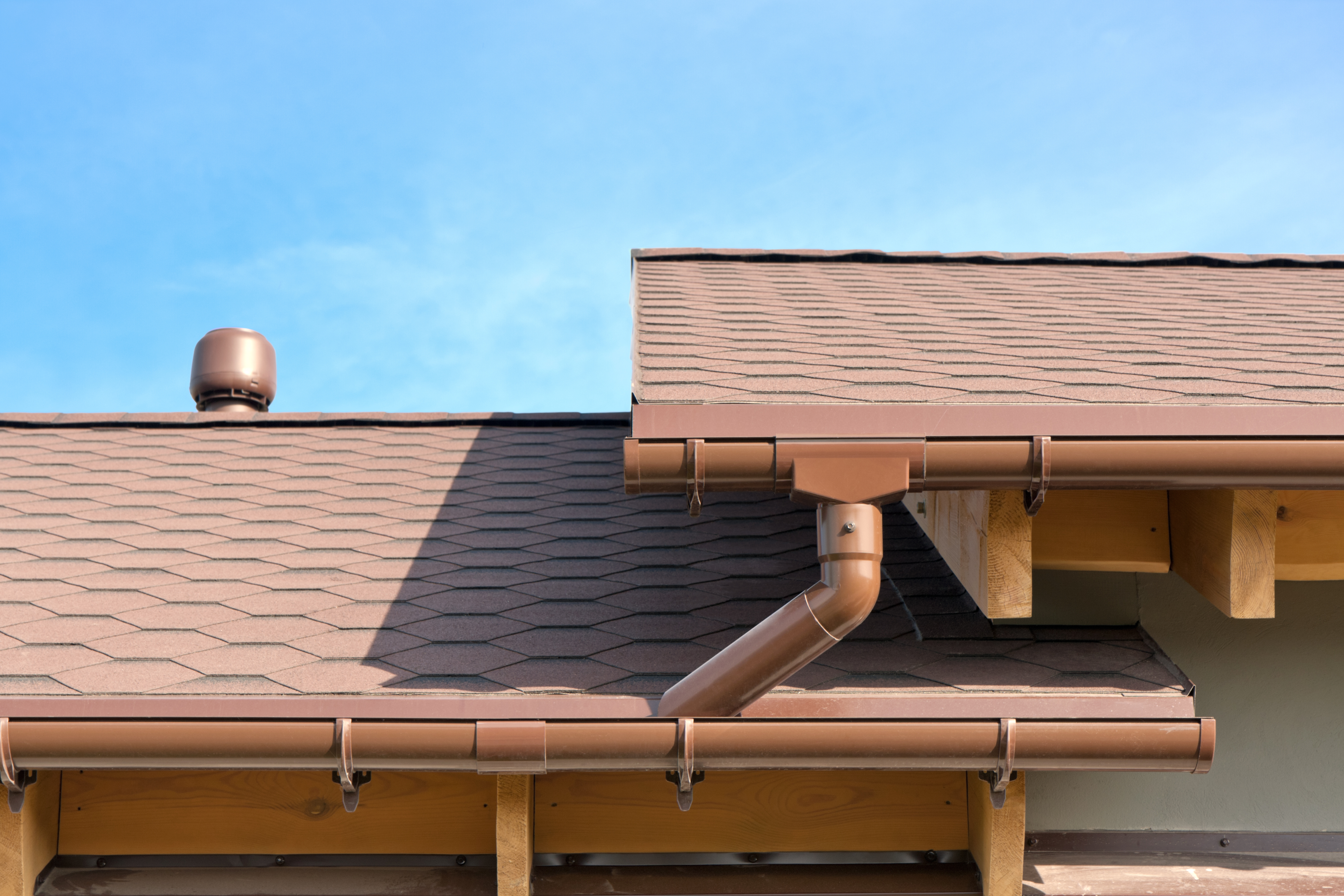
Why Is My Gutter Sagging or Pulling Away?
A detached gutter can have several possible causes. The problem may be connected to:
Loose, damaged, or failing hangers and fasteners
Heavy debris or standing water adding excess weight
Storm-related wind or impact damage
Weak or damaged material behind the gutter attachment points
Because several factors can produce similar symptoms, a professional inspection is often the best way to determine what needs attention.
Why a Loose Gutter Can Become an Urgent Problem
A gutter that is no longer securely attached may not direct water where it should go. During the next period of heavy rain, water could spill unpredictably around the property.
You may also notice:
Water running down exterior walls
Overflow near entrances or walkways
Gutter sections shifting or separating
Downspouts becoming misaligned
If the gutter appears unstable, avoid attempting risky repairs from a ladder during wet or stormy conditions.
What Are the Options for Repairing a Detached Gutter?
Depending on the condition of the gutter system, a qualified professional may suggest several approaches:
Re-securing loose gutter sections with appropriate hardware
Replacing damaged hangers, brackets, or connectors
Repairing affected fascia or attachment areas when necessary
Replacing severely damaged sections of the gutter system
The best option depends on the extent of the damage and how the entire drainage system is performing.
Signs You Should Call for Fast Gutter Service
Do not put off an inspection if you see:
A section visibly separating from the house
Gutters sagging under the weight of water or debris
Fasteners or brackets coming loose
Water pouring behind the gutter instead of into it
Fast action may help address the immediate problem before another storm places additional stress on the system.
Call for Emergency Gutter Repair in Baton Rouge
If your gutter is pulling away from your home, you do not have to wait and hope the problem stays the same.
Baton Rouge homeowners and residents of surrounding communities can call (877) 853-5701 to ask about emergency gutter repair and available service.
Disclaimer: This article provides general information only and should not be construed as professional property, construction, or repair advice. Always consult with a qualified gutter or home service professional regarding any gutter emergency or property condition.

Affordable Insurance With Personal Service - Local Agents & Brokers

All Rights Reserved | Washington Earthquake & Flood Insurance
Privacy Policy | Disclaimer Terms & Conditions
Contact Us


