
Seattle Washington
Condo Insurance
Condominium insurance or condo insurance is built to cover any part of the building that is in your name and responsibility—including the personal property.
Contact and get your free estimate, today!
What You Need To Know About Condominium Insurance
Considering how expensive a square foot of condo property can be, you should consider getting condo insurance. When shopping for condo insurance, keep in mind that your lender may require a specific amount of coverage, so make sure to check before signing a policy.
Content Insurance
Your policy pays to replace your belongings and furniture after certain disasters. Fires and plumbing and HVAC problems are typically covered, although earthquakes are not.
Loss of Use Insurance
If your condo is damaged, it will help you pay for the costs of living in a temporary shelter until it can be fixed. The money you save will go towards repairing the damage.
Condo Liability Insurance
Condo insurance provides coverage for your medical expenses if someone gets hurt in your unit as well as legal expenses or lawsuits.
Advantage Of Buying Condo Insurance
Homeowners Associations or HOA may cover repairs or other expenses, if your unit gets damaged, however, it does not protect everything, you might need the correct type of coverage. While it is important to remember that personal property insurance has limitations and exclusions, it can pay for the costs of replacing lost or damaged items.
A standard policy will cover damage from fire, lightning, storms, theft, explosions, and other calamities. However, it won't cover earthquakes or floods. This is especially important if you live near bodies of water or in a high-risk area. The amount of coverage needed will depend on your financial situation and stage in life. Taking the time to understand your needs before buying a policy will help you get the right coverage.
Re-comparing condo insurance will help you lower your premiums. Additionally, installing smoke detectors can also end up in lower premiums. There are a lot of components where you can get lower premiums so make sure to ask your agent about it.

Flood Insurance Experts
Flood Insurance Experts
Lists Of Condo Insurance Covers
Having condo insurance means knowing the protection you’ll get. This insurance protects individual units and the bare structure of the building. It also covers fixtures, installations, and additions. In addition to covering the bare structure, and lastly the contents of a unit. It is your responsibility to purchase separate insurance policies for personal belongings, as well as for your condo's interior.
Personal Property Coverage
A condo policy provides coverage for your furniture and personal belongings in the event of fire, lightning, and hail.
Theft Protection
Theft, fire, or other covered peril will also cover these expenses. Getting coverage is a great way to protect your belonging against theft loss in your unit and also applies anywhere in the world, as well as pay for theft from your unattended car.
Special Limits Liability
Additional coverage for special or certain possessions such as money or coins and jewelry and furs.
Personal Liability Protection
It can also cover legal expenses in the event of a lawsuit or medical bills of guests if a guest is injured on your property.
Medical Payments
Moreover, some condo policies even cover your guest's medical bills if you are found responsible for a crime. For this higher coverage amounts are available if you want to increase them.
Damage To Property Of Others
Damage to someone else’s property can also and proven it is your fault and might cover under condo insurance.
Additional Living Expenses
Like many home policies, condo insurance also covers your additional living expenses when you have to move out while your unit is being repaired. Some coverage may also apply such as—loss of coverage use, meals, laundry, etc.
Theft Protection
This insurance protects individual units and the bare structure of the building. It also covers fixtures, installations, and additions. In addition to covering the bare structure, and lastly the contents of a unit.
Structures
Condo insurance may also cover common areas and buildings in addition to individual units.
Condo Insurance In Washington State
Having a Condo Insurance Policy In Washington State is vital to protect your investment. Recently, the state reformed its condominium construction laws, and now is a great time to get coverage for your investment. To get the right policy, work with an independent insurance agent. These agents work with multiple insurers to find you the best policy possible. This insurance is also known as H-06 insurance.
The policy has a few standard components, including a construction property, a liability, and a loss-of-use policy. The first two policies protect the building's structure and fixtures, while the last two protect the contents of the unit itself. In Washington State, condo insurance is not required by law, but lenders often require condo owners to have their own policy to protect their investment. Moreover, condo owners who have mortgages will have to pay into the homeowners association master insurance policy, which will cover the costs of replacing the unit.
While purchasing a condo insurance policy in Washington, it is important to compare different providers. You should look for companies that offer good service and don't rush into a decision. In addition, you should look for bundle discounts and long-term customer discounts. And always make sure to get the policy from a licensed provider, preferably with a personal insurance license. Once you have compared the prices of various companies, you will have a clear picture of which one suits your needs best.


Washington State, Earthquake & Flood Insurance Trusted Provider
Do you have any questions/concerns?
We work with multiple carriers for your convenience.
Comprehensive Flood & Earthquake Protection for Your Family's Peace of Mind
Washington & Seattle's Top Earthquake & Flood Insurance Specialists

News & Blogs
Child Dental Emergency in Spokane? Find Urgent Dental Care
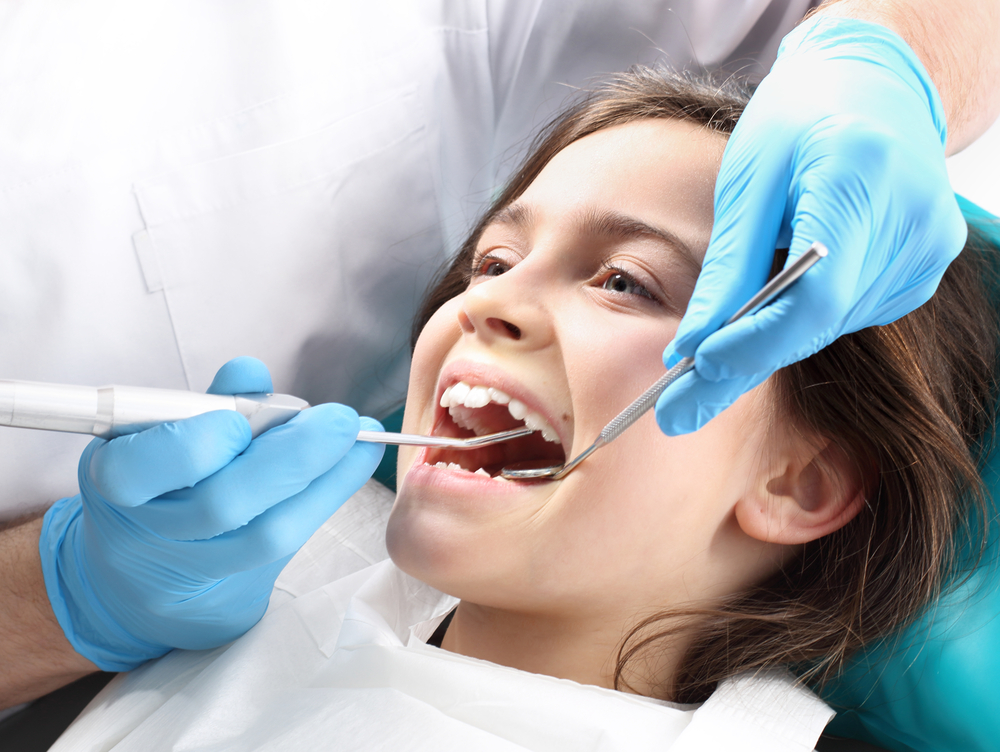
When a child injures a tooth, parents and caregivers need to make quick decisions. A tooth may become loose after a fall, a piece of enamel may break, or the gums may swell around an injured area. Even when a child seems comfortable, some dental injuries require prompt professional evaluation.
The first step is to assess whether the child has other injuries and then contact an appropriate dental professional. A baby tooth and a permanent tooth may require different approaches, so avoid trying to reposition or remove an injured tooth yourself.
Emergency Dental Spokane helps families locate licensed dental providers through its appointment-coordination service. If your child needs urgent dental attention in Spokane, Spokane Valley, Liberty Lake, or a nearby community, call (509) 408-3865 for assistance.
Which Dental Problems in Children Need Urgent Attention?
Children can experience dental injuries at different stages of development. Some affect only the outer surface of a tooth, while others involve the tooth's supporting tissues or the surrounding jaw.
Contact a dental professional promptly if your child has:
A permanent tooth that has been knocked out or displaced.
A baby tooth that has become unusually loose after an injury.
A chipped, cracked, or broken tooth.
Bleeding around a tooth that does not settle with appropriate first aid.
Swelling around the gums following an injury.
A tooth that appears to have moved into the gum or changed position.
Difficulty biting normally after an impact to the mouth.
A child may not be able to describe the extent of an injury clearly. Watch for refusal to eat, unusual irritability, sensitivity around the mouth, or reluctance to let you examine the area.
If the child has a serious head injury, loss of consciousness, uncontrolled bleeding, or difficulty breathing, seek emergency medical assistance. Call 911 when appropriate.
Do not reinsert a knocked-out baby tooth. If a permanent tooth has been knocked out, contact a dental professional immediately for specific instructions because time-sensitive care may improve the chance of saving it.
What Could Cause a Dental Injury in a Child?
Several types of incidents and dental conditions can produce similar signs. The exact nature of an injury cannot be determined by appearance alone.
1. Falls and accidental impacts
A fall while walking, running, or playing may cause a tooth to chip, loosen, or shift position. The surrounding gums and supporting structures may also be affected.
2. Biting hard objects or foods
Biting a hard object or food can damage weakened enamel or cause a fracture. The size of the visible chip does not always reveal how deeply the tooth has been affected.
3. Tooth decay or weakened tooth structure
A tooth weakened by decay may be more susceptible to breaking during ordinary chewing. A child may have an underlying cavity even when the visible damage seems relatively minor.
4. Infection around a tooth
Swelling around a child's tooth may be associated with an infection, gum inflammation, or another condition. Fever, facial swelling, or worsening symptoms should not be dismissed as a routine teething issue without appropriate assessment.
A dental professional can examine the affected tooth and surrounding tissues and determine whether imaging or additional evaluation is needed.
What Should Parents Do Before the Dental Appointment?
Your immediate priorities are to keep your child safe, protect the injured area, and arrange appropriate care.
Consider these general steps:
Stay calm and reassure your child. A calm response can help you gather information and make it easier for the child to cooperate.
Check for other injuries. If you suspect a head, jaw, or facial injury, seek appropriate medical assessment.
Control minor bleeding carefully. If appropriate, apply gentle pressure with clean gauze to the bleeding soft tissue. Do not force pressure onto a displaced or severely injured tooth.
Protect a damaged tooth. Avoid chewing on the affected side and choose soft foods until the child receives professional guidance.
Save any broken tooth fragment. Place it in a clean container and bring it to the dental appointment.
Contact a dental professional promptly. Explain the child's age, whether the tooth is a baby tooth or permanent tooth if known, and how the injury occurred.
If a permanent tooth has been knocked out, handle it by the crown rather than the root. Keep it moist and ask the dental professional for immediate instructions. Do not attempt to reinsert a baby tooth.
Avoid applying household adhesives, using sharp objects, or attempting to move a displaced tooth back into position.
What Treatments Might a Dentist Recommend for a Child's Injured Tooth?
Treatment depends on the child's age, the type of tooth involved, the extent of the injury, and whether the surrounding tissues have been damaged.
Possible approaches include:
1. Examination and monitoring: A dentist may assess the tooth, check its stability, and recommend follow-up visits to monitor healing. Some injuries require observation rather than immediate restorative treatment.
2. Repair of a chipped or broken tooth: Depending on the damage, a dentist may smooth a rough edge, apply bonding material, or recommend another restoration to protect the tooth.
3. Stabilization of an injured permanent tooth: When appropriate, a dentist may reposition a displaced tooth and use a splint to stabilize it while the supporting tissues heal.
4. Treatment of the inner tooth tissues: If an injury affects the pulp, the dentist may recommend specialized treatment depending on the tooth's development and the extent of the damage.
5. Extraction when necessary: If a tooth cannot be preserved safely, removal may be considered. The dentist will weigh the child's age, the tooth's role in development, and the condition of the surrounding structures.
These are possible options, not guaranteed treatments. A dentist must assess the individual injury before deciding on the appropriate plan.
Where Can Families Find Emergency Dental Care in Spokane?
When a child has a dental injury, families may need help locating a provider who can assess the situation promptly.
Emergency Dental Spokane offers phone-based appointment coordination to help callers locate licensed dental providers according to availability.
The website lists coverage in:
Spokane
Spokane Valley
Liberty Lake
Airway Heights
Cheney
Medical Lake
Mead and Colbert
Deer Park
When calling, explain the child's age, which tooth is affected, when the injury occurred, and whether there is bleeding, swelling, or a change in tooth position. Mention any medical concerns that could affect the urgency of care.
Call (509) 408-3865 for assistance finding an appropriate dental provider. The service can help identify appointment options, but the individual clinic determines its availability and treatment capabilities.
Get Prompt Help for Your Child's Dental Emergency
A child's dental injury can affect a baby tooth, a developing permanent tooth, or the surrounding tissues. The appropriate response depends on the injury, and delaying assessment may limit available treatment options.
If your child has a broken, displaced, or otherwise injured tooth, contact a qualified dental professional for guidance. If there are signs of a serious medical emergency, seek emergency medical care immediately.
For families in Spokane, Spokane Valley, Liberty Lake, Cheney, and nearby communities, Emergency Dental Spokane can help locate available dental providers.
Call (509) 408-3865 for assistance finding urgent dental care for your child.
Disclaimer: This article provides general information only and should not be construed as professional medical or dental advice, diagnosis, or treatment. Always consult with a licensed dentist or healthcare provider regarding any dental emergency or medical condition.

Affordable Insurance With Personal Service - Local Agents & Brokers

All Rights Reserved | Washington Earthquake & Flood Insurance
Privacy Policy | Disclaimer Terms & Conditions
Contact Us


