
About | Washington State—Trusted Earthquake & Flood Insurance Providers

About Us
Broker Owner
Earthquake insurance is separately endorsed and can be purchased alongside your standard homeowners/renters policy. This coverage typically excludes damage from floods and tidal waves—even when the flood is related to the earthquake.
Flood insurance is another separate policy offered by many providers. They are specifically designed to protect your home, building contents, and belongings in the event of a flood.
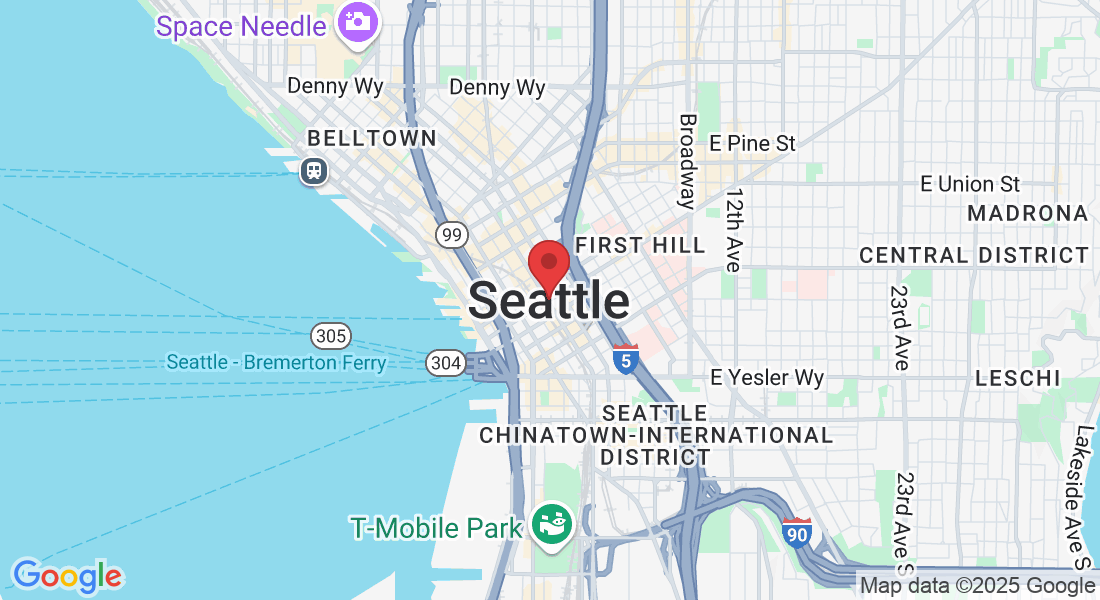
Let our professional agents and brokers help you find the right policy at affordable premiums. We serve the State of Washington, Seattle, Tacoma and the entire Puget Sound. Call Today 206-759-2566 for a quote and save money!
We are happy to serve you!
20 Plus Carriers
Multiple Insurance Carriers & Markets
Having the options to shop the insurance market helps our clients save precious premiums while providing the absolute best coverage available.
50 Years Of Experience
Combined Office Experience Of Over 50 years
With over 50 years of insurance experience. Our office of experienced agents and brokers can help solve your insurance problems.
Business Insurance Experts
We Specialize With Family Owned Business
Small business is truly the lifeblood of this great country and our State. But we have the capacity to work with the largest business's in the State as well. Ask us to design a robust safety protocol for your business.
Flood & Earthquake Insurance Specialists
Call Today For A Quick Quote On All Your Insurance Needs. We Can Help With The Following.
Earthquake Insurance
Flood Insurance
Condominium Insurance
Homeowners Insurance
Renters Insurance
News & Blogs
Life Insurance After a Heart Attack in Idaho | Coverage Options
Life Insurance After a Heart Attack: Finding Coverage Options in Idaho

A heart attack can change the way you think about your health, family, and financial future.
After receiving medical care and beginning the recovery process, you may start reviewing responsibilities that you previously overlooked. One important concern may be whether your family has enough financial protection if something unexpected happens.
Unfortunately, applying for life insurance after a heart attack can feel complicated.
You may have concerns about being declined, paying significantly higher premiums, or being limited to smaller policies.
The good news is that a history of a heart attack does not automatically mean every life insurance option is unavailable.
Insurance companies evaluate applicants individually, and their underwriting guidelines can vary.
For Idaho residents, working with an independent agent who understands impaired-risk life insurance may help identify potential coverage opportunities.
Why a Previous Heart Attack Can Affect Life Insurance Eligibility
Life insurance companies evaluate medical history because certain conditions can influence an applicant's risk classification.
A previous heart attack is an important part of that assessment.
However, insurers generally look beyond the diagnosis itself.
They may consider:
When the heart attack occurred.
The treatment received.
Current medical follow-up.
Whether additional cardiovascular conditions exist.
Whether the applicant has other medical conditions.
Age and overall health.
The specific insurance product being requested.
The time since the event can be especially important.
Some insurance companies may have waiting periods or specific eligibility requirements following a cardiovascular event.
Others may evaluate applicants differently depending on their complete medical history.
There is no universal timeline that guarantees acceptance.
That is why applicants should avoid relying on general online statements about when they can qualify.
What Information Should You Prepare Before Applying?
If you are considering life insurance after a heart attack, organizing your medical and financial information can make the process easier.
You may want to prepare:
Medical history: Information about the date of the event, treatment, and subsequent medical care.
Current medications: A list of medications prescribed by your healthcare providers.
Follow-up information: Details about ongoing care and any additional medical recommendations.
Other health conditions: Information about diabetes, high blood pressure, tobacco use, or other medical concerns.
Coverage goals: An estimate of how much financial protection you want.
Budget: An amount you could reasonably maintain each month.
You should never stop or change prescribed treatment to improve your chances of obtaining life insurance.
Your medical care should remain under the direction of your healthcare professionals.
Three Life Insurance Options to Explore After a Heart Attack
Depending on your circumstances and the insurer's underwriting guidelines, several policy types may be worth discussing.
1. Traditional Term Life Insurance
Term life insurance provides coverage for a specific period, such as 10, 20, or 30 years.
It may be appropriate for people who want to protect a spouse, children, mortgage, or other financial responsibilities.
Some applicants with a history of cardiovascular problems may qualify for term insurance, depending on their health history and the insurer's requirements.
The available premium and coverage amount will depend on underwriting.
2. Simplified Issue Life Insurance
Simplified issue policies generally use health questions rather than requiring a traditional medical examination.
However, a previous heart attack may affect eligibility.
Some policies have strict restrictions concerning cardiovascular history, so applicants should review the health questions carefully.
This option should not be confused with guaranteed approval.
3. Final Expense or Guaranteed Issue Insurance
If traditional coverage is not available, smaller permanent policies may provide another option.
Final expense insurance is designed primarily to help beneficiaries manage funeral expenses and other smaller obligations.
Guaranteed issue coverage may be available to some applicants who cannot qualify for medically underwritten products.
However, these policies can have smaller benefit amounts, higher premiums relative to coverage, and waiting periods or graded benefits.
Understanding the limitations is essential before making a purchase.
What If You Have More Than One Heart-Related or Medical Concern?
A heart attack may not be the only factor in an insurance company's evaluation.
Some applicants also have high blood pressure, diabetes, elevated cholesterol, or other medical conditions.
The combination of these factors can influence the underwriting decision.
For example, an insurer may evaluate an applicant with a heart attack history and diabetes differently from someone whose medical history involves only one condition.
This does not mean the applicant has no options.
It means the insurance search should account for the entire medical profile.
An independent agent can help identify insurers that may be appropriate for a particular situation.
Why Applying to the Right Carrier Matters
Insurance companies have different underwriting guidelines.
A carrier that is restrictive about one medical condition may not evaluate every applicant the same way as another carrier.
That makes strategic carrier selection important.
Chris Antrim is an independent life insurance agent based in Boise with more than 20 years of experience in health and life insurance.
His website highlights impaired-risk underwriting and access to multiple carriers.
The process involves understanding the applicant's circumstances, reviewing possible policy types, and identifying a realistic application approach.
This is particularly valuable for people who have already been declined or who are unsure whether traditional coverage is still possible.
An independent agent cannot guarantee approval or change an insurance company's medical requirements. However, informed carrier selection can help applicants avoid pursuing unsuitable options.
Should You Wait Before Applying for Life Insurance?
The appropriate timing depends on your medical history and the insurance company's eligibility rules.
Some insurers have specific requirements regarding the amount of time that must pass following a heart attack.
Other factors, such as treatment, recovery, and additional medical concerns, may also affect eligibility.
Before submitting an application, ask which insurers may consider your circumstances and what documentation may be required.
If you are not currently eligible for a particular policy, an agent may be able to explain whether another product is worth investigating or whether waiting and reassessing could be appropriate.
Discuss Your Life Insurance Options With Chris Antrim
A heart attack can make financial planning feel more complicated, but it does not mean you should automatically abandon your search for coverage.
The next step is to understand what options may be available based on your actual medical history.
Chris Antrim helps individuals throughout Boise, Meridian, Eagle, Kuna, Star, Nampa, Caldwell, and other Idaho communities explore life insurance with existing health conditions.
Whether you are considering term life, whole life, final expense, or guaranteed issue coverage, an informed discussion can help you understand the differences.
Call or text (425) 761-0555 to discuss your circumstances and explore possible coverage options.
Visit the life insurance for more information.
Your family's financial protection deserves careful consideration, even when your health history makes the insurance process more challenging.

Affordable Insurance With Personal Service - Local Agents & Brokers
All Rights Reserved | Washington Earthquake & Flood Insurance
Privacy Policy | Disclaimer Terms & Conditions
Contact Us


