
About | Washington State—Trusted Earthquake & Flood Insurance Providers
About Us
Broker Owner
Earthquake insurance is separately endorsed and can be purchased alongside your standard homeowners/renters policy. This coverage typically excludes damage from floods and tidal waves—even when the flood is related to the earthquake.
Flood insurance is another separate policy offered by many providers. They are specifically designed to protect your home, building contents, and belongings in the event of a flood.
Let our professional agents and brokers help you find the right policy at affordable premiums. We serve the State of Washington, Seattle, Tacoma and the entire Puget Sound. Call Today 206-759-2566 for a quote and save money!
We are happy to serve you!
20 Plus Carriers
Multiple Insurance Carriers & Markets
Having the options to shop the insurance market helps our clients save precious premiums while providing the absolute best coverage available.
50 Years Of Experience
Combined Office Experience Of Over 50 years
With over 50 years of insurance experience. Our office of experienced agents and brokers can help solve your insurance problems.
Business Insurance Experts
We Specialize With Family Owned Business
Small business is truly the lifeblood of this great country and our State. But we have the capacity to work with the largest business's in the State as well. Ask us to design a robust safety protocol for your business.
Flood & Earthquake Insurance Specialists
Call Today For A Quick Quote On All Your Insurance Needs. We Can Help With The Following.
Earthquake Insurance
Flood Insurance
Condominium Insurance
Homeowners Insurance
Renters Insurance
News & Blogs
Broken Braces Wire in Tulsa? Get Urgent Orthodontic Help
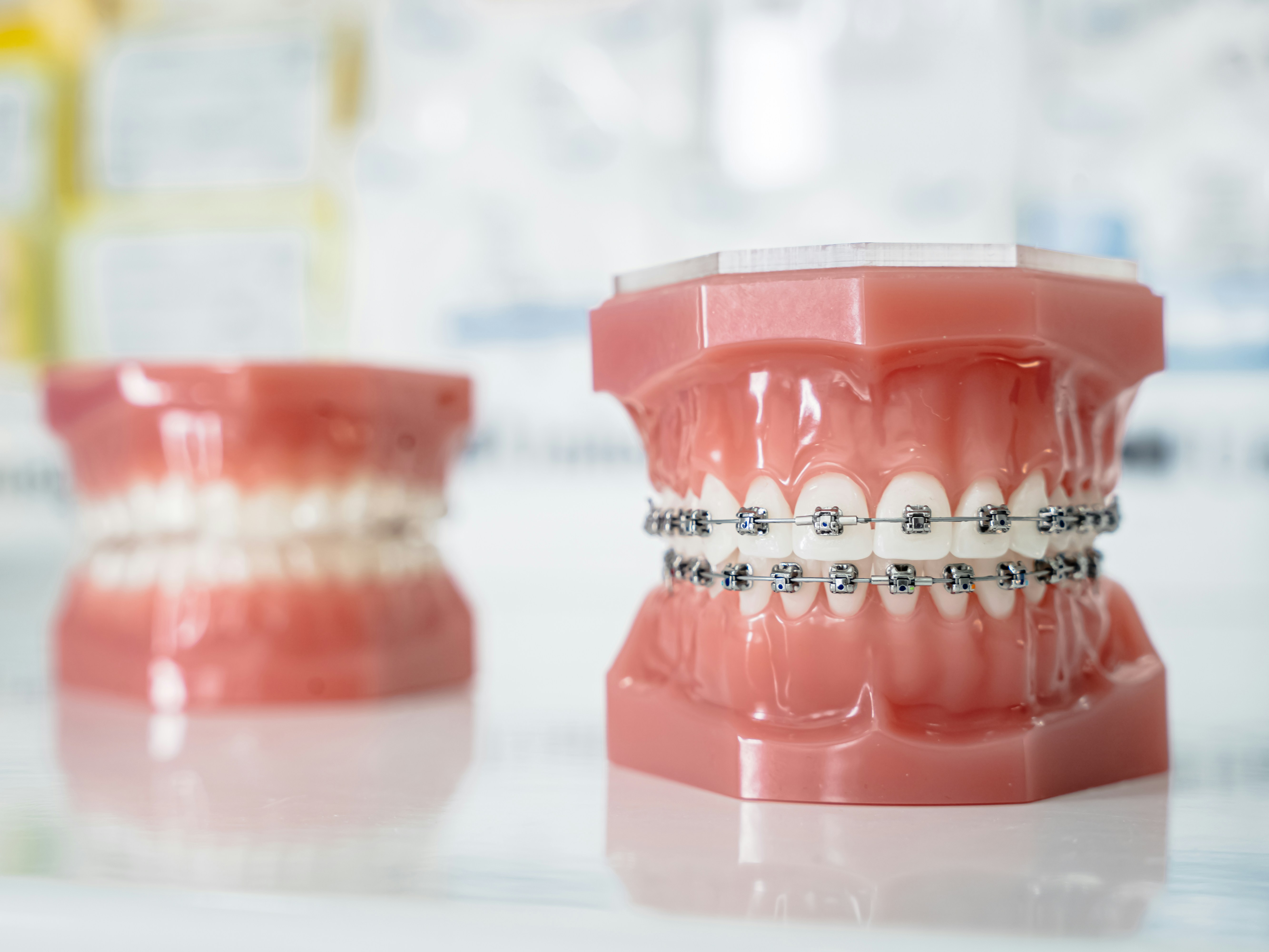
A broken braces wire or detached bracket can turn an ordinary day into an unexpected dental problem. A loose component may rub against the cheek, irritate the tongue, or interfere with normal eating. Even when the problem seems minor, it is important to protect the mouth and determine whether professional repair is needed.
Orthodontic appliances apply controlled forces to move teeth. When a wire or bracket breaks, that system may no longer work as intended. A damaged component can also injure the soft tissues inside the mouth.
If you are dealing with a broken orthodontic appliance in Tulsa, contact your orthodontist or a qualified dental provider for instructions. Emergency Dental Tulsa offers phone-based assistance to help callers locate available dental care.
Call (918) 727-7941 for help finding an appropriate provider.
When Is a Broken Braces Wire an Emergency?
Not every broken bracket requires immediate emergency treatment. However, a wire that is cutting the cheek, a loose component that could be swallowed, or an injury involving significant bleeding deserves prompt attention.
Contact a dental professional if you notice:
A wire protruding into your cheek, lips, or tongue.
A bracket that has detached from a tooth.
A loose band or other appliance component.
A wire that has slipped out of its usual position.
A cut or ulcer developing where the appliance rubs against the mouth.
An appliance that has become unstable after an impact.
If a component is completely loose, avoid swallowing it or allowing a child to play with it. If you suspect that a piece has been inhaled, or you experience breathing difficulties, seek emergency medical assistance.
A wire that feels different does not automatically mean your teeth have been damaged. However, an orthodontic professional can determine whether the appliance needs repair and whether the treatment plan has been affected.
What Can Cause a Bracket or Orthodontic Wire to Break?
Several factors may contribute to orthodontic appliance damage.
1. Eating hard or sticky foods
Hard foods can place excessive pressure on brackets and wires. Sticky foods may pull on components and loosen them from the teeth.
2. Accidental impact
A fall, sports collision, or blow to the mouth can bend a wire, detach a bracket, or injure the surrounding tissues.
3. Normal wear or mechanical stress
Orthodontic components experience repeated forces during treatment. A wire or bracket may loosen or break over time, particularly when an appliance has already been damaged.
4. An appliance that has shifted or become distorted
Changes in wire position, a loose band, or a damaged component may cause the appliance to rub against the mouth or stop fitting as intended.
A professional examination can help determine the extent of the problem. If the damage followed an impact, tell the provider how the injury occurred and whether any teeth feel loose or have changed position.
What Can You Do Until the Appliance Is Repaired?
The immediate goal is to prevent further injury without attempting a complex repair yourself.
Use orthodontic wax: If a wire or bracket is rubbing against the inside of the mouth, orthodontic wax may help cover the irritating area temporarily.
Choose soft foods: Avoid hard, crunchy, or sticky foods that could worsen the damage.
Maintain gentle oral hygiene: Carefully brush around the appliance to remove food debris without pulling on loose components.
Avoid forceful adjustments: Do not bend a wire aggressively or pull a bracket off a tooth.
Contact your orthodontist: Describe the problem and ask whether you need an urgent visit or can safely wait for a scheduled appointment.
If a wire is irritating the tissue, do not cut it unless a qualified dental professional specifically instructs you how to manage the situation safely. Cutting a wire can create a small loose piece that may be swallowed or inhaled.
If the appliance is unstable, avoid playing with it using your tongue or fingers. Repeated manipulation may worsen the damage.
What Treatments Might a Dental Professional Provide?
The appropriate treatment depends on the appliance, the location of the damage, and whether the teeth or surrounding tissues have been injured.
1. Repositioning or replacing a wire
A dentist or orthodontist may reposition a displaced wire, replace a damaged section, or secure it appropriately to restore the appliance's function.
2. Reattaching a bracket
If a bracket has detached but remains suitable for use, the orthodontist may bond it back to the tooth. If it is damaged, replacement may be necessary.
3. Repairing or replacing a band or other component
Loose bands and damaged appliance parts may need professional adjustment or replacement to ensure they remain secure.
4. Treating soft-tissue injuries
If a wire has cut the cheek or tongue, the provider can assess the injury and recommend appropriate care. More significant injuries may require additional treatment.
If the damage affects tooth position or results from facial trauma, the dentist may also assess the teeth and surrounding structures before repairing the appliance.
Do not assume that a bracket can simply be glued back into place at home. Orthodontic materials and positioning require professional handling.
Where Can You Find Urgent Orthodontic Help in Tulsa?
If your regular orthodontist is unavailable, you may need assistance identifying another provider who can assess the problem. Emergency Dental Tulsa advertises phone support and appointment coordination for people seeking urgent dental care.
Its listed service area includes Tulsa, Broken Arrow, Owasso, Jenks, and Bixby.
When calling, explain whether the wire is cutting your mouth, whether a bracket has detached, and whether the problem followed an impact. Also mention if a loose component could be swallowed or if you have a significant soft-tissue injury.
Call (918) 727-7941 for assistance finding an appropriate dental provider. Ask whether the provider can handle orthodontic repairs, as not every emergency dental office offers comprehensive orthodontic services.
Get Your Damaged Braces Checked Promptly
A broken wire or detached bracket may be manageable with temporary precautions, but professional guidance can prevent avoidable injury and help keep orthodontic treatment on track.
Protect the affected area, avoid hard foods, and do not attempt permanent repairs with household tools or adhesives.
If you are in Tulsa, Broken Arrow, Owasso, Jenks, or Bixby, contact Emergency Dental Tulsa for help locating an available provider.
Call (918) 727-7941 for appointment assistance. If you experience breathing difficulties or another serious medical emergency, seek emergency medical care immediately.
Disclaimer: This article provides general information only and should not be construed as professional medical or dental advice, diagnosis, or treatment. Always consult with a licensed dentist or healthcare provider regarding any dental emergency or medical condition.

Affordable Insurance With Personal Service - Local Agents & Brokers
All Rights Reserved | Washington Earthquake & Flood Insurance
Privacy Policy | Disclaimer Terms & Conditions
Contact Us


